
Genetic Engineering Human Future Ethical Scientific Implications
Genetic Engineering: Shaping the Human Future with Ethical and Scientific Implications
Genetic engineering, a cornerstone of modern biotechnology, represents humanity's most profound endeavor to understand, modify, and potentially redefine life itself. This field, encompassing techniques to directly manipulate an organism's genes, holds immense promise for treating diseases, enhancing human capabilities, and even altering the trajectory of evolution. From the early days of recombinant DNA technology to the revolutionary advent of CRISPR-Cas9, our ability to precisely edit the blueprint of life has advanced at an astonishing pace, ushering in what many call the "genomic revolution."
The implications of this revolution extend far beyond the laboratory, touching upon fundamental questions of ethics, identity, and the very future of the human species. As we stand at the precipice of unprecedented biological control, it becomes imperative to explore both the scientific marvels and the complex moral landscapes that genetic engineering presents. This article aims to provide an introductory yet comprehensive overview of this transformative field, its potential to reshape human health and existence, and the critical ethical considerations that must guide its responsible development.
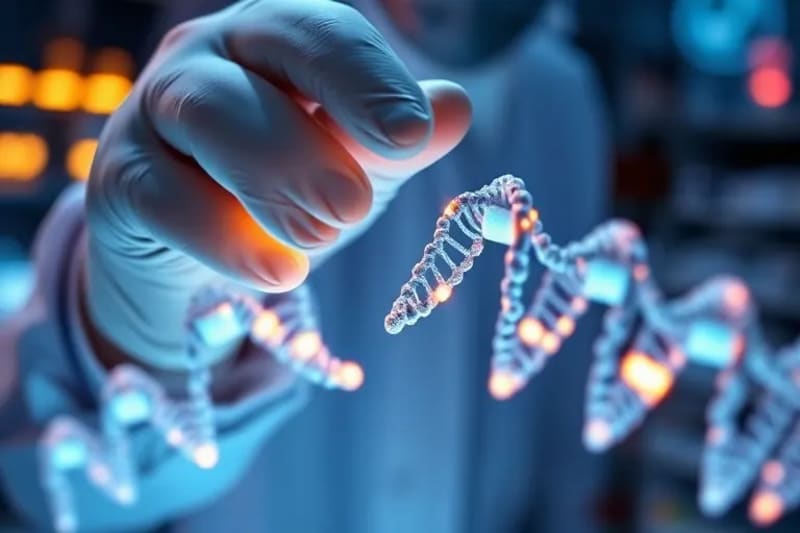 Precursors intellectuales, diagramas fundamentales y representaciones conceptuales que forjaron la visión de la ingeniería genética sobre el futuro humano.
Fuente visual sujeta a disponibilidad del ecosistema: Wikimedia Commons bajo licencia CC BY-SA 4.0 o renderizado conceptual IA.
Table of Contents
- The Genomic Revolution: A Brief History and Key Technologies
- Therapeutic Applications: Eradicating Disease
- Human Enhancement: Beyond Therapy
- The Rise of Biohacking and DIY Biology
- Profound Ethical Dilemmas and Societal Impact
- Regulatory Frameworks and Public Discourse
- The Future Trajectory: Responsible Innovation
The Genomic Revolution: A Brief History and Key Technologies
The journey into genetic engineering began in the 1970s with the development of recombinant DNA technology, allowing scientists to cut and paste DNA fragments from different organisms. This foundational breakthrough paved the way for manipulating genes with increasing precision. Early applications focused on producing therapeutic proteins like insulin and growth hormone, marking the first tangible benefits of this nascent field.
The true acceleration of the genomic revolution, however, arrived with the discovery and refinement of gene-editing tools. Zinc finger nucleases (ZFNs) and transcription activator-like effector nucleases (TALENs) offered more targeted approaches, but it was the advent of CRISPR-Cas9 (Clustered Regularly Interspaced Short Palindromic Repeats and CRISPR-associated protein 9) in the early 2010s that truly democratized gene editing. CRISPR-Cas9, a bacterial immune system adapted for laboratory use, allows for unprecedented accuracy and ease in modifying DNA sequences, making it possible to target specific genes with remarkable efficiency.
Beyond CRISPR, synthetic biology has emerged as a complementary field, focusing on designing and constructing new biological parts, devices, and systems, or redesigning existing natural biological systems. This includes creating synthetic genes, entire genomes, and even novel organisms with tailored functions. These technological advancements collectively empower scientists to not only read the genetic code but also to rewrite it, opening vast possibilities for both medicine and fundamental biological understanding.
Therapeutic Applications: Eradicating Disease
One of the most compelling promises of genetic engineering lies in its potential to cure or prevent a myriad of human diseases. Gene therapy, which involves introducing genetic material into a person's cells to replace faulty genes or add new ones, has already shown success in treating certain genetic disorders. Conditions like severe combined immunodeficiency (SCID), Leber congenital amaurosis (a form of blindness), and spinal muscular atrophy (SMA) are now being addressed with gene-editing techniques, offering hope where none existed before.
The application of genetic engineering extends to complex diseases as well. Researchers are exploring gene editing to combat cancer by engineering immune cells to better target tumors, an approach known as CAR T-cell therapy. Similarly, efforts are underway to use gene editing to modify cells in individuals with HIV to make them resistant to the virus. For chronic conditions such as cystic fibrosis, Huntington's disease, and even cardiovascular diseases, genetic interventions hold the potential to correct underlying genetic defects, offering long-term solutions rather than just symptom management. The ongoing research into AI in cancer diagnosis further complements these genetic approaches, promising a future where early detection and precise genetic therapies work hand-in-hand.
Beyond direct therapeutic interventions, genetic engineering is also revolutionizing drug discovery and vaccine development. By understanding the genetic basis of diseases, scientists can design more effective drugs and tailor treatments to an individual's unique genetic makeup, leading to the era of personalized medicine. This precision approach minimizes side effects and maximizes efficacy, transforming the landscape of healthcare.
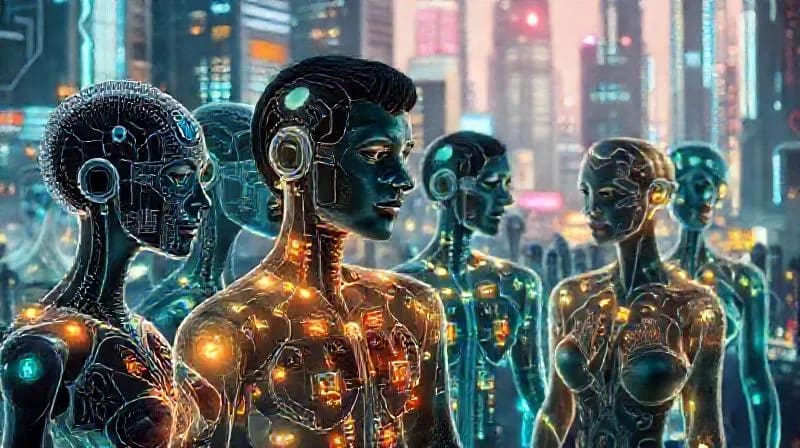 A vision of a future society where genetic advancements lead to enhanced human capabilities and harmonious coexistence.
Human Enhancement: Beyond Therapy
While the therapeutic applications of genetic engineering are widely embraced, the prospect of human enhancement raises a distinct set of questions. This involves using genetic technologies not to treat disease, but to improve traits considered "normal" or to bestow new capabilities. Examples include enhancing physical strength, boosting cognitive function, improving sensory perception, or extending lifespan significantly.
The concept of "designer babies," where parents could select for specific genetic traits in their offspring, is a prominent and controversial aspect of human enhancement. While currently limited by technological and ethical barriers, the potential for such interventions sparks intense debate about genetic discrimination, social inequality, and the very definition of what it means to be human. The line between therapy (treating disease) and enhancement (improving beyond normal) is often blurry and subject to societal interpretation, making it a complex area for ethical and regulatory navigation.
The pursuit of radical life extension through genetic means also falls under the umbrella of enhancement. By targeting genes associated with aging and cellular repair, scientists hope to slow down or even reverse the aging process. This endeavor, while promising to alleviate age-related suffering, also brings forth discussions about resource allocation, population dynamics, and the psychological impact of extended lifespans. The philosophical implications of modifying human nature are vast, prompting reflections on destiny and free will, much like discussions around Hellenistic profections and karmic lunar nodes delve into predetermined life paths versus individual agency.
The Rise of Biohacking and DIY Biology
Parallel to institutional scientific research, a burgeoning movement known as "biohacking" or "DIY biology" has emerged. Biohackers are individuals who engage in biological experimentation outside traditional labs, often on themselves, with the goal of improving their own biology, performance, or health. This can range from simple dietary changes and supplement regimens to more advanced interventions like genetic self-experimentation or implanting technological devices.
While some biohacking practices are relatively benign, the intersection with genetic engineering raises significant concerns. The accessibility of gene-editing tools, particularly CRISPR kits, has led to a subset of biohackers attempting to modify their own genes or those of others without professional oversight or rigorous safety protocols. This "garage biology" approach, while driven by a spirit of innovation and personal autonomy, poses considerable risks, including unintended genetic mutations, immune reactions, and unpredictable long-term health consequences.
The biohacking movement highlights a tension between individual freedom and public safety, pushing the boundaries of what is considered acceptable and responsible scientific practice. It underscores the need for robust public education, clear ethical guidelines, and accessible, regulated pathways for individuals interested in exploring their own biology. For a deeper dive into this fascinating intersection, exploring precision biohacking with AI, genomics, and wearables offers further insights into the future of self-optimization.
 The intricate balance between scientific progress in genetic engineering and the profound ethical considerations it entails.
Profound Ethical Dilemmas and Societal Impact
The ethical landscape of genetic engineering is multifaceted and deeply challenging. Beyond the therapy-enhancement debate, several key concerns demand careful consideration:
- Germline Editing: Modifying genes in sperm, egg, or early embryos (germline editing) means these changes would be heritable, passed down to future generations. This raises fundamental questions about altering the human gene pool and the potential for unforeseen, irreversible consequences.
- Equity and Access: If genetic therapies and enhancements become available, who will have access to them? There is a significant risk of exacerbating existing health disparities and creating a "genetically privileged" class, leading to profound social stratification.
- Human Identity and Dignity: What happens to our understanding of human nature if we can design our offspring or significantly alter our own biological makeup? Concerns about commodification of life, loss of genetic diversity, and the erosion of human dignity are frequently raised. These discussions often mirror philosophical inquiries into artificial consciousness and its ethical implications, probing the essence of being.
- Unintended Consequences: Despite the precision of tools like CRISPR, off-target edits and mosaicism (where not all cells are modified) remain potential risks. The long-term effects of genetic modifications, particularly on complex traits and ecological interactions, are still largely unknown.
- Eugenics: The historical misuse of genetic knowledge in eugenics movements serves as a stark warning. The potential for genetic engineering to be co-opted for discriminatory or oppressive purposes is a constant ethical concern that requires vigilance.
These ethical considerations are not merely academic; they have tangible societal impacts, influencing public perception, policy decisions, and the direction of scientific funding. Engaging in open and informed public discourse is crucial to navigating these complex issues responsibly.
Regulatory Frameworks and Public Discourse
Given the profound implications of genetic engineering, robust regulatory frameworks are essential to ensure its safe and ethical development. Currently, regulations vary significantly across countries, with some nations having stricter prohibitions on germline editing than others. International collaboration is vital to establish common standards and prevent "ethics shopping," where researchers might seek out countries with more permissive laws.
Key regulatory bodies, such as the Food and Drug Administration (FDA) in the United States and the European Medicines Agency (EMA) in Europe, play a critical role in overseeing the clinical trials and approval of gene therapies. However, the rapid pace of technological advancement often outstrips the ability of regulatory bodies to adapt, creating a constant challenge to balance innovation with safety and ethical oversight.
Public engagement and education are equally important. Informed public discourse, involving scientists, ethicists, policymakers, and the general public, is necessary to shape societal values and preferences regarding genetic technologies. Transparency in research, clear communication about risks and benefits, and mechanisms for public input are crucial for building trust and ensuring that these powerful tools are developed in a manner consistent with shared human values.
The Future Trajectory: Responsible Innovation
The future of human genetic engineering is undoubtedly one of immense potential and profound responsibility. As our understanding of the human genome deepens and gene-editing technologies become even more precise and accessible, the ability to prevent and cure diseases will continue to expand. Innovations in personalized medicine, driven by genomic insights, promise to revolutionize healthcare, making treatments more effective and tailored to individual needs.
However, the journey forward must be guided by a steadfast commitment to ethical principles. This includes prioritizing therapeutic applications over enhancements, ensuring equitable access to these technologies, and fostering a global dialogue about the long-term societal implications of altering the human germline. The scientific community has a moral imperative to proceed with caution, humility, and a deep respect for human dignity and diversity.
Ultimately, the genomic revolution offers humanity an unprecedented opportunity to improve health and well-being. By embracing responsible innovation, engaging in thoughtful ethical deliberation, and establishing robust governance frameworks, we can harness the power of genetic engineering to build a healthier, more equitable, and sustainable future for all.
Related Insights & Further Reading
- Space Law Extraterrestrial Resources: New Legal Frontier - Explore the legal implications of new frontiers.
- Biomimicry Engineering: Nature-Inspired Design - Discover how nature inspires advanced engineering solutions.
- Certified Green Bonds: Sustainable Investment Climate Impact - Understand ethical investment in a changing world.
- Biblical Prophecies Artificial Intelligence Times Signals Singularity - Reflect on the intersection of technology and ancient wisdom.
- Astrology Money Fortune Abundance: Cosmic Influence Finance - Consider different perspectives on human destiny and well-being.
Source: Hybrid content assisted by AI and human editorial supervision.


Comentarios