
Circular Business Models SMEs Digitalization Green Growth
In an era defined by environmental urgency and rapid technological advancement, Small and Medium-sized Enterprises (SMEs) are at a pivotal crossroads. The traditional linear economic model of "take-make-dispose" is increasingly unsustainable, both ecologically and economically. This has paved the way for the circular economy, a transformative approach designed to keep resources in use for as long as possible, extract the maximum value from them whilst in use, then recover and regenerate products and materials at the end of each service life.
For SMEs, embracing circular business models is not just an ethical choice but a strategic imperative for accelerated growth and resilience within the burgeoning green economy. Digitalization acts as a powerful catalyst, enabling these businesses to implement circular strategies more efficiently, scale their impact, and unlock new revenue streams. This comprehensive guide explores how SMEs can leverage circular principles and digital tools to thrive in a sustainable future.
Table of Contents
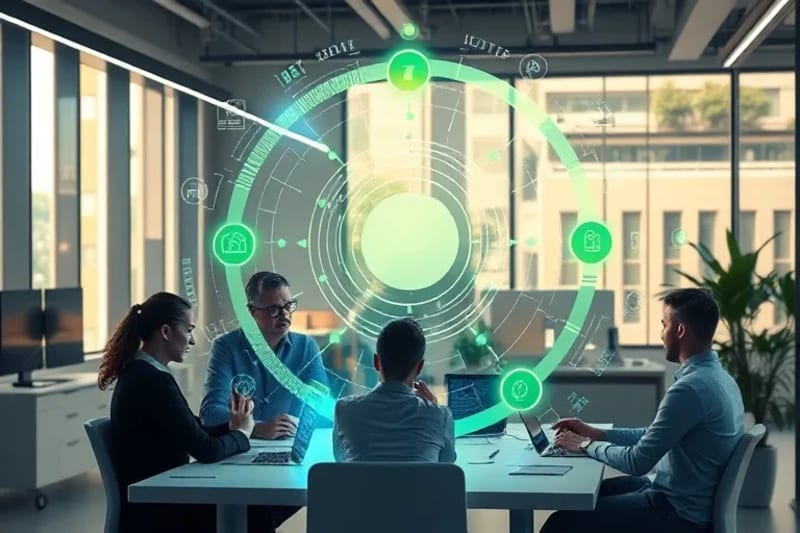
Collaboration and technology are key drivers for SMEs adopting circular business models, fostering innovation and sustainable growth.
What Are Circular Business Models?
At its core, a circular economy is restorative and regenerative by design. It aims to decouple economic growth from the consumption of finite resources. Unlike the linear model, which follows a path from resource extraction to product creation, consumption, and eventual disposal, the circular model emphasizes continuous loops of use and reuse. This paradigm shift offers significant advantages for SMEs, including reduced operational costs, enhanced brand reputation, and increased resilience against supply chain disruptions.
The fundamental principles guiding circular business models are often summarized as the "3 Rs" extended to "9 Rs":
Rethink: Re-evaluate the entire business model and product design from a circular perspective.
Refuse: Eliminate harmful or unnecessary materials and practices.
Reduce: Minimize the consumption of raw materials and energy.
Reuse: Extend the lifespan of products and components through direct reuse.
Repair: Fix broken products to restore functionality.
Refurbish: Restore older products to a good as new condition.
Remanufacture: Use components from discarded products in new ones.
Recycle: Process waste materials into new products.
Recover: Extract energy from waste when other options are not viable.
By integrating these principles, SMEs can create more resilient value chains, reduce their environmental footprint, and appeal to a growing market of environmentally conscious consumers. This shift also encourages innovation in product design, service delivery, and operational efficiency.
Key Circular Business Models for SMEs
SMEs have a variety of circular business models they can adopt, depending on their industry, products, and services. Each model offers unique opportunities for value creation and sustainability:
Product-as-a-Service (PaaS): Instead of selling products, businesses lease them to customers, retaining ownership and responsibility for maintenance, repair, and end-of-life management. This encourages durable design and resource efficiency. Examples include tool rental services or leased office equipment.
Resource Recovery & Recycling: This model focuses on collecting, processing, and reintroducing waste materials back into the production cycle. SMEs can specialize in specific material streams or develop innovative recycling technologies. This also includes upcycling, where waste materials are transformed into higher-value products.
Extension of Product Lifespan: Businesses offer services that prolong the life of products, such as repair shops, refurbishment services, or upgrades. This directly counters planned obsolescence and builds customer loyalty through extended product utility.
Sharing Platforms: SMEs can facilitate the sharing of underutilized assets, from tools and vehicles to office spaces. This model maximizes asset utilization and reduces the need for individual ownership, promoting community and efficiency.
Waste-to-Value: This model transforms what would otherwise be considered waste into valuable resources or new products. For instance, a food business might convert organic waste into compost or bioenergy, creating new revenue streams from by-products.
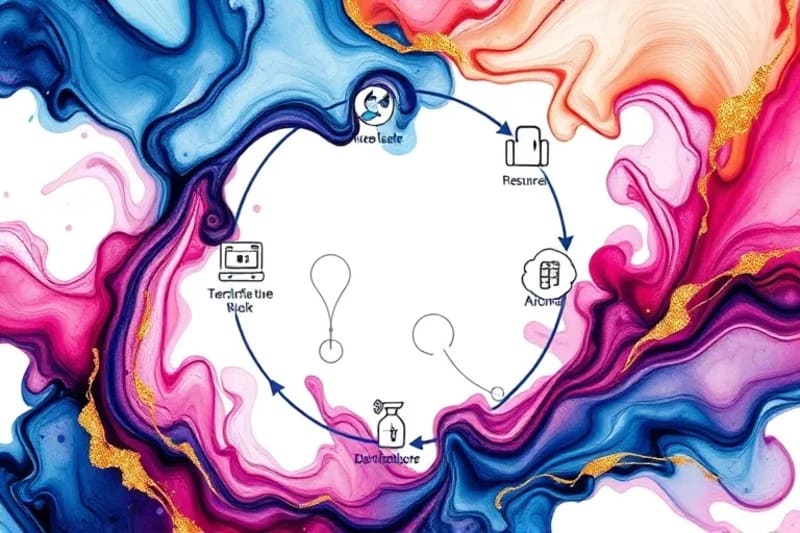
Digital tools streamline the circular product lifecycle, from design to end-of-life, ensuring resources remain in use.
Each of these models can be tailored to specific business contexts, offering SMEs flexible pathways to integrate circularity into their operations. The key is to identify which model best aligns with their core competencies and market opportunities, while also considering how digitalization can enhance their implementation.
The Role of Digitalization in Circularity
Digitalization is not merely an enabler but a fundamental pillar for the successful adoption and scaling of circular business models, especially for SMEs. It provides the tools necessary to manage complex resource flows, optimize processes, and connect with customers and partners in new ways. The integration of advanced technologies can transform how SMEs approach sustainability.
Key digital technologies supporting circularity include:
Data Analytics and AI: These tools can analyze vast amounts of data to identify patterns in resource consumption, predict maintenance needs, optimize logistics for collection and redistribution, and even design more sustainable products. For instance, AI can help in predicting the lifespan of components, facilitating timely repair or remanufacturing.
Internet of Things (IoT): IoT sensors can track products throughout their lifecycle, providing real-time data on usage, condition, and location. This is crucial for PaaS models, enabling proactive maintenance and efficient retrieval of products for refurbishment or recycling. IoT also plays a role in monitoring environmental impact, such as air quality, which aligns with broader sustainability goals. More on this can be found in discussions about technologies for monitoring and mitigating air pollution in cities.
Blockchain Technology: Blockchain can provide transparent and immutable records of a product's origin, materials, and journey through the supply chain. This enhances trust, verifies sustainability claims, and facilitates the tracking of recycled content, crucial for circular material flows.
E-commerce and Digital Platforms: Online marketplaces and dedicated platforms enable SMEs to sell refurbished goods, offer product-as-a-service solutions, or facilitate sharing and rental models. These platforms expand reach and simplify transactions for circular offerings.
Digital Twins and Simulation: Creating virtual replicas of products or processes allows SMEs to test circular design concepts, optimize resource use, and predict performance without physical prototyping, saving time and materials.
By integrating these digital tools, SMEs can gain unprecedented visibility into their operations, optimize resource utilization, and foster stronger connections with their customers and supply chain partners. This digital transformation is essential for unlocking the full potential of circularity.
Implementing Circular Models: A Step-by-Step Guide for SMEs
Transitioning to circular business models requires a structured approach. SMEs can follow these steps to effectively integrate circular principles and digitalization:
Assess Current Operations and Value Chain: Begin by understanding your current resource consumption, waste generation, and supply chain dependencies. Identify key areas where circular interventions can have the most impact. This involves mapping material flows and energy use.
Identify Circular Opportunities and Set Goals: Based on the assessment, pinpoint which circular business models (PaaS, resource recovery, etc.) are most feasible and beneficial for your business. Set clear, measurable goals for waste reduction, resource efficiency, and new revenue streams.
Leverage Digital Tools Strategically: Select the digital technologies that best support your chosen circular model. This might involve implementing IoT for asset tracking, data analytics for process optimization, or developing an e-commerce platform for circular offerings. Consider how AI and ethical environmental solutions can enhance your strategy.
Redesign Products and Processes: Adapt product designs for durability, modularity, repairability, and recyclability. Re-engineer processes to minimize waste, use renewable energy, and integrate recovered materials. This often involves collaborating with suppliers and designers.
Engage Stakeholders and Build Partnerships: Collaborate with suppliers, customers, and even competitors to create circular ecosystems. Partnerships can facilitate resource sharing, collection systems, and market development for circular products and services.
Measure, Monitor, and Adapt: Continuously track your progress against established goals using relevant metrics (e.g., waste diverted, recycled content, CO2 emissions reduced). Use data to refine your strategies, identify new opportunities, and adapt to changing market conditions. This iterative process is key to long-term success.
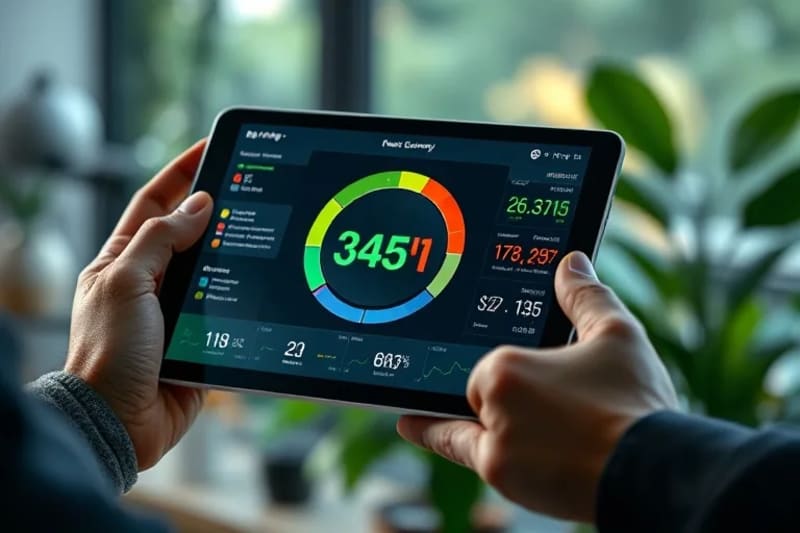
Real-time data and digital dashboards empower SMEs to track and optimize their circular economy initiatives.
Challenges and Solutions for SMEs
While the benefits are substantial, SMEs may face several challenges when transitioning to circular models:
Initial Investment: Implementing new technologies, redesigning products, or setting up collection systems can require upfront capital. Solutions include seeking green financing, grants, and government incentives, or starting with pilot projects to demonstrate ROI.
Lack of Expertise: SMEs might lack the internal knowledge in circular design, sustainable supply chain management, or specific digital tools. Solutions involve training existing staff, hiring specialized consultants, or collaborating with academic institutions and industry experts. Developing adaptive digital leadership skills is crucial here.
Supply Chain Complexities: Shifting to circular inputs or establishing reverse logistics can be challenging. Solutions include building strong relationships with suppliers committed to sustainability, exploring local sourcing, and partnering with logistics providers specializing in circular flows.
Consumer Behavior: Shifting consumer perceptions from ownership to access (e.g., PaaS) or encouraging the purchase of recycled/refurbished goods requires effective communication and marketing. Solutions involve educating customers on the benefits, offering competitive pricing, and building trust in circular products and services.
Regulatory and Policy Landscape: Navigating evolving environmental regulations and standards can be complex. Solutions include staying informed through industry associations, engaging with policymakers, and proactively adopting best practices that anticipate future regulations.
Addressing these challenges proactively with strategic planning and collaborative efforts can significantly smooth the transition for SMEs.
Accelerated Growth in the Green Economy
The green economy represents a significant growth opportunity, and SMEs adopting circular business models are uniquely positioned to capitalize on it. This acceleration is driven by several factors:
Increasing Consumer Demand: A growing segment of consumers prioritizes sustainability, ethical production, and environmental responsibility. SMEs offering circular products and services can tap into this expanding market, building brand loyalty and attracting new customers.
Policy and Regulatory Support: Governments worldwide are implementing policies to promote circularity, offering incentives, grants, and favorable regulations for businesses that embrace sustainable practices. This creates a supportive ecosystem for circular SMEs.
Resource Scarcity and Price Volatility: By reducing reliance on virgin materials and creating closed-loop systems, circular SMEs become less vulnerable to fluctuations in raw material prices and supply chain disruptions, leading to greater economic stability and predictability.
Innovation and Competitive Advantage: The circular economy fosters innovation in product design, process optimization, and service delivery. SMEs that lead in these areas can gain a significant competitive advantage, differentiating themselves in crowded markets and attracting investment.
New Revenue Streams: Circular models often unlock new revenue opportunities from services (e.g., repair, rental), by-products (waste-to-value), and extended product lifecycles, diversifying income sources and enhancing profitability.
For SMEs, embracing circularity and digitalization is not just about compliance or corporate social responsibility; it is a powerful strategy for long-term economic growth, innovation, and market leadership in the evolving global economy.
Conclusion
The transition to a circular economy is an undeniable global trend, and SMEs are crucial drivers of this transformation. By adopting circular business models, powered by strategic digitalization, these enterprises can unlock immense value, from cost savings and enhanced brand reputation to new revenue streams and increased resilience. The green economy offers fertile ground for growth, and those SMEs that proactively integrate circular principles into their core operations will be best positioned to thrive.
The journey requires vision, adaptation, and a willingness to innovate, but the rewards—both economic and environmental—are substantial. By embracing circularity and leveraging digital tools, SMEs can not only secure their own future but also contribute significantly to a more sustainable and prosperous world for all.
Source: Hybrid content assisted by AI and human editorial supervision.


Comentarios