
Neuro-rights AI Era Protecting Digital Consciousness
Neuro-rights in the AI Era: Protecting Digital Consciousness
The rapid advancement of artificial intelligence (AI) and neurotechnology is ushering in an era where the human mind, once considered an inviolable sanctuary, is becoming increasingly accessible and manipulable. This unprecedented development has given rise to the urgent need for a new set of human rights: neuro-rights. These rights aim to protect the fundamental aspects of human consciousness, identity, and free will in a world where brain-computer interfaces (BCIs), neuro-imaging, and AI algorithms can decode, influence, and even alter our mental states.
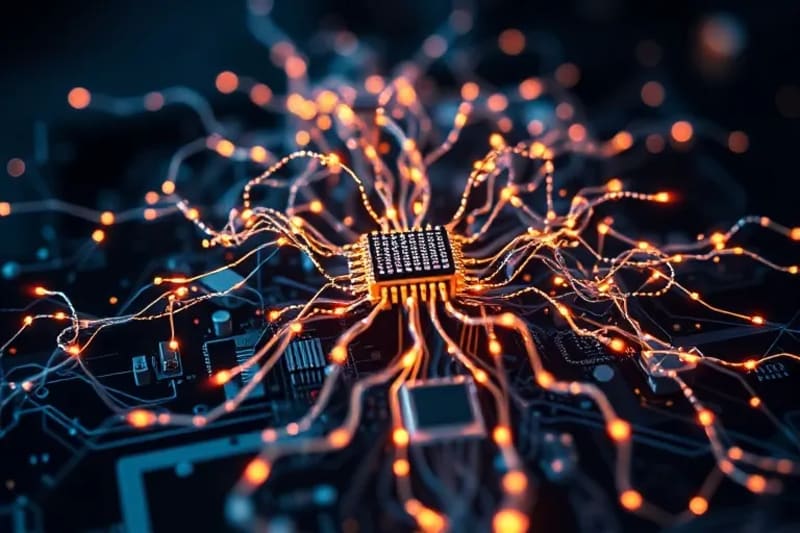
Precursors, conceptual frameworks, and abstract representations that forged the vision of neuro-rights in the AI era.
Fuente visual sujeta a disponibilidad del ecosistema: Wikimedia Commons bajo licencia CC BY-SA 4.0 o renderizado conceptual IA.
The concept of neuro-rights is not merely a philosophical exercise; it is a pragmatic response to the tangible ethical and legal challenges posed by emerging technologies. As AI systems become more sophisticated in interpreting and interacting with neural data, the boundaries between human thought and digital information blur, necessitating robust protections for our cognitive liberty.
Table of Contents
- Introduction to Neuro-rights
- Historical and Philosophical Underpinnings
- The Five Core Neuro-rights
- AI and Neurotechnology: Opportunities and Threats
- Developing Legal and Ethical Frameworks
- Societal Implications and Challenges
- Future Outlook and Recommendations
Introduction to Neuro-rights
Neuro-rights are a set of proposed human rights designed to safeguard the human brain and its output from the potential misuse of neurotechnology and artificial intelligence. These rights are emerging as a crucial legal and ethical frontier, aiming to protect the integrity of the human mind in an increasingly interconnected and technologically advanced world. They address concerns ranging from mental privacy to the preservation of free will, ensuring that individuals retain ultimate control over their cognitive processes.
The urgency for establishing neuro-rights stems from the rapid progress in brain-computer interfaces (BCIs), neuro-imaging techniques, and AI algorithms capable of decoding neural activity. These technologies hold immense promise for treating neurological disorders, enhancing cognitive abilities, and revolutionizing human-computer interaction. However, they also present significant risks, including the potential for unauthorized access to mental data, manipulation of thought processes, and the erosion of individual autonomy. Understanding these rights is paramount for navigating the complex ethical landscape of the 21st century.
Historical and Philosophical Underpinnings
The philosophical roots of neuro-rights can be traced back to fundamental concepts of human liberty, privacy, and bodily integrity. Historically, the mind has been considered the last bastion of individual freedom, a private realm impervious to external intrusion. Thinkers from Descartes to Locke have emphasized the importance of individual thought and consciousness as central to human identity and autonomy.
In the modern era, the development of privacy laws and medical ethics has further solidified the principle that individuals have a right to control their personal information and bodily functions. Neuro-rights extend these existing protections to the neural domain, acknowledging that the brain is not just another organ but the very seat of personhood. The ethical discourse surrounding neuro-rights often draws parallels with discussions on genetic privacy and data protection, recognizing the unique sensitivity of neural data.
The Five Core Neuro-rights
While the precise formulation of neuro-rights is still evolving, a consensus is forming around five key principles, largely championed by neuroscientists and ethicists like Rafael Yuste. These rights are designed to address the most pressing ethical challenges posed by neurotechnology and AI.
- Right to Mental Privacy: This right protects individuals from unauthorized access to their brain data, preventing the decoding of thoughts, emotions, and memories without explicit consent. It ensures that neural information, which can reveal deeply personal aspects of an individual, remains private.
- Right to Personal Identity: As neurotechnologies can alter brain activity and potentially influence personality, this right seeks to protect the integrity of an individual's sense of self. It ensures that technology does not undermine or arbitrarily change a person's identity without their conscious choice.
- Right to Free Will: This right safeguards an individual's capacity for autonomous decision-making from external manipulation. It prohibits technologies that could coerce, influence, or control a person's choices by directly interfering with their neural processes.
- Right to Access to Augmentation: This principle addresses the equitable distribution of neuro-enhancement technologies. It aims to prevent a "neuro-divide" where only a privileged few can access cognitive enhancements, potentially exacerbating social inequalities.
- Right to Protection from Algorithmic Bias: Neurotechnologies, particularly when integrated with AI, can reflect and amplify biases present in their training data. This right ensures that neuro-technological applications are developed and used in a way that avoids discrimination based on race, gender, socioeconomic status, or other factors.
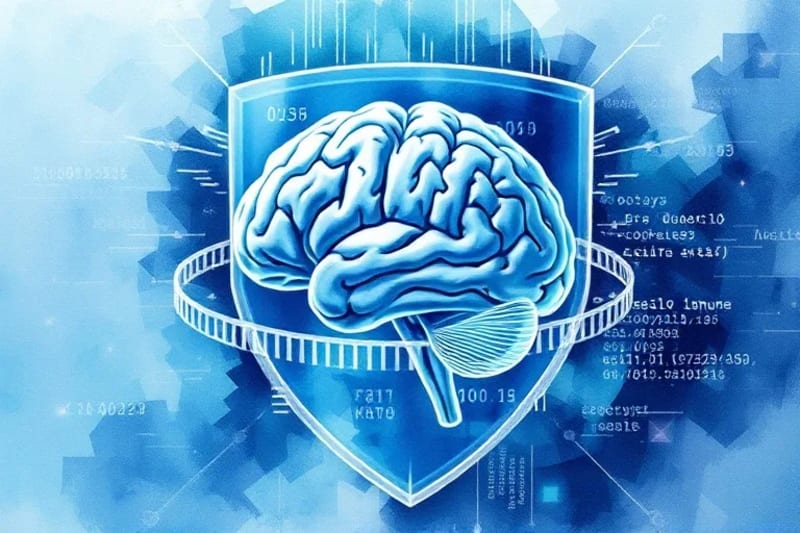
Conceptual artwork illustrating the intricate balance of mental privacy and technological advancements.
AI and Neurotechnology: Opportunities and Threats
Artificial intelligence is both a catalyst and a critical component in the neuro-rights discussion. AI algorithms are essential for interpreting the vast and complex data generated by neurotechnologies, enabling the decoding of brain signals and the development of sophisticated BCIs. These advancements offer incredible opportunities for medical breakthroughs, such as restoring motor functions to paralyzed individuals, treating severe depression, or enhancing memory in patients with neurodegenerative diseases.
However, the same AI capabilities that promise healing and enhancement also pose significant threats. The ability of AI to analyze and even predict human thoughts and intentions raises profound questions about surveillance, manipulation, and control. For instance, AI-powered neuro-marketing could tailor advertisements directly to unconscious desires, while malicious actors could potentially exploit vulnerabilities in BCIs to compromise an individual's mental autonomy. The intersection of AI and neurotechnology necessitates a careful balance between innovation and protection.
Developing Legal and Ethical Frameworks
The establishment of robust legal and ethical frameworks is crucial for integrating neuro-rights into existing human rights law. Several international bodies and national governments are beginning to explore how to address these challenges. Chile, for example, has been a pioneer in this field, proposing a constitutional amendment to protect neuro-rights and ensure that scientific and technological development respects the free will and mental integrity of individuals. This proactive approach sets a precedent for other nations.
Discussions within the United Nations and other global organizations emphasize the need for a global consensus on neuro-rights, recognizing that neurotechnology is a cross-border issue. The legal challenges are complex, as existing laws often do not adequately cover the unique nature of neural data or the direct manipulation of cognitive processes. New legislation must define what constitutes "brain data," establish clear consent protocols, and outline penalties for misuse. The growing concern over Cybercrime Criminal Law: Legal Challenges Digital Era further highlights the need for specialized legal frameworks to protect individuals in the digital and neural realms.
The Universal Declaration of Human Rights, adopted in 1948, provides a foundational framework for human dignity and liberty. However, it predates the advent of advanced neurotechnology and AI. Therefore, a modern interpretation or amendment is required to extend these protections to the cognitive domain.
Key legal principles that could be adapted include the right to privacy (Article 12), freedom of thought (Article 18), and the right to self-determination. The challenge lies in translating these broad principles into specific, enforceable neuro-rights that can effectively govern the use of brain-interfacing technologies.
Societal Implications and Challenges
The societal implications of neurotechnology and AI, particularly concerning neuro-rights, are vast and multifaceted. On one hand, these technologies could revolutionize healthcare, education, and human interaction, leading to a more connected and capable society. On the other hand, without adequate protections, they could exacerbate existing inequalities, create new forms of discrimination, and fundamentally alter what it means to be human.

A conceptual depiction of digital identity, emphasizing its complexity and the need for protection in the AI age.
The challenge of protecting personal identity in the face of neuro-enhancements is particularly salient. If technologies can modify our cognitive functions, how do we ensure that these modifications align with our authentic selves? This ties into deeper philosophical questions about the nature of consciousness and the self, echoing discussions about Dark Zodiacal Archetypes Integrating Shadow and the complexities of human psychology. Furthermore, the potential for surveillance through brain data raises concerns about authoritarian control and the erosion of democratic values.
Addressing these challenges requires a multidisciplinary approach involving neuroscientists, ethicists, legal scholars, policymakers, and the public. Public education and engagement are vital to foster informed discussions about the risks and benefits of neurotechnology. Without broad societal understanding and input, the development of these powerful tools could outpace our ability to govern them responsibly.
Future Outlook and Recommendations
The future of neuro-rights will largely depend on the proactive measures taken today. It is imperative that international cooperation intensifies to create harmonized legal frameworks that can effectively protect individuals across borders. This includes developing clear guidelines for data governance, ensuring transparency in the development and deployment of neurotechnologies, and establishing independent oversight bodies.
Recommendations for the path forward include:
- International Collaboration: Fostering global dialogues and agreements on neuro-rights to prevent regulatory arbitrage and ensure universal protection.
- Ethical by Design: Integrating ethical considerations into the very design and development of neurotechnologies and AI systems, rather than as an afterthought.
- Public Education: Raising awareness among the general public about the capabilities of neurotechnology and the importance of neuro-rights.
- Interdisciplinary Research: Supporting research that not only advances neurotechnology but also explores its ethical, legal, and societal implications.
- Legal Reform: Updating existing human rights laws and drafting new legislation specifically tailored to address the unique challenges of neurotechnology.
The journey to fully integrate neuro-rights into our legal and ethical landscape is complex, yet essential. As our understanding of the brain deepens and AI capabilities expand, the protection of our digital consciousness will become a defining challenge of the 21st century. Proactive engagement and a commitment to human dignity will ensure that technology serves humanity, rather than subjugating it. The intricate dance of human experience and the unfolding of fate, much like Multiple Retrograde Planets: Karmic Dive into Natal Chart Analysis, reminds us that even in the face of technological destiny, human agency and protection remain paramount.
Related Explorations
- Biohacking Hormonal Female Balance Wellbeing Longevity: Explore how technology and biology intersect for human enhancement.
- Norse Mythology: Gods, Heroes, and Ragnarök: Delve into ancient narratives that explore human nature and destiny.
- Greek Abacus: Reconstruction, Modern Use and Education: Understand the historical evolution of tools that augment human cognition.
- Astronomical Phenomena: Eclipses, Rains and Cosmic Mysteries: Reflect on the vastness of the universe and our place within it, a context for consciousness.
- Climatic Astrology: Planetary Transits, Earth, Ecological Consciousness: Connect the dots between cosmic influences and the evolution of consciousness.
- Lunar Rituals Zodiac Sign: Manifesting Desires New Moon | AstroFuturo: Explore practices related to mental focus and manifestation, contrasting with technological influence.
- Astro-Linguistics Sigil Magic Esoteric Manifestation Power: Understand ancient methods of influencing reality through focused intent, a parallel to digital consciousness.
Source: Hybrid content assisted by AI and human editorial supervision.


Comentarios