
Advanced Male Hormonal Biohacking Genomic Strategies Longevity
Advanced male hormonal biohacking represents a frontier in personalized health, moving beyond conventional approaches to optimize physiological function, longevity, and overall well-being. This sophisticated discipline integrates cutting-edge genomic insights with targeted lifestyle interventions and medical strategies. The goal is to fine-tune the endocrine system, enhancing vitality and mitigating age-related decline.
Understanding the intricate interplay between genetics, hormones, and environmental factors is crucial for developing truly effective and individualized biohacking protocols. This article delves into the scientific underpinnings and practical applications of these advanced strategies. It aims to provide a comprehensive overview for those seeking to achieve peak performance and extend their healthspan.

Scientific exploration and precision in understanding the intricate relationship between genomic data and hormonal regulation.
Table of Contents
- Introduction to Advanced Male Hormonal Biohacking
- The Pillars of Male Hormonal Health
- Genomic Insights: The Blueprint for Personalization
- Advanced Biohacking Modalities
- Data-Driven Monitoring and Optimization
- Ethical Considerations and Future Trajectories
- Conclusion: The Future of Male Wellness
Introduction to Advanced Male Hormonal Biohacking
Biohacking, at its core, is the practice of leveraging science and technology to optimize human biology and performance. In the context of male hormonal health, this involves a systematic approach to understanding and modulating the endocrine system. The goal is to enhance physical strength, cognitive function, mood stability, and sexual health.
Traditional medicine often addresses hormonal imbalances reactively, focusing on symptom management. Advanced biohacking, conversely, adopts a proactive stance, aiming for optimal hormonal profiles even before overt symptoms manifest. This preventative and performance-oriented mindset is a hallmark of the biohacking philosophy.
The integration of genomic data marks a significant evolution in this field. By analyzing an individual's genetic predispositions, biohackers can tailor interventions with unprecedented precision. This allows for a truly personalized approach, moving beyond one-size-fits-all recommendations to strategies that are genetically congruent with an individual's unique biological makeup.
The Pillars of Male Hormonal Health
Male hormonal health is primarily governed by a complex network of hormones, with testosterone playing a central role. Testosterone influences muscle mass, bone density, red blood cell production, libido, and mood. Its decline with age, often referred to as andropause, can lead to a range of undesirable symptoms.
Other critical hormones include DHEA (dehydroepiandrosterone), a precursor to sex hormones, and cortisol, the primary stress hormone. Maintaining a healthy balance between these hormones is essential for overall well-being. Chronic stress, poor sleep, and inadequate nutrition can disrupt this delicate equilibrium, leading to suboptimal health outcomes.
Estrogen, often considered a female hormone, also plays a vital role in male health, particularly in bone density and cardiovascular function. However, excessively high estrogen levels in men can lead to issues such as gynecomastia and mood disturbances. Therefore, a comprehensive biohacking approach considers the entire hormonal milieu, not just individual hormones in isolation.
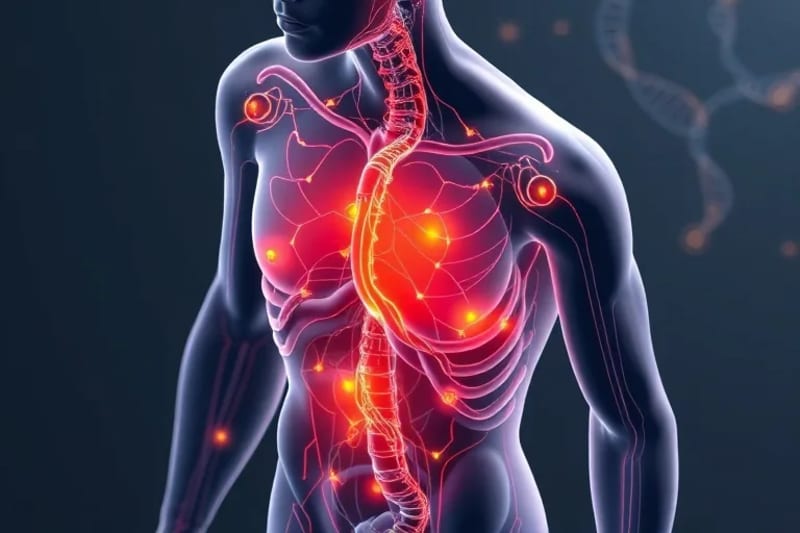
Visualizing the complex interaction between genetic code and hormonal regulation within the human body.
Genomic Insights: The Blueprint for Personalization
Genomic analysis provides a powerful lens through which to understand an individual's unique biological predispositions. This includes insights into how specific genes influence hormone production, metabolism, and receptor sensitivity. For instance, variations in genes like CYP19A1 can affect estrogen synthesis, while polymorphisms in the AR gene can impact androgen receptor sensitivity.
**Pharmacogenomics** explores how an individual's genetic makeup affects their response to drugs, including hormone therapies. This allows for the selection of the most effective and safest hormonal interventions, minimizing adverse effects. Understanding these genetic markers is paramount for precision biohacking.
**Nutrigenomics** examines the interaction between diet and genes, revealing how specific nutrients can influence gene expression and, consequently, hormonal balance. For example, certain genetic variants might predispose an individual to inflammation, which can negatively impact testosterone levels. Tailoring dietary recommendations based on these insights can significantly improve outcomes.
**Epigenetics**, the study of heritable changes in gene expression that do not involve changes to the underlying DNA sequence, highlights the profound impact of lifestyle on our genetic destiny. Factors like diet, exercise, stress, and environmental exposures can "turn on" or "turn off" genes, directly influencing hormonal health. This emphasizes the power of proactive lifestyle choices in optimizing genetic potential.
Advanced Biohacking Modalities
With genomic insights in hand, biohackers can implement highly targeted interventions. These modalities span several domains, each contributing to a holistic optimization strategy. The integration of advanced technologies also raises important questions about neuro-rights protection in the digital age, especially concerning personal genomic data.
- Targeted Supplementation: Based on genomic analysis, specific supplements can be recommended to support hormonal pathways. This might include adaptogens for stress management, micronutrients for hormone synthesis, or compounds that modulate estrogen metabolism. Evidence-based selection is key to avoiding unnecessary or ineffective supplements.
- Lifestyle Optimization:
- Sleep: Prioritizing deep, restorative sleep is paramount, as many hormones, including testosterone and growth hormone, are primarily produced during sleep.
- Stress Management: Chronic stress elevates cortisol, which can suppress testosterone. Techniques like meditation, mindfulness, and breathwork are vital. For a broader perspective on holistic well-being, exploring mindful energy hygiene practices can be beneficial.
- Exercise: Resistance training and high-intensity interval training (HIIT) have been shown to boost testosterone naturally.
- Nutrition: A diet rich in whole foods, healthy fats, and adequate protein, tailored to individual genomic needs, supports optimal hormone production and balance.
- Environmental Factors: Minimizing exposure to endocrine-disrupting chemicals (EDCs) found in plastics, pesticides, and personal care products is crucial. These chemicals can mimic or block hormones, negatively impacting endocrine function.
- Hormone Replacement Therapy (HRT): For individuals with clinically low hormone levels, HRT, under strict medical supervision, can be a powerful tool. Genomic data can inform the type, dosage, and delivery method of hormones, optimizing efficacy and safety. This should always be a decision made in consultation with a qualified medical professional.

Advanced analytics and data visualization for personalized health management and optimization.
Data-Driven Monitoring and Optimization
Continuous monitoring is a cornerstone of advanced biohacking. This involves regular assessment of various biomarkers to track progress and make necessary adjustments to interventions. This iterative process ensures that strategies remain effective and aligned with the individual's evolving physiological state.
- Biomarker Testing: Comprehensive blood panels provide insights into hormone levels (total and free testosterone, estrogen, DHEA, cortisol), inflammatory markers, nutrient deficiencies, and metabolic health. Saliva and urine tests can offer additional data on diurnal hormone fluctuations and metabolite excretion.
- Wearable Technology: Devices that track sleep patterns, heart rate variability (HRV), activity levels, and even continuous glucose monitoring (CGM) provide real-time data. This information helps identify stressors, optimize recovery, and fine-tune lifestyle interventions.
- AI-Driven Analytics: The future of biohacking increasingly involves artificial intelligence to process vast amounts of genomic, biomarker, and lifestyle data. AI algorithms can identify subtle patterns and predict optimal interventions, further enhancing personalization. However, the ethical implications of such advanced AI systems are a subject of ongoing debate, much like the ethics of generative AI in art.
Ethical Considerations and Future Trajectories
As biohacking becomes more sophisticated, it raises important ethical questions. The privacy and security of genomic and health data are paramount. Robust quantum cybersecurity defenses will be essential to protect sensitive personal information from potential breaches and misuse.
Moreover, the accessibility of advanced biohacking strategies and the potential for exacerbating health disparities must be considered. Ensuring that these powerful tools are used responsibly and equitably is a critical challenge. Informed consent and comprehensive education are vital to empower individuals to make well-informed decisions about their health.
The future of male hormonal biohacking is likely to see even greater integration of technologies like CRISPR gene editing for specific genetic predispositions, advanced nanotechnology for targeted drug delivery, and sophisticated AI for predictive health modeling. These advancements promise unprecedented control over human biology, pushing the boundaries of longevity and performance.
Conclusion: The Future of Male Wellness
Advanced male hormonal biohacking, powered by genomic insights, offers a transformative path to optimizing health, performance, and longevity. By understanding the unique genetic blueprint of each individual, interventions can be tailored with remarkable precision, moving beyond generic health advice.
This holistic approach emphasizes the synergistic relationship between targeted supplementation, optimized lifestyle, and continuous data-driven monitoring. While the ethical landscape requires careful navigation, the potential for enhancing human vitality and extending healthy lifespans is immense. The future of male wellness lies in this intelligent, personalized, and scientifically grounded pursuit of biological optimization.
Explore More on Althox
Source: Hybrid content assisted by AI and human editorial supervision.


Comentarios