
Hormonal Biohacking Longevity Genomic Cellular Strategies
Hormonal biohacking for extreme longevity represents a cutting-edge frontier in human health, aiming to optimize physiological functions and extend healthy lifespan through targeted interventions. This discipline moves beyond conventional medicine by adopting a proactive, data-driven approach to health and aging. It integrates advanced diagnostics, personalized nutrition, lifestyle modifications, and sometimes pharmaceutical or supplemental therapies to fine-tune the body's intricate hormonal balance.
The core premise is that aging is not an inevitable decline but a process influenced by modifiable biological pathways, many of which are regulated by hormones. By understanding and manipulating these pathways, individuals seek to mitigate age-related diseases, enhance vitality, and potentially extend their functional years. This article will delve into the scientific underpinnings, key strategies, and future implications of this transformative field.
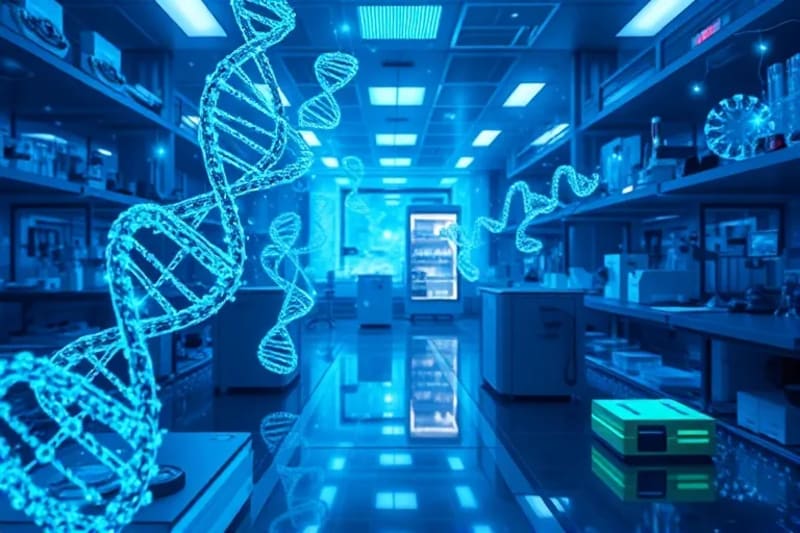
Fuente visual sujeta a disponibilidad del ecosistema: Wikimedia Commons bajo licencia CC BY-SA 4.0 o renderizado conceptual IA.
The pursuit of extreme longevity through biohacking often involves a deep dive into an individual's unique biological blueprint. This includes analyzing genetic predispositions, epigenetic markers, and a comprehensive panel of hormonal levels. The goal is not merely to correct deficiencies but to optimize systems for peak performance and resilience against the stressors of aging. This holistic approach recognizes the interconnectedness of various bodily systems and their impact on overall health and lifespan.
Table of Contents
- The Endocrine System and Longevity
- Key Hormones in Biohacking for Longevity
- Genomic and Epigenetic Strategies
- Cellular Senescence and Telomere Maintenance
- Advanced Diagnostic Tools and Personalized Protocols
- Ethical Considerations and Future Outlook
The Endocrine System and Longevity
The endocrine system, a network of glands that produce and secrete hormones, plays a pivotal role in regulating almost every physiological process in the body. These processes include metabolism, growth, reproduction, mood, and immune function. As we age, the efficiency of this system often declines, leading to hormonal imbalances that contribute to various age-related conditions such as sarcopenia, osteoporosis, cognitive decline, and metabolic syndrome.
Hormonal biohacking seeks to restore or optimize these hormonal levels to those associated with youth and peak health. This is not about simply replacing hormones but understanding the complex feedback loops and interactions within the endocrine system. For instance, the balance between insulin, cortisol, thyroid hormones, and sex hormones is crucial for maintaining cellular health and metabolic efficiency, directly impacting longevity pathways.
Scientific research consistently demonstrates the link between optimal hormonal function and extended healthy lifespan. Studies on centenarians often reveal robust hormonal profiles, suggesting that maintaining endocrine resilience is a hallmark of successful aging. Biohackers leverage this knowledge, using a combination of diet, exercise, stress management, and targeted supplementation to support their endocrine glands.
Key Hormones in Biohacking for Longevity
Several hormones are frequently targeted in longevity biohacking protocols due to their profound impact on aging processes. Understanding their roles and how to modulate them is central to this approach. The strategies often involve a combination of lifestyle changes and carefully monitored interventions.
- Growth Hormone (GH) and IGF-1: These hormones are critical for tissue repair, muscle growth, and metabolic regulation. While high levels in later life can be problematic, optimal, balanced levels are associated with vitality. Biohacking aims to stimulate natural GH release through sleep optimization, specific amino acids, and high-intensity exercise, rather than exogenous administration which carries risks.
- Insulin and Glucagon: Maintaining insulin sensitivity is paramount for longevity. Chronic high insulin levels contribute to inflammation, metabolic dysfunction, and accelerated aging. Strategies include low-glycemic diets, intermittent fasting, and regular physical activity to improve glucose metabolism.
- Thyroid Hormones (T3, T4): Thyroid hormones regulate metabolism, energy production, and cognitive function. Suboptimal thyroid function, even within "normal" clinical ranges, can lead to fatigue, weight gain, and cognitive impairment. Biohackers often focus on nutrient support (iodine, selenium), stress reduction, and avoiding endocrine disruptors to optimize thyroid health.
- Sex Hormones (Testosterone, Estrogen, Progesterone): These hormones decline significantly with age, impacting bone density, muscle mass, libido, mood, and cardiovascular health. Biohacking strategies involve supporting natural production through diet, exercise, stress management, and sometimes bioidentical hormone replacement therapy (BHRT) under strict medical supervision. This is particularly relevant for female hormonal biohacking for longevity and well-being.
- Cortisol: The primary stress hormone, chronic elevated cortisol, can lead to inflammation, immune suppression, and accelerated aging. Biohackers employ mindfulness, meditation, adaptogens, and sleep hygiene to manage stress and maintain healthy cortisol rhythms.
The precise modulation of these hormones requires a deep understanding of individual physiology and a highly personalized approach. Generic solutions are rarely effective, emphasizing the need for advanced diagnostics and expert guidance.
Genomic and Epigenetic Strategies
Beyond direct hormonal modulation, modern longevity biohacking delves into genomic and epigenetic strategies. Genomics involves studying an individual's entire set of genes, while epigenetics examines how environmental factors and lifestyle choices can alter gene expression without changing the underlying DNA sequence. These fields provide a blueprint for personalized interventions.
Genetic testing can identify predispositions to certain age-related diseases or variations in metabolic pathways that affect hormone synthesis and sensitivity. For example, knowing one's APOE genotype can inform strategies to mitigate Alzheimer's risk, while MTHFR gene variations might necessitate specific B vitamin supplementation to support methylation, a crucial epigenetic process.
Epigenetic biohacking focuses on influencing gene expression through diet, exercise, stress reduction, and specific nutraceuticals. Compounds like resveratrol, curcumin, and sulforaphane are studied for their potential to activate sirtuins and other longevity genes. Intermittent fasting and caloric restriction are also powerful epigenetic modulators, promoting cellular repair and autophagy, which are vital for combating aging.
The emerging field of ethical neurohacking also touches upon these genomic and cellular strategies, as optimizing brain health is integral to overall longevity. Understanding how genetic and epigenetic factors influence brain function allows for more precise interventions to maintain cognitive vitality throughout life.
Cellular Senescence and Telomere Maintenance
A cornerstone of cellular longevity is addressing cellular senescence and maintaining telomere integrity. Senescent cells, often called "zombie cells," stop dividing but remain metabolically active, secreting inflammatory molecules that damage surrounding healthy tissue and accelerate aging. Telomeres, the protective caps at the ends of chromosomes, shorten with each cell division, eventually triggering senescence or apoptosis.
Biohacking strategies target these mechanisms through various means:
- Senolytics: These are compounds designed to selectively destroy senescent cells. Quercetin, fisetin, and dasatinib are examples of senolytics currently being researched for their potential to clear these harmful cells, thereby reducing inflammation and improving tissue function.
- Telomerase Activators: While directly activating telomerase (the enzyme that rebuilds telomeres) carries risks (e.g., potential for cancer), some natural compounds are believed to support telomere health indirectly. These include astragalus root extract and specific antioxidants, though more research is needed to confirm their efficacy and safety in humans.
- Lifestyle Interventions: Regular exercise, a nutrient-dense diet rich in antioxidants, stress reduction, and adequate sleep all contribute to better telomere maintenance and reduced cellular senescence. Chronic stress and inflammation are known accelerators of telomere shortening.
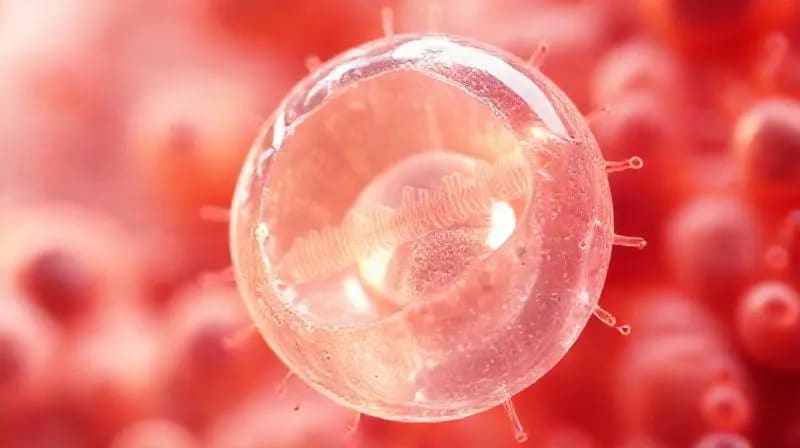
The goal is to reduce the burden of senescent cells and preserve telomere length, thereby extending the replicative capacity of healthy cells and delaying the onset of age-related cellular dysfunction. This is a complex area of research, with new discoveries constantly emerging.
Advanced Diagnostic Tools and Personalized Protocols
Effective hormonal biohacking for extreme longevity relies heavily on advanced diagnostic tools that provide a comprehensive snapshot of an individual's biological state. These tools go far beyond standard annual check-ups, offering deep insights into cellular, genomic, and metabolic health.
| Diagnostic Tool | Purpose in Biohacking | Key Insights Provided |
|---|---|---|
| Comprehensive Hormone Panels | Assess current endocrine function and balance. | Levels of testosterone, estrogen, cortisol, thyroid hormones, DHEA, growth hormone. |
| Genetic Sequencing (Whole Genome/Exome) | Identify genetic predispositions and variations affecting health/longevity. | SNPs related to metabolism, detoxification, nutrient absorption, disease risk. |
| Epigenetic Clocks (e.g., Horvath Clock) | Measure biological age versus chronological age. | Methylation patterns indicative of cellular aging. |
| Advanced Metabolic Markers | Evaluate metabolic health and inflammation. | Fasting insulin, HbA1c, hs-CRP, homocysteine, lipid subfractions. |
| Gut Microbiome Analysis | Understand gut health's impact on immunity, metabolism, and hormone balance. | Diversity and composition of gut bacteria, presence of pathogens. |
| Telomere Length Testing | Assess cellular aging at a fundamental level. | Average telomere length, percentage of short telomeres. |
Based on these comprehensive data points, highly personalized protocols are developed. These protocols often include precision nutrition tailored to an individual's genetic and metabolic profile, targeted supplementation to address specific deficiencies or optimize pathways, and bespoke exercise regimens. The iterative nature of biohacking means these protocols are continuously monitored and adjusted based on ongoing diagnostic feedback and subjective well-being.
Ethical Considerations and Future Outlook
As hormonal biohacking and longevity science advance, important ethical considerations come to the forefront. These include equitable access to expensive treatments, the potential for unintended side effects from unproven interventions, and the societal implications of significantly extended lifespans. The pursuit of extreme longevity must be balanced with responsible scientific practice and a commitment to public health.
The future of hormonal biohacking is likely to see even more sophisticated tools, including AI-driven personalized health platforms and advanced gene-editing technologies like CRISPR. These innovations promise unprecedented control over biological processes, potentially allowing for the correction of genetic predispositions and the precise modulation of aging pathways. However, with such power comes immense responsibility.
The integration of technologies, including those related to generative AI and future authorship, will likely play a role in developing complex models for predicting individual responses to biohacking interventions. This data-driven approach will refine personalized medicine, making longevity strategies more precise and effective. Furthermore, the philosophical implications of extending human life significantly will necessitate broad societal discussions. The concept of Pluto Houses transformation and shadow work, while from a different domain, conceptually touches upon the profound internal changes and societal shifts that might accompany such radical longevity.
In conclusion, hormonal biohacking for extreme longevity is a rapidly evolving field with the potential to revolutionize how we approach health and aging. By combining deep scientific understanding of the endocrine system, genomic insights, and cellular strategies, it offers a path toward not just longer lives, but healthier, more vibrant ones. The journey requires vigilance, ethical consideration, and a commitment to evidence-based practices.
Related Explorations
- Female Hormonal Biohacking: Longevity, Well-being Strategies - Deep dive into gender-specific hormonal optimization.
- Ethical Neurohacking: AI Brain Optimization Mental Health - Explore the intersection of technology, ethics, and cognitive enhancement.
- Impact of Music on the Brain: Neuroscience, Emotion, Learning - Understand the non-pharmacological influences on brain health and well-being.
- Pluto Houses Transformation: Shadow Work Natal Chart - A conceptual look at profound personal transformation, reflecting the deep changes sought in longevity.
Source: Hybrid content assisted by AI and human editorial supervision.


Comentarios