
Neuro-rights Mental Privacy AI Digital Consciousness
The rapid advancements in artificial intelligence (AI) and neurotechnology are ushering in an era where the human mind, once considered the last bastion of privacy, is becoming increasingly accessible. This unprecedented convergence presents both immense opportunities and profound ethical challenges, particularly concerning neuro-rights and mental privacy. As AI systems gain the ability to interpret, influence, and even manipulate neural data, safeguarding individual consciousness becomes a paramount concern for society, law, and technology.

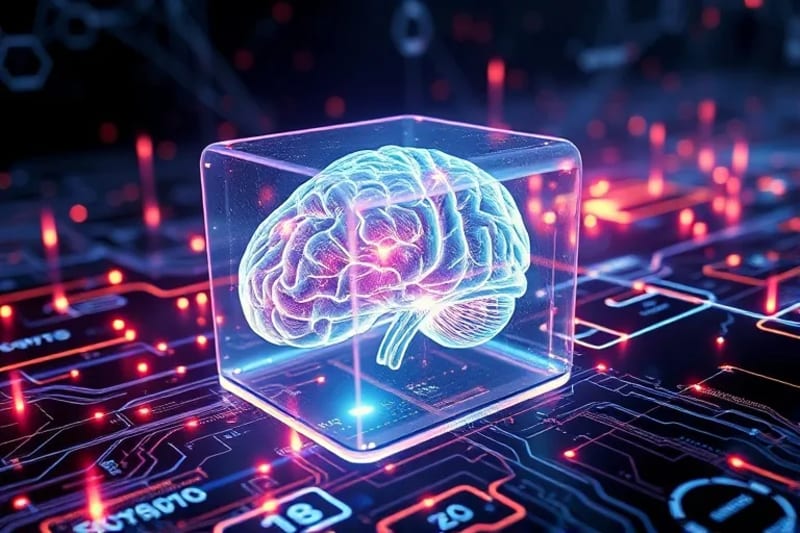
Fuente visual sujeta a disponibilidad del ecosistema: Wikimedia Commons bajo licencia CC BY-SA 4.0 o renderizado conceptual IA.
This article delves into the intricate landscape of neuro-rights, exploring their definition, the threats posed by emerging technologies, and the urgent need for robust legal and ethical frameworks. We will examine how AI's capabilities are pushing the boundaries of what is considered private and what implications this has for human autonomy and dignity. Understanding these concepts is crucial for navigating the future of human-AI interaction.
Table of Contents
- Defining Neuro-rights: A New Frontier
- The Threat to Mental Privacy in the AI Era
- Technological Advancements and Their Implications
- Ethical Frameworks and Philosophical Debates
- Legal and Regulatory Challenges
- International Initiatives and Future Outlook
- Conclusion
Defining Neuro-rights: A New Frontier
Neuro-rights represent a nascent but critical category of human rights designed to protect the brain and its activity from emerging neurotechnologies. These rights are not merely an extension of existing privacy laws; they address the unique vulnerabilities presented by technologies that can directly access, monitor, and potentially alter neural processes. The concept gained prominence as neuroscientists and ethicists recognized the potential for misuse of brain-computer interfaces (BCIs) and advanced AI.
The core tenets of neuro-rights typically include:
- Right to Mental Privacy: Protection against unauthorized access to brain data.
- Right to Mental Integrity: Safeguarding against unauthorized alteration or manipulation of brain activity.
- Right to Cognitive Liberty: The freedom to make one's own decisions and control one's own mental processes.
- Right to Psychological Continuity: Protection of one's personal identity and sense of self from external modification.
- Right to Fair Access to Neuro-enhancement: Ensuring equitable distribution of beneficial neurotechnologies, preventing a "cognitive divide."
These rights aim to establish a protective shield around the individual's mental sphere, ensuring that technological advancements serve humanity without compromising its fundamental essence. The philosophical underpinnings of neuro-rights often draw from existing human rights discourse, extending principles of bodily autonomy and privacy to the neural domain.
The Threat to Mental Privacy in the AI Era
Mental privacy, traditionally understood as the inaccessible nature of one's thoughts and emotions, is under unprecedented threat from the synergy of neurotechnology and AI. Brain-computer interfaces (BCIs), neuroimaging techniques, and advanced AI algorithms are making it possible to decode neural signals with increasing accuracy. This data can reveal intentions, emotional states, cognitive processes, and even memories, creating a direct pathway into the most intimate aspects of human experience.
The primary concerns regarding mental privacy include:
- Data Exploitation: Companies could collect and monetize brain data for targeted advertising, personalized services, or even predictive analytics of behavior.
- Surveillance: Governments or authoritarian regimes could use neurotechnology for mass surveillance, monitoring citizens' thoughts or dissent.
- Discrimination: Brain data could be used to discriminate in employment, insurance, or legal contexts based on predispositions or cognitive profiles.
- Coercion and Manipulation: Advanced AI, coupled with neurofeedback, could be used to subtly influence or coerce individuals, undermining free will.

The challenge is magnified by the 'black box' nature of many AI systems, making it difficult to understand how they process and interpret neural data. This lack of transparency can obscure potential biases or unintended consequences, further complicating efforts to protect mental privacy. As we move towards a future where AI integrates more deeply with human cognition, the need for robust ethical guidelines and legal protections becomes increasingly urgent.
Technological Advancements and Their Implications
The rapid pace of innovation in neurotechnology and AI is the driving force behind the neuro-rights debate. Brain-computer interfaces (BCIs), once confined to science fiction, are now a reality, offering promise for medical applications like restoring movement to paralyzed individuals or enhancing cognitive functions. However, these same technologies also open doors to unprecedented access to the brain. Non-invasive BCIs, such as EEG-based systems, are becoming more sophisticated, while invasive implants offer even higher resolution data.
Key technological developments include:
- Advanced Neuroimaging: Techniques like fMRI and MEG can map brain activity with increasing precision, revealing cognitive states and emotional responses.
- Brain-Computer Interfaces (BCIs): Devices that translate neural signals into commands for external devices or, conversely, provide sensory feedback directly to the brain.
- AI for Neural Decoding: Machine learning algorithms are now capable of interpreting complex neural patterns, translating them into speech, images, or even abstract thoughts.
- Neuro-modulation Techniques: Technologies like transcranial magnetic stimulation (TMS) or deep brain stimulation (DBS) can alter brain activity, raising concerns about mental integrity.
These technologies, while offering transformative potential, also carry inherent risks. The ability of AI to learn from vast datasets of neural activity means that even seemingly anonymous brain data can be de-anonymized and linked to individuals. Furthermore, the development of sophisticated generative AI models could eventually lead to the creation of synthetic mental experiences or the manipulation of perception, blurring the lines between reality and simulation. The ethical implications of these advancements are profound, touching upon human autonomy and the very definition of consciousness. For a broader understanding of how AI is shaping various sectors, consider its impact on areas like generative AI ethics and intellectual property in art.
Ethical Frameworks and Philosophical Debates
The emergence of neuro-rights has ignited vigorous ethical and philosophical debates, challenging long-held notions of self, identity, and consciousness. Central to these discussions is the question of what constitutes the "self" when external technologies can access or influence one's mental landscape. Philosophers are grappling with the implications for free will and personal agency in a world where thoughts might be predicted or even subtly guided by algorithms.
Key ethical considerations include:
- Autonomy vs. Enhancement: Where is the line between therapeutic neuro-enhancement and coercive manipulation?
- Identity and Selfhood: How do neurotechnologies impact our sense of self and psychological continuity?
- Responsibility: Who is accountable when an AI system, influenced by neural data, makes a decision or takes an action?
- Equity: How can we ensure fair access to beneficial neurotechnologies without exacerbating existing social inequalities?
These debates are not merely academic; they have direct implications for policy-making and the design of future technologies. Establishing clear ethical guidelines is crucial to prevent a dystopian future where mental privacy is eroded and human dignity compromised. The discussion extends to how we define consciousness itself in an age where AI can mimic cognitive processes, as explored in discussions around neuroarchitecture and cognitive well-being, which also touches upon the interaction between mind and environment.
Legal and Regulatory Challenges
The existing legal frameworks, largely developed before the advent of advanced neurotechnology and AI, are ill-equipped to address the complexities of neuro-rights and mental privacy. Traditional privacy laws focus on personal data, but neural data presents unique challenges due to its intimate nature and potential for direct inference about mental states. Many countries are beginning to recognize this gap, but comprehensive legislation remains elusive.
The primary legal hurdles include:
- Defining "Brain Data": Establishing a legal definition that encompasses various forms of neural information, from raw EEG signals to decoded thoughts.
- Jurisdiction: Determining which legal authority governs brain data when neurotechnologies can be used across borders.
- Consent: Developing robust consent mechanisms for the collection and use of neural data, especially given its sensitive nature and potential for manipulation.
- Enforcement: Creating mechanisms to enforce neuro-rights and provide remedies for violations, which may be difficult to detect or prove.
Chile has been a pioneer in this area, becoming the first country to amend its constitution to protect neuro-rights, specifically the right to mental integrity and the right to mental privacy. This landmark move signals a growing global awareness of the urgency to address these issues. Other regions are exploring similar legislative paths, often drawing parallels with data protection regulations like GDPR but recognizing the need for more specific protections. The challenges in regulating rapidly evolving technologies are not new; similar debates have occurred regarding social media governance and safety, highlighting the continuous need for legal adaptation.
International Initiatives and Future Outlook
Recognizing the global nature of neurotechnology and AI, international bodies and research consortia are actively working to develop common standards and recommendations for neuro-rights. Organizations like the OECD and UNESCO have initiated discussions and published reports on the ethical implications of neurotechnology, aiming to foster international cooperation and prevent a fragmented regulatory landscape.
Key initiatives and future directions include:
- Standardization: Developing international standards for data collection, storage, and processing of neural information.
- Ethical AI Guidelines: Integrating neuro-rights principles into broader ethical guidelines for AI development and deployment.
- Public Education: Raising public awareness about the risks and benefits of neurotechnology to encourage informed societal debate.
- Multi-stakeholder Collaboration: Fostering cooperation among governments, industry, academia, and civil society to develop comprehensive solutions.
The future of neuro-rights will likely involve a dynamic interplay between technological innovation, ethical deliberation, and legal adaptation. As AI continues to evolve, the definition and scope of mental privacy will need constant re-evaluation. The goal is to harness the transformative power of neurotechnology for human benefit while rigorously protecting the fundamental rights and dignity of every individual. This continuous adaptation mirrors the need for lifelong learning and skill development, often termed reskilling and upskilling, to keep pace with technological changes in the workforce.
Conclusion
Neuro-rights and mental privacy stand at the forefront of the ethical and legal challenges posed by the AI era. As our understanding of the brain deepens and neurotechnologies become more sophisticated, the imperative to protect individual consciousness from unwarranted intrusion or manipulation grows stronger. The journey to establish robust frameworks for neuro-rights is complex, requiring interdisciplinary collaboration, proactive legislation, and a global commitment to human dignity.
By defining clear boundaries for the use of brain data, ensuring mental integrity, and upholding cognitive liberty, we can shape a future where technology empowers humanity without compromising its most intimate sanctuary: the mind. The conversation around neuro-rights is not just about regulation; it's about defining what it means to be human in an increasingly interconnected and technologically advanced world.
Source: Hybrid content assisted by AI and human editorial supervision.


Comentarios