
Genetic Bioengineering Human Future: Ethical Scientific Implications
Genetic bioengineering, a rapidly evolving field, stands at the forefront of scientific innovation, promising to redefine the very essence of human existence. It encompasses a broad spectrum of technologies aimed at manipulating the genetic material of living organisms, including humans, to achieve specific outcomes. From curing debilitating diseases to enhancing human capabilities, the potential applications are vast and transformative.
This discipline merges principles of biology, engineering, and computer science, paving the way for unprecedented interventions at the molecular level. As we delve deeper into the intricacies of our genetic code, the boundaries between what is natural and what is engineered become increasingly blurred. This exploration necessitates a careful examination of both the scientific breakthroughs and the profound ethical questions they raise.

Exploring the intricate interplay of scientific advancement, ethical considerations, and societal impact in the realm of genetic bioengineering.
Visual source subject to ecosystem availability: Wikimedia Commons under CC BY-SA 4.0 license or conceptual AI rendering.The concept of "biohacking" emerges as a particularly compelling aspect of this revolution, representing a more personal and often DIY approach to optimizing human biology. It involves individuals using scientific and technological tools to improve their physical and cognitive performance, health, and well-being. While some biohacking practices are relatively benign, others venture into the realm of genetic self-modification, raising unique considerations.
This article will explore the core principles of genetic bioengineering, the diverse landscape of biohacking, and the critical ethical and scientific implications for the future of humanity. We will navigate the promises of disease eradication and human enhancement, alongside the perils of unintended consequences, social inequality, and the fundamental redefinition of human nature.
Table of Contents
- Foundations of Genetic Bioengineering
- The Rise of Biohacking: Personalizing Health
- Scientific Advancements Shaping the Human Future
- Ethical and Societal Implications
- Legal Frameworks and Public Perception
- The Future Landscape: Promises and Perils
Foundations of Genetic Bioengineering
At its core, genetic bioengineering relies on a profound understanding of deoxyribonucleic acid (DNA), the blueprint of life. DNA carries the instructions for an organism's development, functioning, growth, and reproduction. Genes are specific segments of DNA that contain these instructions, often coding for proteins that perform essential cellular functions.
The advent of gene editing technologies, particularly CRISPR-Cas9 (Clustered Regularly Interspaced Short Palindromic Repeats and CRISPR-associated protein 9), has revolutionized the field. CRISPR acts like molecular scissors, allowing scientists to precisely cut and paste DNA sequences, effectively editing the genetic code with unprecedented accuracy and efficiency. This breakthrough has opened doors to modifying genes in almost any organism, including humans.
Before CRISPR, techniques like zinc-finger nucleases (ZFNs) and transcription activator-like effector nucleases (TALENs) offered similar capabilities but were more complex and costly. CRISPR's simplicity and versatility have democratized gene editing, making it accessible to a wider range of researchers and applications. The ability to target and alter specific genes holds immense promise for correcting genetic defects that cause diseases.
Early applications focused on somatic cell gene therapy, where genetic modifications are made to non-reproductive cells, meaning the changes are not inherited by offspring. However, the potential for germline editing, which involves altering reproductive cells or early embryos, introduces heritable changes, sparking intense ethical debates about altering the human gene pool for future generations.
The Rise of Biohacking: Personalizing Health
Biohacking, often described as "DIY biology," is a movement where individuals apply scientific principles to their own bodies to optimize performance, health, and longevity. It ranges from simple lifestyle adjustments to complex genetic interventions. The core idea is to take control of one's own biology, moving beyond traditional medicine to a more personalized and proactive approach to health.
Common forms of biohacking include dietary modifications like intermittent fasting or ketogenic diets, fitness optimization through advanced tracking and training protocols, and sleep cycle manipulation. Nootropics, or "smart drugs," are also popular for cognitive enhancement. However, a more extreme and controversial facet of biohacking involves self-experimentation with genetic modification.
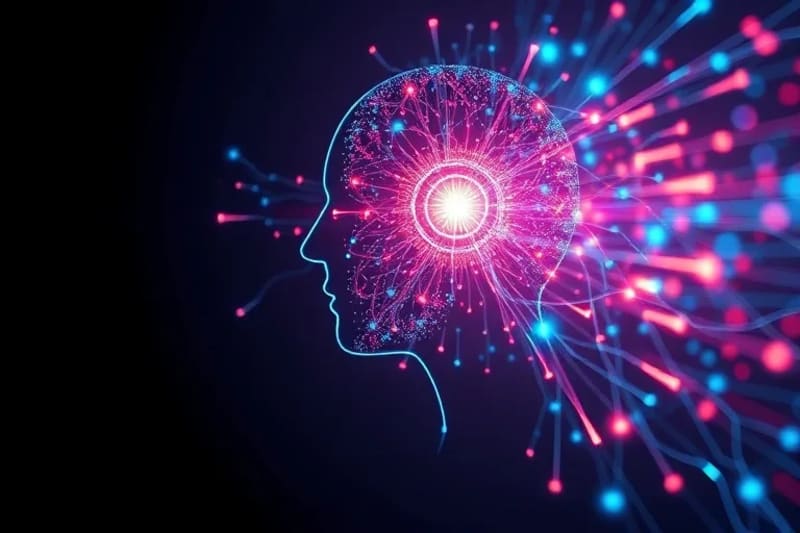
Conceptual illustration of human bio-enhancement through technological integration.
Some biohackers attempt to use gene editing tools, often purchased online, to alter their own DNA outside of clinical settings. These practices are largely unregulated and carry significant risks, including unintended mutations, immune responses, and the potential for long-term health consequences. The motivation often stems from a desire to cure personal ailments, enhance physical attributes, or simply push the boundaries of human capability.
The biohacking community highlights the potential for individual empowerment and faster innovation, bypassing the slower pace of traditional research. However, critics emphasize the lack of scientific rigor, ethical oversight, and potential for harm. The distinction between legitimate scientific inquiry and dangerous self-experimentation becomes crucial in this context.
Scientific Advancements Shaping the Human Future
The scientific advancements in genetic bioengineering are nothing short of revolutionary. Gene therapies are moving from clinical trials to approved treatments for previously incurable diseases. Conditions like spinal muscular atrophy, certain forms of blindness, and some cancers are now being treated with gene-editing techniques that correct or replace faulty genes.
Beyond direct disease treatment, CRISPR and other tools are being explored for a multitude of applications. This includes developing disease-resistant crops, engineering microbes for bioremediation, and creating new diagnostic tools. In human health, research is underway to use gene editing to combat HIV, develop universal donor organs, and even slow down the aging process.
The debate between "therapy" and "enhancement" is central to these discussions. Therapy aims to restore normal function or correct a disease state, while enhancement seeks to improve capabilities beyond what is considered typical for a human. For instance, correcting a gene that causes a severe genetic disorder is therapy, but altering genes to increase muscle mass or cognitive ability might be considered enhancement.
Understanding the genetic makeup of diverse life forms, even those in extreme environments, can provide crucial insights for human bioengineering. For example, Deep Sea Exploration: Species Ecosystem Discoveries often uncovers organisms with unique genetic adaptations to harsh conditions, which could inspire novel gene therapies or biotechnological solutions for human resilience and health.
Ethical and Societal Implications
The power to rewrite the human genetic code comes with immense ethical responsibilities. One of the most contentious issues is germline editing, which involves making heritable changes. If a gene is altered in an embryo or reproductive cell, that change will be passed down to all future generations, potentially altering the human gene pool permanently. This raises concerns about "designer babies" and the potential for unforeseen long-term effects on human evolution.
Another critical concern is equity and access. If genetic therapies and enhancements become widely available, who will have access to them? There is a significant risk that these technologies could exacerbate existing social inequalities, creating a "genetic divide" between those who can afford enhancements and those who cannot. This could lead to new forms of discrimination and a two-tiered society.
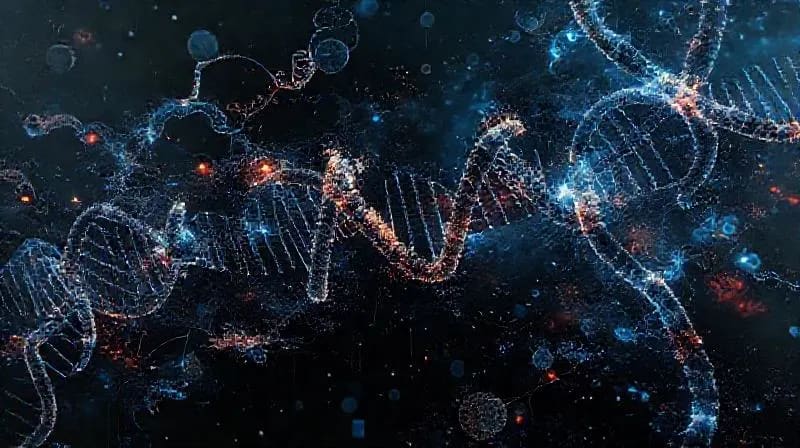
Artistic representation of the complex ethical considerations in genetic engineering.
Safety concerns are paramount. Despite the precision of tools like CRISPR, off-target edits—unintended changes to other parts of the genome—can occur. The long-term consequences of such alterations are not fully understood. There are also worries about unintended ecological impacts if genetically modified organisms are released into the environment, or if human genetic modifications have unexpected systemic effects.
The very definition of what it means to be human is also at stake. If we can engineer away undesirable traits or enhance desirable ones, where do we draw the line? What constitutes a "normal" human, and who decides? These philosophical questions underscore the need for broad societal dialogue and robust ethical frameworks.
Legal Frameworks and Public Perception
The rapid pace of genetic bioengineering research often outstrips the development of adequate legal and regulatory frameworks. Different countries have adopted varying stances on gene editing, particularly regarding germline modifications. Some nations have outright bans, while others permit research under strict oversight. This patchwork of regulations creates challenges for international collaboration and prevents a unified approach to global ethical standards.
The biohacking movement, with its emphasis on individual autonomy and often unregulated practices, further complicates the regulatory landscape. When individuals perform genetic experiments on themselves, it falls into a legal gray area, raising questions about informed consent, public health, and the responsibilities of governments to protect their citizens from potential harm. The lack of clear guidelines for Collaborative Robotics Workplace Safety: Regulations Practices can offer a parallel on how new technologies require proactive regulatory responses.
The Universal Declaration on the Human Genome and Human Rights, adopted by UNESCO in 1997, states: "The human genome underlies the fundamental unity of all members of the human family, as well as the recognition of their inherent dignity and diversity. In a symbolic sense, it is the heritage of humanity."
Article 2 states: "Everyone has a right to respect for their dignity and their rights regardless of their genetic characteristics. That dignity makes it necessary to ensure that such characteristics shall not give rise to discrimination."
Public perception plays a significant role in shaping policy. Media portrayals, often sensationalized, can fuel both excitement and fear. Education and transparent communication from scientists and policymakers are essential to foster an informed public discourse. Understanding the scientific realities, rather than relying on speculation, is crucial for making sound societal decisions about these powerful technologies.
The need for comprehensive Global AI Governance: Legal Challenges Critical Decisions provides a relevant precedent for how international bodies and national governments must collaborate to establish ethical guidelines and regulatory frameworks for emerging technologies that have global implications, such as genetic bioengineering.
The Future Landscape: Promises and Perils
Looking ahead, the future of genetic bioengineering promises a landscape of unprecedented medical breakthroughs. Predictive medicine, leveraging genetic sequencing, will allow for early detection and prevention of diseases, tailoring treatments to an individual's unique genetic profile. Personalized medicine, already a growing field, will become even more precise and effective.
Human augmentation, once confined to science fiction, may become a reality. This could involve enhancing physical attributes, cognitive functions, or even sensory perception through genetic modifications. The ethical boundaries of such enhancements will continue to be a focal point of debate, challenging our understanding of human potential and limitations.
The integration of artificial intelligence (AI) and quantum computing will further accelerate genetic research. AI can analyze vast datasets of genomic information, identify potential gene targets, and predict the outcomes of genetic modifications with greater accuracy. Quantum computing, with its immense processing power, could unlock even deeper secrets of the genome, enabling more complex and sophisticated bioengineering interventions.
However, these promises are shadowed by potential perils. The misuse of genetic technologies for non-therapeutic purposes, the creation of biological weapons, or unintended consequences that could disrupt ecosystems or human society are serious concerns. Vigilance, international cooperation, and a strong commitment to ethical principles will be essential to navigate this complex future responsibly.
The trajectory of human evolution itself may be influenced by our choices in genetic bioengineering. We are entering an era where humanity has the tools to consciously direct its own biological future. This profound capability demands not only scientific excellence but also deep philosophical reflection and a collective commitment to the well-being of all, present and future generations.
Related Searches
Source: Hybrid content assisted by AI and human editorial supervision.


Comentarios