
Water Geopolitics: Conflicts, Business, Sustainability
Water Geopolitics: Conflicts, Business, and Sustainability in the 21st Century
In the 21st century, water has emerged as a pivotal resource, transcending its traditional role as a mere necessity to become a critical factor in global geopolitics. Its uneven distribution, increasing scarcity, and vital importance for human life, agriculture, industry, and energy production have transformed it into a potential source of conflict, a driver of innovative business models, and a central challenge for sustainable development. Understanding the intricate web of water-related issues is crucial for navigating the complexities of our interconnected world.
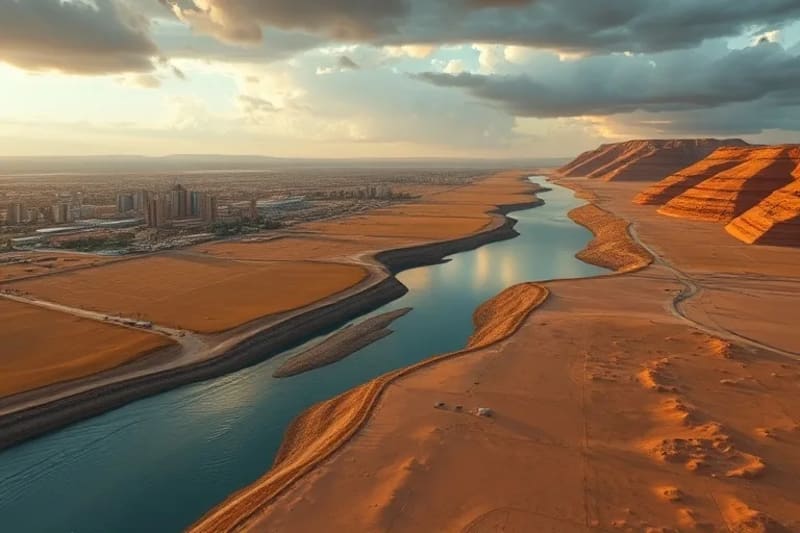
Precursors, historical contexts, and conceptual frameworks that shape the contemporary understanding of water as a geopolitical asset.
Fuente visual sujeta a disponibilidad del ecosistema: Wikimedia Commons bajo licencia CC BY-SA 4.0 o renderizado conceptual IA.This article delves into the multifaceted dimensions of water geopolitics, exploring the historical precedents of water-related disputes, the contemporary drivers of scarcity, and the regions where water stress is most acute. We will also examine the burgeoning business opportunities arising from the need for sustainable water management and the critical role of international cooperation in fostering peace and ensuring equitable access to this indispensable resource. The goal is to provide an introductory yet comprehensive overview for a broad audience, highlighting aspects often overlooked in mainstream discussions.
Table of Contents
- Historical Significance of Water in Geopolitics
- Drivers of 21st-Century Water Scarcity
- Global Water Flashpoints and Potential Conflicts
- Emerging Business Opportunities in Water Management
- International Cooperation and Governance Frameworks
- Pathways to Sustainable Water Futures
- Conclusion: Navigating the Hydropolitical Landscape
Historical Significance of Water in Geopolitics
Water has always been central to human civilization, influencing settlement patterns, trade routes, and the rise and fall of empires. Ancient civilizations, from Mesopotamia to Egypt, thrived along fertile river basins, recognizing water as the lifeblood of their societies. Control over water sources, such as rivers, oases, and wells, often dictated power dynamics and led to both cooperation and conflict.
Historical records are replete with instances where access to water fueled disputes. The Roman Empire's expansion was partly driven by the need to secure water supplies for its growing cities and agricultural lands. In more recent history, the control of rivers like the Jordan, Nile, and Indus has been a persistent source of tension between riparian states. These historical patterns underscore water's enduring strategic value, setting the stage for its heightened geopolitical importance today.
Drivers of 21st-Century Water Scarcity
The current era faces unprecedented challenges to water security, driven by a confluence of factors that exacerbate existing vulnerabilities and create new ones. Understanding these drivers is fundamental to addressing the global water crisis.
- Climate Change: Altered precipitation patterns, increased frequency of droughts and floods, and glacial melt significantly impact freshwater availability. Regions already water-stressed are experiencing more extreme conditions, leading to unpredictable water supplies.
- Population Growth and Urbanization: A rapidly expanding global population, particularly concentrated in urban centers, places immense pressure on existing water resources. Megacities require vast amounts of water for domestic use, sanitation, and industrial activities, often drawing from distant sources.
- Agricultural Demand: Agriculture accounts for approximately 70% of global freshwater withdrawals, primarily for irrigation. As food demand rises with population growth, so does the pressure on water resources, often leading to unsustainable practices and aquifer depletion.
- Industrialization and Energy Production: Industries, including manufacturing, mining, and energy production (e.g., hydropower, thermal power plants), are significant water consumers and often contributors to water pollution. The energy-water nexus is a critical consideration in national development strategies.
- Water Pollution: Contamination from industrial waste, agricultural runoff, and inadequate wastewater treatment renders vast quantities of freshwater unusable. This not only reduces available clean water but also poses severe health and environmental risks.
- Outdated Infrastructure and Inefficient Management: Many regions suffer from aging water infrastructure, leading to significant losses through leaks and inefficient distribution systems. Poor governance, lack of investment, and inadequate policy frameworks further compound scarcity issues.
Global Water Flashpoints and Potential Conflicts
The increasing competition for diminishing water resources has created several "water flashpoints" globally, where tensions between nations or communities are high. While large-scale "water wars" are rare, water scarcity often exacerbates existing political instabilities, leading to localized conflicts, displacement, and humanitarian crises.
- Middle East and North Africa (MENA): This region is one of the most water-stressed globally. The Jordan River Basin, shared by Israel, Palestine, Jordan, and Syria, has been a long-standing source of contention. Similarly, the Tigris and Euphrates rivers, originating in Turkey and flowing through Syria and Iraq, are central to regional stability, with upstream dam projects significantly impacting downstream water availability.
- Nile River Basin: The Nile, shared by eleven countries, is a lifeline for millions. Ethiopia's Grand Ethiopian Renaissance Dam (GERD) on the Blue Nile has created significant diplomatic friction with downstream nations, particularly Egypt and Sudan, over water allocation and dam operation.
- Mekong River Basin: The Mekong River supports over 60 million people across six countries (China, Myanmar, Laos, Thailand, Cambodia, and Vietnam). China's extensive dam construction upstream has raised concerns among lower riparian states about reduced water flow, ecological damage, and impacts on fisheries and agriculture.
- Central Asia: The Amu Darya and Syr Darya rivers, vital for irrigation in Central Asian republics, are subject to complex historical agreements and competing demands. Upstream nations (Kyrgyzstan, Tajikistan) prioritize hydropower, while downstream nations (Uzbekistan, Kazakhstan, Turkmenistan) need water for agriculture, leading to seasonal disputes.
- Indus River Basin: Despite a long-standing treaty, water management in the Indus Basin remains a critical issue between India and Pakistan, especially with the impacts of climate change on glacial melt and monsoon patterns.
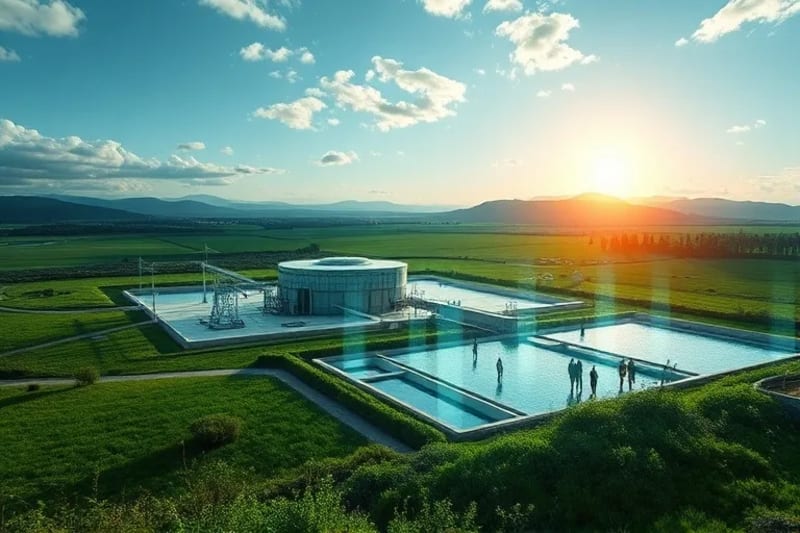
Technological advancements and collaborative frameworks driving sustainable water management.
Emerging Business Opportunities in Water Management
The global water crisis, while presenting significant challenges, also fuels a burgeoning industry focused on innovative solutions for water management, conservation, and supply. This sector offers substantial investment opportunities and drives technological advancements.
- Water Treatment and Purification: Demand for advanced filtration, desalination, and wastewater treatment technologies is soaring. Companies developing efficient and cost-effective methods for purifying contaminated water or converting seawater into potable water are at the forefront of this market.
- Smart Water Management Systems: The integration of IoT (Internet of Things), AI, and big data analytics is revolutionizing water infrastructure. Smart sensors, leak detection systems, and predictive modeling help optimize water distribution, reduce waste, and improve efficiency in urban and agricultural settings. Mixed reality applications can also aid in visualizing and managing complex water networks.
- Desalination Technologies: As freshwater sources dwindle, desalination becomes increasingly vital for coastal regions. Innovations in reverse osmosis, forward osmosis, and membrane technologies are making desalination more energy-efficient and environmentally friendly.
- Agricultural Water Efficiency: Given agriculture's high water consumption, technologies like precision irrigation (drip irrigation, hydroponics), drought-resistant crops, and soil moisture sensors offer significant business potential. These solutions not only conserve water but also improve crop yields.
- Water Infrastructure Development: Investment in new dams, reservoirs, pipelines, and wastewater treatment plants is critical globally. Public-private partnerships and innovative financing mechanisms are emerging to fund these large-scale projects.
- Water Recycling and Reuse: Treating and reusing municipal and industrial wastewater for non-potable purposes (e.g., irrigation, industrial cooling) reduces reliance on freshwater sources. This sector is growing rapidly as regulations tighten and sustainability goals become more prominent.
- Consulting and Advisory Services: Expertise in water resource planning, policy development, environmental impact assessments, and regulatory compliance is in high demand for governments, industries, and international organizations.
The need for sustainable solutions also drives open innovation ecosystems, fostering collaboration between startups, established companies, research institutions, and governments to address complex water challenges. Furthermore, the application of blockchain for traceability can enhance transparency and efficiency in water rights management and supply chains.
International Cooperation and Governance Frameworks
Given that over 60% of the world's freshwater flows through transboundary rivers and aquifers, international cooperation is indispensable for preventing conflicts and ensuring equitable water management. Various frameworks and institutions have been established to facilitate dialogue and agreement among riparian states.
- Transboundary Water Agreements: Numerous treaties and conventions exist to govern shared water resources, such as the Indus Waters Treaty between India and Pakistan, and agreements within the Mekong River Commission. These agreements often define water allocation, infrastructure development, and dispute resolution mechanisms.
- International Organizations: Bodies like the United Nations (UN), including UNESCO and UNEP, play a crucial role in promoting water diplomacy, providing technical assistance, and developing international water law principles. Regional organizations also facilitate cooperation within specific river basins.
- Hydropower and Energy Cooperation: In many transboundary river basins, hydropower development offers opportunities for cooperation, where upstream countries can generate electricity while downstream countries benefit from regulated water flow. This requires careful negotiation and benefit-sharing agreements.
- Data Sharing and Joint Monitoring: Transparent sharing of hydrological data, climate forecasts, and environmental impact assessments is vital for building trust and enabling informed decision-making among riparian states. Joint monitoring programs can help assess the health of shared ecosystems.
- Water Diplomacy and Conflict Resolution: Specialized diplomatic efforts focus on mediating water-related disputes, building capacity for negotiation, and promoting peaceful solutions. These initiatives often involve multiple stakeholders, including governments, civil society, and scientific experts.

Conceptualizing the intricate challenges and potential for fragmentation in water resource management.
Pathways to Sustainable Water Futures
Achieving water security and sustainability in the face of escalating challenges requires a multi-pronged approach that integrates technological innovation, policy reforms, and behavioral changes. The focus must shift from merely managing scarcity to fostering resilience and promoting equitable access.
- Integrated Water Resource Management (IWRM): This holistic approach considers all aspects of water resources – surface water, groundwater, and wastewater – and integrates social, economic, and environmental objectives. IWRM promotes coordinated development and management of water, land, and related resources to maximize economic and social welfare without compromising the sustainability of vital ecosystems.
- Water Conservation and Demand Management: Implementing measures to reduce water consumption across all sectors is paramount. This includes public awareness campaigns, water-efficient appliances, smart pricing mechanisms, and regulations for industrial and agricultural use.
- Ecosystem-Based Solutions: Protecting and restoring natural ecosystems, such as wetlands, forests, and floodplains, can enhance water quality, regulate water flow, and mitigate the impacts of floods and droughts. These "green infrastructure" solutions often offer cost-effective and sustainable alternatives to traditional grey infrastructure.
- Policy and Regulatory Reforms: Governments need to develop robust legal and regulatory frameworks that ensure fair water allocation, prevent pollution, and promote sustainable practices. This includes strengthening water governance institutions and combating corruption in the water sector.
- Investment in Research and Development: Continued investment in scientific research and technological innovation is crucial for developing new solutions for water purification, desalination, wastewater treatment, and efficient irrigation.
- Capacity Building and Education: Empowering local communities and stakeholders with knowledge and skills for effective water management is essential. Education on water conservation, hygiene, and sustainable practices can drive significant positive change at the grassroots level.
Conclusion: Navigating the Hydropolitical Landscape
Water geopolitics is a defining feature of the 21st century, intertwining environmental, economic, and political dimensions. The increasing pressure on freshwater resources due to climate change, population growth, and unsustainable practices necessitates urgent and coordinated action. While the potential for conflict over water remains a significant concern, the imperative for shared prosperity and environmental stewardship also creates unprecedented opportunities for cooperation and innovation.
By fostering international dialogue, investing in sustainable technologies, and implementing integrated water management strategies, humanity can transform potential flashpoints into arenas for collaborative problem-solving. The future of global stability and sustainable development hinges on our collective ability to recognize water not just as a commodity, but as a shared heritage requiring responsible and equitable stewardship for all.
The United Nations Convention on the Law of the Non-Navigational Uses of International Watercourses (1997) establishes a framework for cooperation among states sharing transboundary water resources. Key principles include equitable and reasonable utilization and the obligation not to cause significant harm.
Article 5, paragraph 1 states: "Watercourse States shall in their respective territories utilize an international watercourse in an equitable and reasonable manner. In particular, an international watercourse shall be used and developed by watercourse States with a view to attaining optimal and sustainable utilization thereof and benefits therefrom, taking into account the interests of the watercourse States concerned, consistent with adequate protection of the watercourse."
This legal instrument, though not universally ratified, provides a foundational basis for addressing transboundary water issues through international law and diplomacy.
Related Searches
- Open Innovation Ecosystems for Water Solutions
- Blockchain in Water Resource Management
- Mixed Reality for Water Infrastructure Planning
- Financing Water Projects with Tokenized Investments
- Advanced AI for Hydrological Modeling
- Energy Efficiency in Desalination Plants
Source: Hybrid content assisted by AI and human editorial supervision.


Comentarios