
Digital Cryptozoology: Online Myths Anomalies Explored
The vast, ever-expanding landscape of the internet has given rise to a new frontier for the unexplained and the mythical: digital cryptozoology. This emerging field explores the phenomena of "digital cryptids"—entities, stories, or anomalies that originate and thrive within online ecosystems, often blurring the lines between fiction, folklore, and perceived reality. Unlike traditional cryptozoology, which seeks unknown animals in physical wildernesses, digital cryptozoology navigates the intricate web of data, algorithms, and human interaction to uncover the creatures and legends born from the digital realm.
From viral hoaxes and creepypastas to algorithmic glitches and AI-generated specters, the online world is teeming with entities that capture collective imagination. Understanding these digital anomalies requires a multidisciplinary approach, blending insights from technology, sociology, psychology, and media studies. This article delves into the origins, manifestations, and profound implications of digital cryptozoology, offering an educational and informed perspective on this fascinating aspect of modern internet culture.
Table of Contents
- What is Digital Cryptozoology?
- From Lore to Pixels: A Brief History
- The Pantheon of Digital Cryptids
- Psychology of Online Belief
- Notable Digital Cryptozoology Cases
- Technology's Double-Edged Sword
- Ethical Dimensions and Misinformation
- The Future of Digital Anomalies
What is Digital Cryptozoology?
Digital cryptozoology can be defined as the study of unverified or unidentifiable entities, phenomena, or narratives that originate and propagate within digital environments. These "cryptids" are not biological creatures but rather informational constructs, often manifesting as images, videos, text-based stories, or even interactive experiences. Their existence is intrinsically tied to the internet's architecture, social media dynamics, and the human propensity for storytelling and belief.
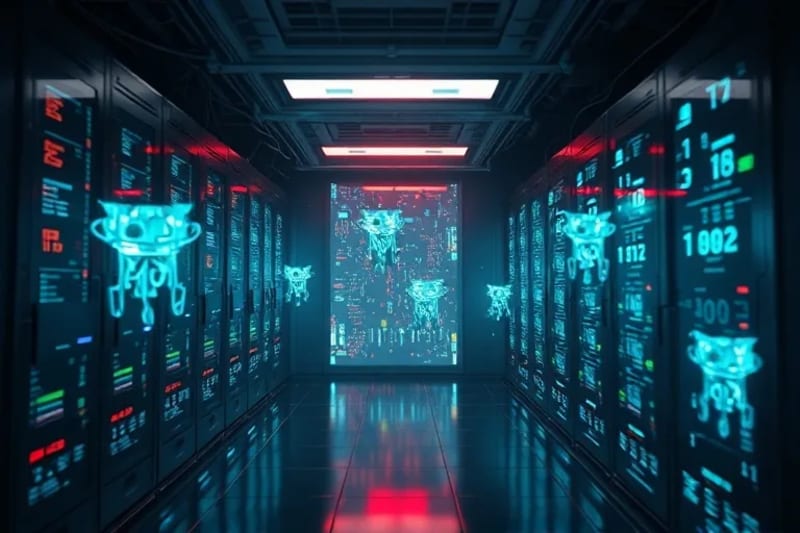
Conceptual representation of digital entities within complex online data streams, highlighting the mysterious nature of unseen digital life forms.
The field acknowledges that the internet, much like unexplored terrestrial regions, possesses its own dark corners and uncharted territories where strange occurrences can take root. These digital unknowns range from elaborate fictional narratives that gain a life of their own to genuine glitches or emergent behaviors within complex systems that defy immediate explanation. The study of these phenomena helps us understand not only the internet itself but also the evolving relationship between humanity and its digital creations.
From Lore to Pixels: A Brief History
Traditional cryptozoology has roots in ancient folklore and anecdotal accounts of creatures like Bigfoot or the Loch Ness Monster. With the advent of the internet, this human fascination with the unknown found a new, fertile ground for propagation. Early internet forums and bulletin boards became breeding grounds for urban legends, chain emails, and rudimentary hoaxes, laying the groundwork for what would become digital cryptozoology.
The late 1990s and early 2000s saw the rise of viral content, where images and stories could spread globally within hours. This accelerated the creation and dissemination of digital cryptids, transforming local legends into international phenomena. The participatory nature of the internet, allowing anyone to contribute, modify, or debunk these narratives, added layers of complexity and authenticity to these emerging myths. This evolution mirrors the way traditional folklore adapted and transformed across generations, but at an unprecedented speed.
The Pantheon of Digital Cryptids
Digital cryptids manifest in various forms, each with unique characteristics and methods of propagation. Understanding their typology is crucial for analyzing their impact and underlying mechanisms. These categories often overlap, reflecting the fluid nature of online content.
- Creepypastas: These are horror-related legends or images that have been copied and pasted around the internet. They are often short, user-generated stories designed to scare or unsettle readers, evolving through collective storytelling.
- Viral Hoaxes and Challenges: Deliberately fabricated pieces of information or dangerous trends designed to spread rapidly through social media. They often exploit human curiosity, fear, or a desire for social validation.
- Algorithmic Anomalies: Unexpected or inexplicable behaviors generated by complex algorithms, especially in AI and machine learning systems. These can sometimes produce bizarre images, sounds, or text that appear "alien" or "supernatural."
- Deepfakes and Synthetic Media: Highly realistic, AI-generated or manipulated media (images, audio, video) that can create convincing but entirely fabricated scenarios. These blur the lines of reality and can be used to generate digital cryptids that are hard to distinguish from genuine content.
- Lost Media and Digital Ghosts: Obscure or deleted online content that becomes the subject of obsessive searches, sometimes attributed with mysterious or cursed properties. This includes forgotten websites, unreleased games, or rare video clips.
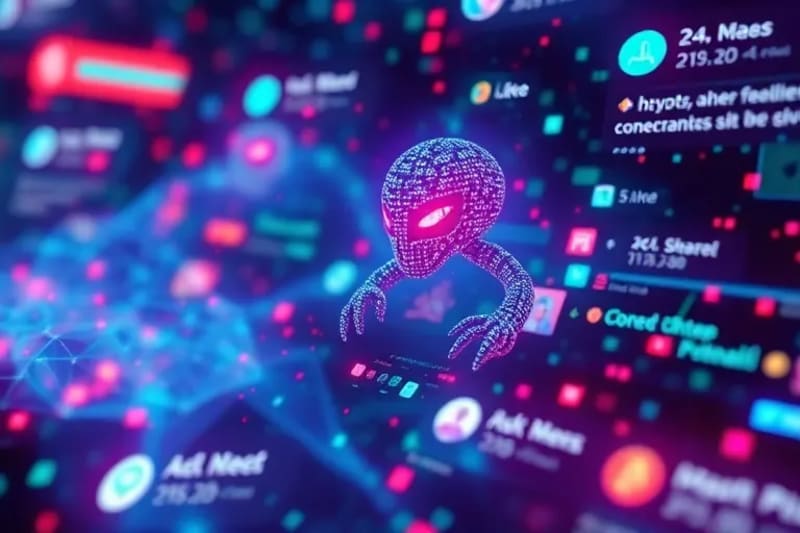
A vibrant vector art depiction of digital cryptids emerging from a social media feed, illustrating the rapid spread of online myths.
Psychology of Online Belief
The human mind is inherently wired to seek patterns, create narratives, and make sense of the unknown. The internet amplifies these tendencies, providing a platform where collective belief can coalesce around even the most improbable stories. Several psychological factors contribute to the widespread acceptance and propagation of digital cryptids.
One significant factor is the phenomenological analysis of belief in unexplained phenomena, which suggests that humans often interpret ambiguous stimuli through the lens of their existing beliefs and anxieties. The anonymity and perceived distance of the internet can also lower inhibitions, making individuals more susceptible to unusual narratives or more willing to contribute to their development. Furthermore, the social reinforcement provided by online communities can validate even outlandish claims, creating echo chambers where digital cryptids thrive.
The desire for excitement, novelty, and a sense of belonging also plays a crucial role. Engaging with digital cryptids can offer a thrilling escape from mundane reality, fostering a shared experience among participants. This collective engagement can be particularly potent, leading to phenomena like mass hysteria or moral panics, as seen with certain viral challenges. The interplay between individual psychology and collective online behavior is a rich area of study within digital cryptozoology.
Notable Digital Cryptozoology Cases
Numerous examples illustrate the diverse nature and profound impact of digital cryptids. These cases often highlight how online narratives can transcend their digital origins and influence real-world events, sometimes with tragic consequences.
- Slender Man: Originating as a creepypasta in 2009, Slender Man quickly became a pervasive internet myth. The tall, faceless entity with elongated limbs was depicted abducting children. Its influence tragically extended into the real world when two 12-year-old girls attempted to murder a classmate, claiming they did so to appease Slender Man. This case underscored the potent psychological impact of digital folklore.
- Momo Challenge: This viral hoax from 2018 involved a distorted image of a woman with bulging eyes, allegedly encouraging children to perform dangerous tasks, including self-harm. While largely debunked as a hoax, the widespread panic it generated among parents and media outlets demonstrated the power of fear-mongering through digital channels.
- AI Hallucinations: As artificial intelligence becomes more sophisticated, it sometimes generates images, text, or audio that are bizarre, nonsensical, or unsettling. These "hallucinations" can be interpreted as emergent digital entities, reflecting the unpredictable nature of complex algorithms. For instance, some AI art generators have produced uncanny figures that resemble digital cryptids, sparking discussions about the nature of digital consciousness.
- The Backrooms: A collaborative creepypasta and urban legend describing an endless labyrinth of empty office spaces, characterized by yellow walls and fluorescent lights. It has evolved into a vast online universe with its own lore, levels, and entities, demonstrating how communities can collectively build and expand digital myths.
Technology's Double-Edged Sword
Technological advancements are both the birthplace and the battleground for digital cryptozoology. Tools like advanced image and video editing software, AI-powered content generation, and sophisticated social media algorithms facilitate the creation and rapid spread of digital cryptids. Deep learning models, for example, can generate hyper-realistic images and videos, making it increasingly difficult to discern genuine content from fabricated anomalies.

A thought-provoking 3D render of an abandoned VR headset, symbolizing the ephemeral yet persistent nature of digital anomalies and forgotten online entities.
However, technology also offers solutions for detecting and combating misinformation. Advanced forensic tools, AI-driven fact-checking, and blockchain for content verification are being developed to help identify deepfakes and viral hoaxes. The struggle between creators of digital cryptids and those seeking to expose them is a continuous technological arms race. The implications for neuro-rights and bioethics regarding brain manipulation also come into play as digital content increasingly influences perception and belief.
Ethical Dimensions and Misinformation
The rise of digital cryptozoology brings significant ethical challenges, particularly concerning misinformation and its societal impact. The ease with which false narratives can spread online poses risks to public discourse, mental health, and even physical safety. The line between harmless entertainment and dangerous deception can become dangerously blurred, especially when these cryptids incite fear, panic, or harmful behaviors.
Platforms and users alike bear a responsibility to critically evaluate information and promote media literacy. The study of digital cryptozoology, therefore, is not merely an academic exercise but a critical component of understanding and mitigating the risks associated with our increasingly digital lives. It highlights the need for robust ethical frameworks in content creation and dissemination, especially as AI tools become more accessible. This also relates to broader discussions on global consciousness and cosmic sociology, as collective online belief systems can shape societal norms and perceptions.
The Future of Digital Anomalies
As technology continues to evolve, so too will the nature of digital cryptids. The proliferation of virtual reality (VR), augmented reality (AR), and advanced AI will likely create new forms of online anomalies that are even more immersive and challenging to distinguish from reality. We might see cryptids that exist solely within VR worlds, or AR overlays that project digital ghosts onto our physical environments. The development of homomorphic cryptography for secure cloud computations might offer new ways to hide or reveal digital entities, adding another layer of complexity to their study.
The future of digital cryptozoology will undoubtedly be shaped by the ongoing interplay between human creativity, technological innovation, and our enduring fascination with the unknown. It will require continuous vigilance, critical thinking, and a commitment to understanding the complex digital ecosystems we inhabit. As our online lives become increasingly intertwined with our physical realities, the study of digital cryptids will offer invaluable insights into the evolving human condition in the digital age.
In conclusion, digital cryptozoology is a dynamic and essential field for comprehending the emergent folklore and anomalies of the internet. It provides a lens through which to examine the cultural, psychological, and technological forces that shape our collective online experience. By exploring these digital myths, we gain a deeper understanding of ourselves and the complex digital worlds we continue to build.
Source: Hybrid content assisted by AI and human editorial supervision.


Comentarios