
Neurotechnology Intellectual Property: Digital Consciousness Legal Challenges
The rapid advancements in neurotechnology are ushering in an era where the boundaries between human thought, digital data, and artificial intelligence are increasingly blurred. From brain-computer interfaces (BCIs) that enable direct communication with machines to neuro-prosthetics that restore sensory and motor functions, these innovations promise transformative benefits. However, this technological frontier also presents unprecedented legal and ethical challenges, particularly within the realm of intellectual property (IP). As neurotechnologies begin to decode, record, and even influence cognitive processes, fundamental questions arise about the ownership of thoughts, neural data, and the very essence of digital consciousness.
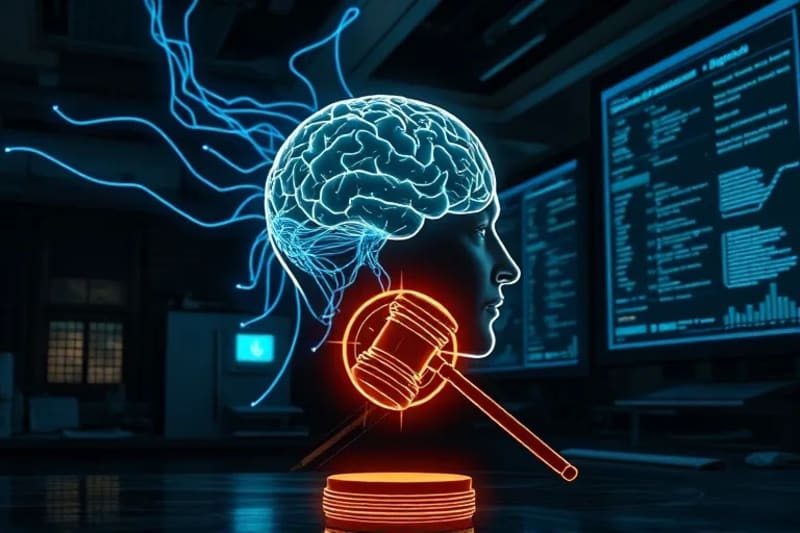
Exploring the intricate intersection where advanced neurotechnology meets established intellectual property law, highlighting the emerging legal complexities.
This article delves into the intricate legal landscape of neurotechnology and intellectual property, examining how existing IP frameworks struggle to accommodate the novel concepts of neural data ownership, brain-derived inventions, and the rights associated with digitally augmented consciousness. We will explore the specific challenges posed by these technologies and consider potential pathways for legal reform and adaptation to ensure both innovation and individual rights are protected in this brave new world.
Table of Contents
- Neurotechnology and the Concept of Digital Consciousness
- Traditional Intellectual Property Frameworks and Their Limitations
- Challenges in Patenting Brain-Derived Inventions
- Copyright and the Ownership of Neural Creations
- Trade Secrets and the Protection of Neural Data
- The Ethical Dilemma of Neural Data Ownership and Privacy
- Neuro-Rights and the Future of Legal Protection
- Navigating the Future of Neurotech IP
Neurotechnology and the Concept of Digital Consciousness
Neurotechnology encompasses a broad range of devices and methods used to understand, monitor, or modulate the brain and nervous system. These include BCIs, neuro-stimulation devices, neuro-imaging techniques, and advanced AI algorithms designed to interpret neural signals. The ultimate goal for some of these technologies is to create a seamless interface between biological cognition and digital systems, leading to what can be termed "digital consciousness" – a state where aspects of human thought, memory, and experience are directly translated into or augmented by digital formats.
This convergence raises profound questions about personal identity and the nature of consciousness itself. If thoughts can be recorded, edited, or even generated externally, who owns these digital manifestations? The implications extend beyond mere data privacy, touching upon the very essence of human autonomy and intellectual freedom. For instance, the field of neurobiology of virtual reality addiction already explores how digital environments can profoundly alter brain mechanisms, hinting at the deep impact neurotechnologies can have on our cognitive landscape.
Traditional Intellectual Property Frameworks and Their Limitations
Current intellectual property law is primarily structured around three main pillars: patents, copyrights, and trade secrets. Each of these mechanisms was designed to protect different forms of human ingenuity and expression, typically tangible or clearly defined intangible assets. However, the unique characteristics of neurotechnology and digital consciousness strain these traditional definitions.
Patents: Protect inventions, processes, machines, manufactures, or compositions of matter that are new, useful, and non-obvious. The challenge here lies in whether a "thought" or a "neural process" can be considered a patentable invention, especially if it's directly extracted or facilitated by a BCI.
Copyrights: Protect original works of authorship fixed in a tangible medium of expression, such as literary, dramatic, musical, and artistic works. Can a piece of music composed directly by brain signals, or a visual artwork generated from a neural pattern, be copyrighted? Who is the author: the individual, the BCI, or the AI interpreting the signals?
Trade Secrets: Protect confidential information that provides a business with a competitive edge. Neural data, especially if it contains proprietary cognitive strategies or unique problem-solving approaches, could potentially be considered a trade secret. However, the personal nature of such data makes its classification as a mere "business asset" problematic.
Challenges in Patenting Brain-Derived Inventions
The concept of "brain-derived inventions" presents a significant hurdle for patent law. Consider a scenario where a scientist uses a BCI to directly conceptualize and refine a novel algorithm or a new chemical compound. Is the human mind the sole inventor, or does the BCI, which facilitated the invention, also hold a claim? Current patent law typically requires a human inventor. If an AI system, driven by neural input, generates an invention, the question of inventorship becomes even more complex.
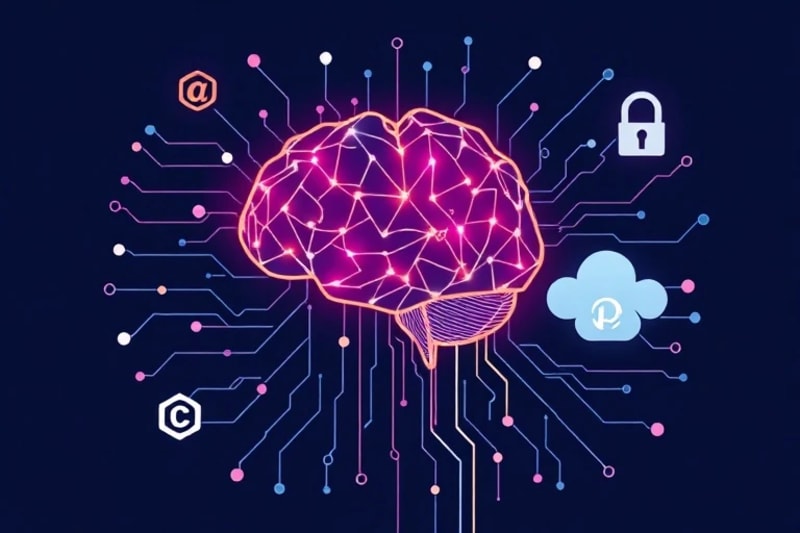
Visualizing the journey of neural data from human cognition to digital platforms and the associated intellectual property implications.
Furthermore, the "non-obviousness" requirement for patents could be challenged. If a BCI allows for rapid iteration and optimization of ideas, does it make certain inventions more "obvious" than if they were conceived through traditional human thought processes? These questions underscore the need for a re-evaluation of inventorship criteria in the age of neuro-enhanced creativity. Similar complexities are being explored in other advanced technological fields, such as nanotechnology in medicine, where the line between natural and engineered innovation is increasingly blurred.
Copyright and the Ownership of Neural Creations
The concept of authorship is central to copyright law. For a work to be copyrighted, it must be an original work of authorship. When a piece of music, a painting, or a literary text is generated directly from brain activity via a BCI, who is the author? Is it the individual whose brain activity generated the output, the developer of the BCI, or the AI algorithm that translated the neural signals into a creative work?
Consider the scenario of a composer using a BCI to directly translate emotional states into musical scores. While the emotional state originates from the human, the tangible expression is mediated by technology. This situation parallels discussions around AI-generated art, where the "author" is often debated between the programmer, the user, and the AI itself. The challenges are amplified when the source of creativity is directly linked to the human mind, blurring the lines of traditional artistic creation. This issue is not entirely new; even in the digital realm, the IP of creative works like the Moonwalk in the Metaverse raises questions about ownership and replication in virtual spaces.
Trade Secrets and the Protection of Neural Data
Neural data, particularly that which reflects unique problem-solving strategies, cognitive biases, or proprietary thought processes, could theoretically be protected as a trade secret. For instance, a company might develop a BCI that helps its engineers optimize complex designs by directly accessing and refining their cognitive approaches. The resulting neural data, if kept confidential and providing a competitive advantage, could be deemed a trade secret.

A detailed view of a neuro-interface device interacting with digital legal documents, symbolizing the integration of technology and law.
However, the application of trade secret law to neural data is fraught with ethical and practical difficulties. Unlike traditional business information, neural data is intimately tied to an individual's personal identity and cognitive processes. Can an individual truly consent to their thoughts being treated as corporate property? What are the implications for personal autonomy if one's cognitive strategies are subject to non-disclosure agreements? These questions highlight the tension between commercial interests and fundamental human rights.
The Ethical Dilemma of Neural Data Ownership and Privacy
Beyond traditional IP, the very concept of owning one's neural data is a critical ethical and legal frontier. Neural data can reveal highly sensitive information about an individual's thoughts, emotions, intentions, and even predispositions to certain conditions. Who owns this data? Is it the individual, the device manufacturer, the data processor, or even the AI that interprets it?
Current data protection laws, such as GDPR, offer some safeguards for personal data, but neural data presents unique challenges due to its extreme sensitivity and potential for manipulation. The right to mental privacy, cognitive liberty, and psychological integrity are increasingly being advocated as fundamental human rights that need explicit legal protection in the neurotechnological age. Without clear ownership and privacy frameworks, there is a significant risk of exploitation, discrimination, and erosion of personal autonomy.
Neuro-Rights and the Future of Legal Protection
In response to these emerging challenges, legal scholars and ethicists are proposing the concept of "neuro-rights." These are a new category of human rights designed to protect the brain and its activity from unauthorized intrusion, manipulation, and exploitation by neurotechnologies. Key proposed neuro-rights include:
Right to Mental Privacy: The right to protect one's brain data from unauthorized access, collection, use, or disclosure.
Right to Cognitive Liberty: The right of individuals to make free and informed decisions about the use of neurotechnologies and to protect their mental autonomy.
Right to Mental Integrity: The right to protect one's mental processes from unauthorized alteration or manipulation.
Right to Psychological Continuity: The right to preserve the coherence and continuity of one's personal identity and sense of self, even when interacting with neurotechnologies.
Right to Access and Fair Use of Neuro-Enhancement: Ensuring equitable access to beneficial neurotechnologies while preventing their misuse or discriminatory application.
These proposed rights aim to establish a robust legal and ethical framework that can guide the development and deployment of neurotechnologies, ensuring that human dignity and autonomy remain paramount. Some countries, like Chile, have already begun to legislate on neuro-rights, indicating a growing global recognition of their importance.
Navigating the Future of Neurotech IP
The intersection of neurotechnology and intellectual property demands a multi-faceted approach. This includes adapting existing IP laws, developing new legal frameworks like neuro-rights, and fostering international collaboration to create harmonized standards. Key areas for consideration include:
| Aspect | Traditional IP Framework | Neurotech IP Challenges | Proposed Solutions/Considerations |
|---|---|---|---|
| Inventorship | Human creator/inventor. | Human + BCI/AI collaboration; AI-generated ideas from neural input. | Expand definition of inventorship; consider "co-inventorship" with AI/BCI; specific guidelines for AI contributions. |
| Authorship | Human author; originality and fixation. | Works directly generated from brain signals; AI interpretation of neural patterns. | Clarify "originality" for neural creations; assign authorship based on intent or primary creative input; new categories for AI-assisted works. |
| Ownership of Neural Data | Generally part of personal data, subject to privacy laws. | Highly sensitive, potentially proprietary cognitive processes; risk of commercial exploitation. | Establish specific "neural data rights"; reinforce mental privacy; strict consent mechanisms; prohibit commercialization without explicit, informed consent. |
| Scope of Protection | Tangible expressions, novel processes, confidential business information. | Thoughts, cognitive patterns, neural signatures, digital consciousness. | Introduce "neuro-rights"; create specific legal categories for cognitive assets; define limits on what can be privatized or owned. |
| Ethical Considerations | Limited direct ethical mandates within IP law, often addressed by other legal fields. | Mental privacy, cognitive liberty, psychological integrity, potential for discrimination and manipulation. | Integrate ethical principles directly into neurotech IP legislation; establish independent oversight bodies; foster public discourse and education. |
The journey ahead is complex, requiring a delicate balance between fostering innovation and safeguarding fundamental human rights. As neurotechnologies continue to evolve, proactive legal and ethical frameworks will be essential to ensure a future where digital consciousness enhances human potential without compromising individual autonomy or dignity.
Explore Related Topics
Source: Hybrid content assisted by AI and human editorial supervision.


Comentarios