
Virtual Reality Biohacking Mental Wellness Immersive Therapies
In an era defined by rapid technological advancement and an increasing focus on personal well-being, the convergence of Virtual Reality (VR) and mental wellness biohacking represents a groundbreaking frontier. This innovative synergy offers unprecedented opportunities to optimize cognitive function, manage stress, and address a wide range of mental health challenges through immersive and personalized experiences. By leveraging VR's capacity to create controlled, interactive environments, individuals can engage in therapeutic interventions and neurofeedback protocols that were once confined to clinical settings, bringing sophisticated mental health tools directly into their lives.
The concept of biohacking, traditionally associated with physical performance and longevity, is now expanding to encompass mental and emotional states. Mental wellness biohacking involves proactive strategies to enhance brain function, emotional regulation, and overall psychological resilience. VR's unique ability to simulate reality, manipulate sensory input, and provide real-time feedback makes it an ideal platform for these advanced biohacking techniques, offering a powerful new dimension to self-improvement and therapeutic practice.
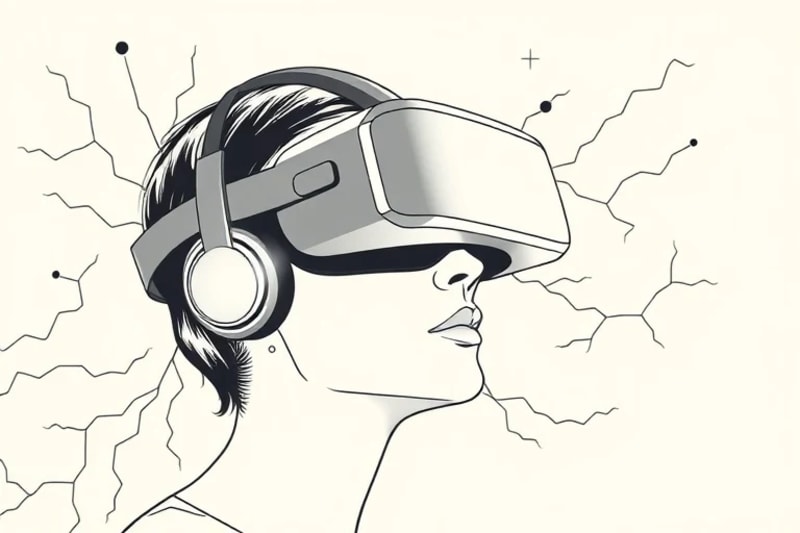
Exploring the intersection of virtual reality and advanced mental wellness biohacking for cognitive and emotional optimization.
This article delves into the transformative potential of VR for mental wellness biohacking, exploring how immersive therapies and neurofeedback are reshaping our approach to psychological health. We will examine the scientific underpinnings, practical applications, technological requirements, and ethical considerations surrounding this exciting development, providing an educational and informed perspective on a rapidly evolving field.
Table of Contents
- The Convergence of VR and Mental Wellness Biohacking
- Immersive VR Therapies for Mental Health
- Neurofeedback in Virtual Reality: A New Frontier
- Technological Foundations and Hardware
- Scientific Evidence and Clinical Applications
- Ethical Considerations and Future Outlook
The Convergence of VR and Mental Wellness Biohacking
Mental wellness biohacking refers to the practice of using science, technology, and self-experimentation to optimize one's mental and emotional state. This can range from dietary adjustments and exercise routines to advanced cognitive training and neurotechnologies. The goal is to move beyond merely alleviating symptoms and instead proactively enhance cognitive performance, emotional resilience, and overall psychological well-being. Virtual Reality enters this landscape as a powerful tool, providing an unparalleled level of control over sensory input and environmental stimuli.
VR's immersive nature allows users to step into entirely new realities, offering a unique platform for targeted mental interventions. Unlike traditional methods that rely on imagination or passive engagement, VR creates a vivid, interactive experience that can deeply influence perception, emotion, and behavior. This immersion is crucial for many biohacking applications, as it can amplify the effectiveness of therapeutic techniques and cognitive exercises by making them more engaging and realistic.
The integration of VR with biohacking methodologies allows for personalized and adaptive interventions. For instance, a VR environment can be dynamically altered based on real-time biometric data, such as heart rate variability or brainwave patterns, to optimize the therapeutic effect. This level of customization ensures that each user receives an experience tailored to their specific needs and responses, maximizing the potential for positive outcomes. The ability to simulate various scenarios safely and repeatedly also makes VR an invaluable tool for practicing coping mechanisms and building resilience.
Immersive VR Therapies for Mental Health
One of the most significant applications of VR in mental wellness biohacking is its use in immersive therapies. These therapies leverage VR's ability to create controlled and realistic simulations, allowing individuals to confront fears, practice social interactions, or engage in calming activities in a safe environment. The effectiveness of VR in these contexts stems from its capacity to induce a strong sense of presence, making the virtual experience feel real to the user.

A tranquil virtual forest environment offering immersive stress reduction and mindfulness practices.
VR exposure therapy has shown remarkable success in treating phobias and post-traumatic stress disorder (PTSD). Patients can gradually expose themselves to feared stimuli or traumatic memories in a controlled virtual environment, allowing them to process and desensitize their responses without real-world risk. For example, individuals with acrophobia can practice standing on virtual ledges, while those with PTSD can revisit triggering scenarios with therapeutic guidance. This controlled exposure helps rewire neural pathways associated with fear and anxiety.
Beyond exposure, VR is increasingly used for mindfulness and meditation. Virtual environments can transport users to serene natural landscapes, guided meditation retreats, or abstract calming spaces, free from real-world distractions. These immersive experiences enhance focus and presence, making mindfulness practices more accessible and effective for many. The visual and auditory cues within VR can deepen the meditative state, promoting relaxation and emotional balance.
Pain management is another area where VR therapies are proving beneficial. By diverting attention and engaging multiple senses, VR can reduce the perception of pain, acting as a powerful distraction technique. This "virtual analgesia" is particularly useful for chronic pain patients, during medical procedures, or for rehabilitation. The brain's limited capacity to process information means that intense virtual experiences can effectively override pain signals, offering a non-pharmacological alternative for relief.
Social skills training in VR provides a safe space for individuals with social anxiety, autism spectrum disorder, or other social challenges to practice interactions. Virtual scenarios can simulate job interviews, public speaking, or casual conversations, allowing users to rehearse responses, receive feedback, and build confidence without the pressure of real-world consequences. This iterative practice helps develop essential social competencies and reduces anxiety in actual social situations.
Stress reduction is a broad application, with VR offering a variety of calming experiences, from flying through space to exploring underwater worlds. These environments are designed to evoke feelings of tranquility and escape, helping to lower cortisol levels and promote a sense of well-being. The ability to customize these experiences further enhances their efficacy, allowing users to select environments and activities that resonate most with their personal preferences for relaxation.
The use of Virtual Reality in therapeutic contexts is supported by growing scientific literature. For instance, a meta-analysis published in the Journal of Clinical Psychology found VR exposure therapy to be as effective as in-vivo exposure for specific phobias. Furthermore, the American Psychological Association (APA) recognizes VR as a promising tool for mental health interventions, particularly in areas like anxiety disorders and pain management.
The U.S. Food and Drug Administration (FDA) has also begun to approve VR-based digital therapeutics for conditions such as chronic pain and ADHD, underscoring the increasing recognition of VR's clinical validity.
Neurofeedback in Virtual Reality: A New Frontier
Neurofeedback, a form of biofeedback, trains individuals to self-regulate their brain activity. By monitoring brainwaves (typically via EEG) and providing real-time feedback, users learn to modify specific patterns associated with various mental states. Integrating neurofeedback with VR elevates this practice by providing highly engaging and intuitive feedback loops, making the training process more effective and enjoyable.
In a VR neurofeedback session, a user might wear an EEG headset while navigating a virtual environment. Their brainwave patterns directly influence elements within the VR world. For example, if the goal is to increase alpha waves (associated with relaxation), a virtual garden might bloom more vibrantly as alpha activity rises. Conversely, if theta waves (associated with inattention) increase, the virtual environment might become cloudy or less clear. This immediate, visual, and immersive feedback helps users intuitively understand and control their brain states.
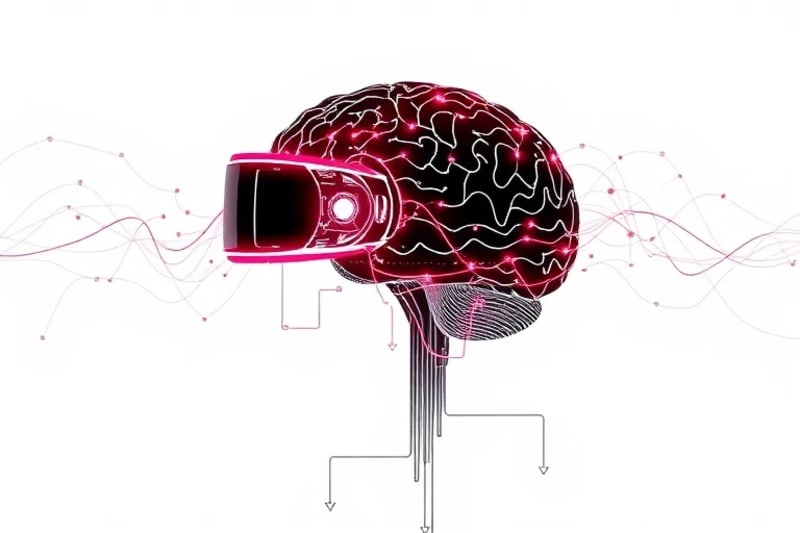
Visualizing brain activity in real-time through a VR headset for advanced neurofeedback training.
Applications of VR neurofeedback are diverse. For individuals with ADHD, it can help improve focus and attention by training them to produce brainwave patterns associated with concentration. For anxiety and depression, it can teach self-regulation of emotional states by promoting calming brainwave frequencies. Athletes and professionals can use it for cognitive enhancement, optimizing their brains for peak performance, improved reaction times, and enhanced decision-making under pressure.
The immersive nature of VR makes neurofeedback less abstract and more engaging than traditional methods, which often rely on simpler visual or auditory cues. This enhanced engagement can lead to better adherence to training protocols and more profound, lasting changes in brain activity. The gamified aspects often integrated into VR neurofeedback also contribute to its appeal, transforming therapeutic exercises into interactive challenges.
For further insights into advanced cognitive enhancement, consider exploring Neurotechnologies Brain Optimization: Advanced Cognitive Biohacking, which delves into the broader spectrum of brain performance technologies.
Technological Foundations and Hardware
The efficacy of VR for mental wellness biohacking hinges on robust technological foundations. The primary hardware component is the VR headset, which can range from standalone devices like the Meta Quest series to PC-tethered systems such as the Valve Index. Standalone headsets offer portability and ease of use, making them ideal for home-based therapies, while PC-tethered systems provide higher graphical fidelity and processing power for more complex simulations.
Beyond the headset, biometric sensors are critical for personalized biofeedback. Electroencephalography (EEG) sensors are paramount for neurofeedback, measuring electrical activity in the brain to detect specific brainwave patterns. Other sensors, such as heart rate monitors, galvanic skin response (GSR) sensors (measuring sweat gland activity as an indicator of emotional arousal), and eye-tracking devices, provide additional data points that can be integrated into VR experiences. This multi-modal data collection allows for a comprehensive understanding of a user's physiological and emotional state.
Software platforms and content development are equally vital. Specialized VR applications are designed to provide therapeutic environments, guided meditations, and neurofeedback games. These applications must be carefully crafted to ensure psychological safety, therapeutic effectiveness, and user engagement. The development process often involves collaboration between VR developers, psychologists, neuroscientists, and content creators to produce experiences that are both immersive and clinically sound.
The future of this technology also involves advancements in haptic feedback, allowing users to "feel" virtual sensations, and spatial computing, which blends virtual elements seamlessly with the real world. These innovations promise to make VR mental wellness biohacking even more immersive and effective, blurring the lines between the digital and physical therapeutic spaces.
Scientific Evidence and Clinical Applications
The application of VR in mental wellness is not merely speculative; it is increasingly supported by a growing body of scientific evidence. Numerous studies have demonstrated the efficacy of VR-based interventions across various mental health conditions. Research published in journals like *Cyberpsychology, Behavior, and Social Networking* and *Frontiers in Psychiatry* consistently reports positive outcomes for VR exposure therapy, mindfulness training, and pain distraction.
For example, clinical trials have shown VR to be effective in reducing anxiety symptoms in patients undergoing surgery or dental procedures. Studies on veterans with PTSD have indicated that VR exposure therapy can significantly decrease symptom severity, often outperforming traditional therapy in terms of engagement and patient adherence. The ability to customize scenarios and control variables within the virtual environment allows therapists to tailor interventions precisely to individual patient needs, which is a significant advantage.
Neurofeedback, particularly when combined with VR, is also gaining traction in clinical settings. Research has explored its potential for conditions such as ADHD, where it helps improve attention and impulse control, and for chronic pain, where it can reduce reliance on medication. The immersive feedback provided by VR enhances the learning process, making it easier for individuals to achieve desired brainwave states. For those interested in the broader impact of biohacking on health, see Hormonal Health Deep Sleep: Biohacking Endocrine Balance.
While the field is still evolving, the scientific community recognizes VR as a legitimate and powerful tool for mental health. Regulatory bodies in several countries are beginning to approve VR-based digital therapeutics, signaling a shift towards wider adoption in mainstream healthcare. This growing acceptance is paving the way for VR to become an integral part of both clinical treatment and personal mental wellness biohacking routines.
Ethical Considerations and Future Outlook
As VR for mental wellness biohacking continues to advance, it is crucial to address the ethical considerations that accompany its development and deployment. Data privacy and security are paramount, as these systems collect sensitive biometric and psychological data. Ensuring the secure storage and ethical use of this information is essential to maintain user trust and prevent potential misuse. Robust encryption and clear consent protocols are non-negotiable requirements.
Accessibility and cost also present significant challenges. While VR headsets are becoming more affordable, they still represent a considerable investment for many. Ensuring equitable access to these powerful tools, particularly for underserved populations, will require innovative solutions, including subsidized programs or integration into public health initiatives. The digital divide must not exacerbate existing health disparities.
Another concern is the potential for misuse or over-reliance. While VR offers immense benefits, it should complement, not replace, human interaction and professional guidance when needed. There is a risk that individuals might use VR to avoid confronting real-world problems or become overly dependent on virtual escapes. Clear guidelines and responsible use frameworks are necessary to mitigate these risks and promote a balanced approach to mental wellness.
The future of VR mental wellness biohacking is bright, with ongoing research exploring even more sophisticated applications. Personalized VR experiences driven by AI, adaptive neurofeedback protocols that learn and evolve with the user, and the integration of VR with other emerging technologies like brain-computer interfaces are on the horizon. These advancements promise to unlock new levels of cognitive and emotional optimization, offering highly individualized and effective tools for enhancing human well-being. The potential to proactively manage mental health, enhance cognitive abilities, and foster emotional resilience through immersive digital experiences is immense, paving the way for a healthier, more balanced future.
Fuente: Contenido híbrido asistido por IAs y supervisión editorial humana.


Comentarios