
Neurotechnologies Brain Optimization: Advanced Cognitive Biohacking
The realm of neuroscience is undergoing a profound transformation, driven by an accelerating confluence of technological innovation and a deeper understanding of the human brain. Neurotechnologies, once confined to the pages of science fiction, are now emerging as tangible tools for enhancing cognitive function, treating neurological disorders, and even forging direct communication pathways between the brain and external devices. This advanced exploration delves into the sophisticated landscape of brain optimization, examining both the scientific underpinnings and the ethical considerations of cognitive biohacking and mind-machine interfaces.
From non-invasive brain stimulation techniques to intricate implantable devices, these innovations promise to redefine human potential and address debilitating conditions. Understanding their mechanisms, applications, and the complex societal implications is crucial as we navigate this new frontier. This article provides a comprehensive overview, highlighting the cutting-edge research and future directions in this rapidly evolving field.
Table of Contents
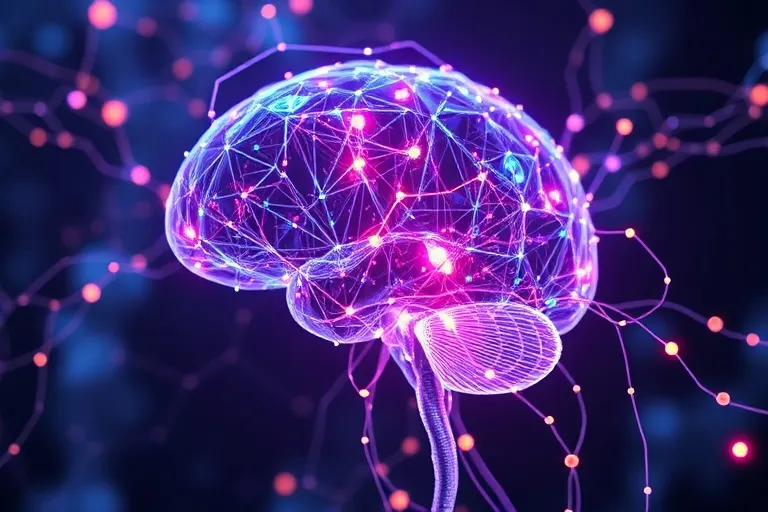
Advanced neurotechnologies are paving the way for unprecedented brain optimization.
The Dawn of Neurotechnology
Neurotechnology refers to any technology that directly interacts with the central or peripheral nervous system to monitor or modulate its activity. This broad definition encompasses a vast array of tools, from diagnostic imaging techniques like fMRI and EEG to therapeutic interventions such as deep brain stimulation (DBS) and transcranial magnetic stimulation (TMS). The field has witnessed exponential growth, fueled by advancements in materials science, microelectronics, and computational neuroscience.
Historically, early neurotechnologies focused primarily on understanding brain function and treating severe neurological disorders. Electroencephalography (EEG), developed in the early 20th century, provided the first non-invasive window into brain electrical activity. Decades later, the advent of functional magnetic resonance imaging (fMRI) revolutionized our ability to map brain activity with high spatial resolution, revealing the neural correlates of various cognitive processes.
More recently, the focus has expanded to include enhancement and restoration of function, moving beyond mere diagnostics. This shift is largely attributed to a deeper mechanistic understanding of neuroplasticity and the brain's remarkable capacity for adaptation. The development of targeted neuromodulation techniques has opened new avenues for personalized interventions, promising precision and efficacy previously unattainable.
The convergence of artificial intelligence (AI) with neurotechnology marks another significant milestone. AI algorithms are now crucial for processing complex neural data, identifying patterns, and optimizing stimulation parameters for individual patients. This synergy is accelerating the development of more adaptive and intelligent neuroprosthetics and cognitive enhancement devices.
Cognitive Biohacking: Beyond Conventional Enhancement
Cognitive biohacking, in the context of neurotechnology, refers to the intentional application of scientific and technological interventions to optimize brain function beyond typical baseline levels. This goes beyond traditional methods like diet and exercise, employing advanced tools to directly influence neural activity. The goal is to improve memory, focus, creativity, and overall mental performance, often appealing to individuals seeking a competitive edge or greater personal capacity.
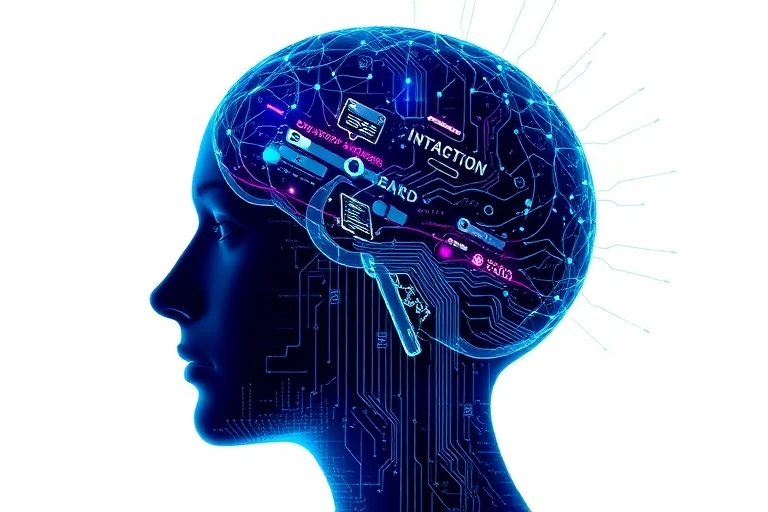
Biohacking methods aim to enhance mental acuity and performance.
One prominent technique is Transcranial Direct Current Stimulation (tDCS), which involves applying a low-level electrical current to specific areas of the scalp. This current modulates neuronal excitability, making neurons either more or less likely to fire, depending on the polarity. Research suggests tDCS can temporarily enhance cognitive functions like working memory, learning, and decision-making, though long-term effects and optimal parameters are still under investigation.
Similarly, Transcranial Alternating Current Stimulation (tACS) uses oscillating electrical currents to entrain brain rhythms, potentially synchronizing neural activity associated with specific cognitive states. This method aims to directly influence brainwave patterns, such as alpha, beta, or gamma oscillations, which are linked to different levels of alertness, focus, and information processing. The precision required for effective tACS application highlights the complexity of brain rhythm modulation.
Neurofeedback, another sophisticated biohacking tool, allows individuals to train their brain activity in real-time. By monitoring brainwaves via EEG and providing visual or auditory feedback, users learn to self-regulate specific neural patterns associated with desired cognitive states, such as increased focus or reduced anxiety. This technique leverages operant conditioning principles to induce lasting changes in brain function, requiring consistent practice and expert guidance.
While the scientific community is exploring the therapeutic potential of these techniques for conditions like depression, ADHD, and chronic pain, their use for cognitive enhancement by healthy individuals raises significant questions. The efficacy, safety, and potential side effects of self-administered or unregulated biohacking practices are often not fully understood. Rigorous scientific validation and standardized protocols are critical to ensure responsible adoption.
The appeal of cognitive biohacking lies in its promise of unlocking untapped mental reserves. However, the complexity of brain function means that interventions can have unintended consequences. A holistic approach, combining technological tools with established practices for brain health, remains the most prudent path for those seeking to optimize their cognitive abilities sustainably and safely.
Mind-Machine Interfaces (BMIs): Bridging the Gap
Mind-Machine Interfaces, often referred to as Brain-Computer Interfaces (BCIs) or Brain-Machine Interfaces (BMIs), represent the pinnacle of neurotechnological ambition. These systems establish a direct communication pathway between the brain and an external device, bypassing conventional motor output. Their potential applications span from restoring lost sensory and motor functions to enabling entirely new forms of human-computer interaction.
BMIs are broadly categorized into two types: invasive and non-invasive. Invasive BMIs involve surgically implanting electrodes directly into the brain tissue, offering high signal resolution and bandwidth. These devices are primarily used in medical applications, such as controlling robotic prosthetics for individuals with paralysis or enabling communication for those with locked-in syndrome. Examples include the Utah Array and the BrainGate system, which have demonstrated remarkable success in allowing users to manipulate cursors, type, and even move robotic limbs with thought alone.
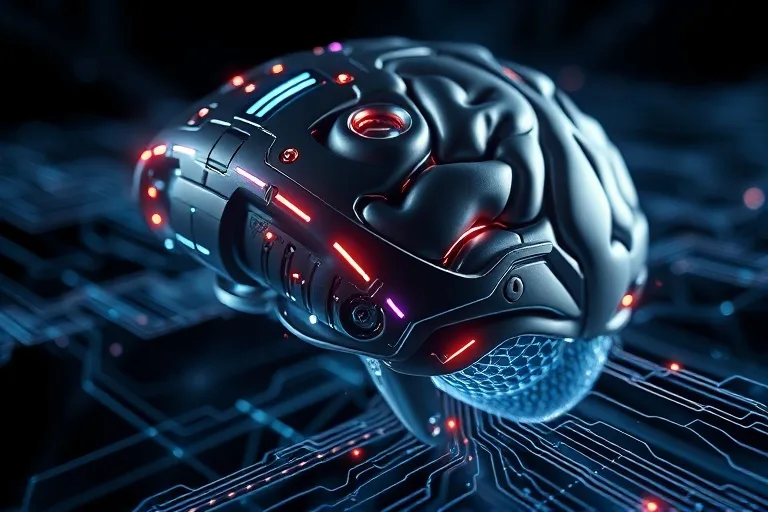
Mind-machine interfaces are evolving to create seamless neural connections.
Non-invasive BMIs, on the other hand, do not require surgery and typically rely on external sensors like EEG caps. While offering lower signal fidelity compared to invasive methods, they are safer and more accessible. These are currently used in applications such as controlling drones, playing video games, or for neurofeedback training. The development of more sophisticated signal processing algorithms and dry electrode technologies is continuously improving their performance and usability.
The technical challenges in BMI development are substantial. They include improving signal-to-noise ratio, ensuring long-term biocompatibility of implanted devices, and developing robust decoding algorithms that can accurately translate complex neural signals into actionable commands. Furthermore, the brain's inherent variability and adaptability mean that BMI systems must be highly personalized and capable of continuous learning and recalibration.
Beyond therapeutic uses, the concept of BMIs for augmentation is gaining traction. Companies are exploring consumer-grade devices that could allow users to interact with digital environments, enhance cognitive abilities, or even share thoughts directly. This vision of a "connected brain" raises profound questions about the future of human interaction, communication, and identity, pushing the boundaries of what it means to be human.
Challenges and Ethical Dilemmas
The rapid advancement of neurotechnologies, while promising immense benefits, also introduces a complex array of ethical, legal, and societal challenges. These dilemmas demand careful consideration and proactive regulatory frameworks to ensure responsible development and equitable access. Addressing these issues is paramount to preventing unintended consequences and fostering public trust.
One of the most pressing concerns is brain privacy and data security. Neurotechnologies generate vast amounts of highly sensitive neural data, which could reveal thoughts, emotions, and personal predispositions. Protecting this "neurodata" from unauthorized access, misuse, or commercial exploitation is a critical challenge. Existing data protection laws may not be sufficient to cover the unique nature of brain activity information, necessitating new legal paradigms.
Another significant ethical consideration is the potential for cognitive inequality. If advanced brain optimization and BMI technologies become prohibitively expensive or exclusive, they could exacerbate existing social and economic disparities. This could create a divide between those who can afford cognitive enhancement and those who cannot, leading to a "neuro-elite" with unfair advantages in education, employment, and overall life opportunities.
The concept of personal autonomy and identity is also at stake. As neurotechnologies become more sophisticated, questions arise about the extent to which external devices might influence or even alter an individual's thoughts, decisions, or sense of self. Ensuring informed consent for invasive procedures and understanding the psychological impact of neural augmentation are crucial. The line between therapy and enhancement, and between human and machine, becomes increasingly blurred.
Furthermore, the safety and long-term effects of these technologies require extensive research. While non-invasive methods are generally considered safe for short-term use, their long-term impact on brain health and function is still largely unknown. Invasive devices carry risks of infection, tissue damage, and potential neurophysiological changes. Rigorous clinical trials and post-market surveillance are essential to establish their safety profiles.
Finally, the question of accountability for actions performed via BMIs needs to be addressed. If a person commits an act using a prosthetic limb controlled by their thoughts, or if an AI-powered neurodevice malfunctions, who is responsible? These complex legal and ethical questions require interdisciplinary dialogue among neuroscientists, ethicists, lawyers, policymakers, and the public to develop comprehensive guidelines and regulations.
The Future Landscape: Integration and Evolution
The future of neurotechnologies for brain optimization and mind-machine interfaces is poised for exponential growth, driven by continued scientific breakthroughs and technological convergence. We are entering an era where personalized neuro-optimization will become increasingly sophisticated, moving beyond generic interventions to highly tailored approaches based on individual neural profiles. This personalized medicine paradigm will leverage advanced diagnostics and AI to create bespoke enhancement and therapeutic strategies.
One key trend is the deeper integration of artificial intelligence and machine learning into neurotechnology. AI will not only refine signal processing and decoding for BMIs but also enable predictive modeling of brain states, allowing for proactive interventions. Imagine AI systems that can anticipate neurological events or optimize cognitive performance in real-time, adapting to the user's specific needs and environment. This symbiotic relationship will unlock unprecedented levels of control and understanding.
The development of advanced materials and miniaturization will lead to less invasive and more seamless neurodevices. Flexible electronics, bio-integrable materials, and wireless power transfer will enable implants that are virtually undetectable and require minimal maintenance. This will expand the accessibility and appeal of neurotechnologies, moving them from specialized medical settings to broader consumer applications, while maintaining safety and efficacy.
Furthermore, research into neuroplasticity and targeted neuromodulation will continue to deepen. A more profound understanding of how the brain adapts and reorganizes itself will inform the design of interventions that promote lasting cognitive changes. This could involve technologies that specifically enhance learning mechanisms, bolster memory consolidation, or even facilitate recovery from brain injury by guiding neural rewiring.
The concept of augmented cognition, where human intelligence is directly enhanced by technology, will become a reality. This could manifest as seamless access to vast amounts of information, enhanced sensory perception, or even direct thought-to-thought communication in controlled environments. Such advancements promise to fundamentally alter human capabilities and interaction, opening new frontiers for creativity, problem-solving, and collective intelligence.
However, this future also necessitates robust ethical frameworks and societal dialogue. As neurotechnologies become more powerful and pervasive, ensuring equitable access, safeguarding individual autonomy, and preventing misuse will be paramount. The journey into advanced brain optimization is not merely a technological one; it is a profound exploration of what it means to be human in an increasingly interconnected and augmented world. The responsible stewardship of these innovations will determine whether they lead to a future of unprecedented human flourishing or one fraught with unforeseen challenges.
Source: Hybrid content assisted by AIs and human editorial supervision.


Comentarios