
Gut-Brain-Hormone Axis: Microbiome Impact on Health
Gut-Brain-Hormone Axis: Microbiome's Profound Impact on Health
The human body is an intricate network of interconnected systems, and among the most fascinating and increasingly understood is the "Gut-Brain-Hormone Axis." This complex bidirectional communication pathway highlights how the gut microbiome, the brain, and the endocrine system (responsible for hormones) constantly interact, influencing everything from mood and cognitive function to metabolic health and immune responses. Understanding this axis is crucial for a holistic approach to well-being, moving beyond treating symptoms to addressing root causes.
Recent scientific advancements have illuminated the profound role of the gut microbiome – the trillions of microorganisms residing in our digestive tract – in orchestrating this delicate balance. Far from being mere passengers, these microbial inhabitants actively participate in vital physiological processes, including nutrient absorption, vitamin synthesis, and the modulation of neurotransmitters and hormones. Their collective influence extends deep into our biology, shaping our physical and mental health in ways previously unimagined.
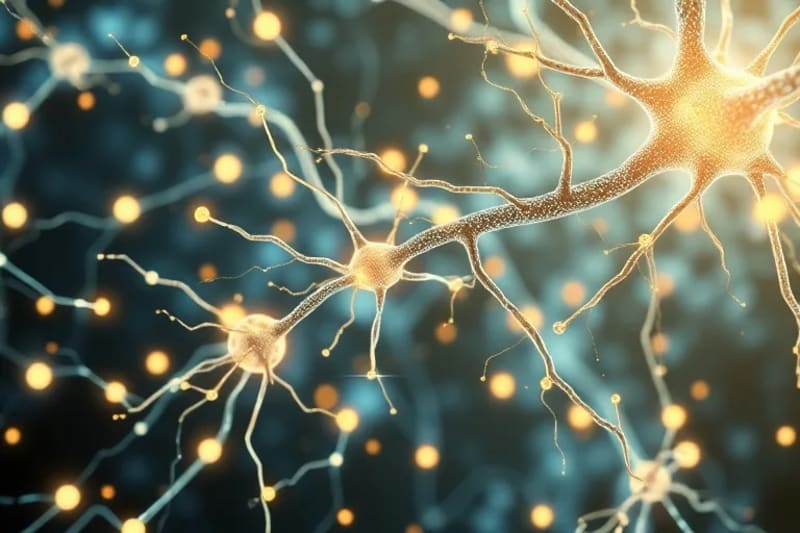
A visual representation of the intricate biological communication pathways within the human body.
This article delves into the science behind the Gut-Brain-Hormone Axis, exploring how the microbiome acts as a central player in maintaining hormonal equilibrium and fostering mental resilience. We will examine the mechanisms of communication, the impact of dysbiosis, and practical strategies to support a healthy microbial ecosystem for overall health optimization. The insights presented here are based on peer-reviewed scientific research and established physiological principles.
Table of Contents
- Understanding the Gut-Brain-Hormone Axis
- The Microbiome's Role in Hormonal Balance
- Gut Microbiome and Mental Health
- Dysbiosis: Implications for Hormonal and Mental Health
- Strategies for Optimizing Gut Health and the Axis
- Future Directions and Research
Understanding the Gut-Brain-Hormone Axis
The concept of the Gut-Brain-Hormone Axis recognizes that the digestive system, the central nervous system, and the endocrine system are not isolated entities but rather an integrated communication network. This communication occurs through various pathways, including the vagus nerve, the immune system, and the metabolites produced by gut bacteria. Each component plays a critical role in sensing, processing, and responding to internal and external stimuli.
The vagus nerve, a major component of the parasympathetic nervous system, serves as a direct neural highway between the gut and the brain. It transmits signals from the gut to the brain, influencing mood, stress responses, and satiety. Conversely, the brain can also send signals to the gut, affecting motility, secretion, and even the composition of the microbiome. This bidirectional signaling ensures constant feedback and regulation.
Beyond direct neural connections, the immune system acts as another crucial mediator. The gut houses a significant portion of the body's immune cells, and gut microbes interact extensively with these cells. This interaction can lead to the production of inflammatory or anti-inflammatory cytokines, which can then travel through the bloodstream to the brain and endocrine glands, affecting their function. Chronic low-grade inflammation originating in the gut can have far-reaching systemic consequences.
The Microbiome's Role in Hormonal Balance
The gut microbiome exerts a profound influence on the body's hormonal balance, impacting various endocrine systems. One of the most well-studied aspects is its role in estrogen metabolism. Certain gut bacteria produce an enzyme called beta-glucuronidase, which can deconjugate estrogen, allowing it to be reabsorbed into circulation. An imbalanced microbiome, or "estrobolome," can lead to altered estrogen levels, potentially contributing to conditions like polycystic ovary syndrome (PCOS), endometriosis, and even certain hormone-sensitive cancers.
Furthermore, the microbiome influences thyroid hormone regulation. Gut bacteria are involved in the conversion of inactive thyroid hormone (T4) to its active form (T3). Dysbiosis can impair this conversion, potentially contributing to suboptimal thyroid function even when standard thyroid tests appear normal. The gut-thyroid axis is an emerging area of research, highlighting another layer of microbial control over endocrine health.

Microscopic view of the beneficial bacteria thriving within a healthy gut environment.
The gut microbiome also plays a critical role in regulating stress hormones, particularly cortisol. Through its interaction with the hypothalamic-pituitary-adrenal (HPA) axis, the microbiome can modulate the body's stress response. A healthy and diverse microbiome can help buffer the effects of stress, leading to a more balanced cortisol profile. Conversely, dysbiosis can exacerbate stress responses, creating a vicious cycle of hormonal dysregulation and increased susceptibility to stress-related disorders.
Insulin sensitivity and glucose metabolism are also significantly impacted by gut bacteria. Specific microbial species and their metabolites, such as short-chain fatty acids (SCFAs), can improve insulin signaling and reduce inflammation, contributing to better blood sugar control. Disruptions in the gut microbiome have been linked to insulin resistance and an increased risk of type 2 diabetes. This highlights the broad metabolic implications of a balanced gut ecosystem.
Gut Microbiome and Mental Health
The connection between the gut and the brain, often referred to as the "gut-brain axis," has gained significant attention in mental health research. The gut microbiome is a key player in this axis, influencing brain function, mood, and behavior. It does so by producing neurotransmitters, modulating inflammation, and influencing the integrity of the blood-brain barrier.
Many neurotransmitters crucial for mental health are either produced in the gut or influenced by gut bacteria. For instance, approximately 90% of the body's serotonin, a key neurotransmitter involved in mood regulation, is synthesized in the gut. Gut microbes can directly produce or influence the production of serotonin, dopamine, GABA, and other neuroactive compounds. Imbalances in these microbial-derived compounds can contribute to mood disorders like depression and anxiety.
Chronic inflammation, often initiated or exacerbated by an unhealthy gut, is increasingly recognized as a contributing factor to various mental health conditions. When the gut barrier becomes compromised ("leaky gut"), bacterial components and inflammatory molecules can enter the bloodstream, triggering systemic inflammation that can cross the blood-brain barrier. This neuroinflammation can impair neuronal function and contribute to symptoms of depression, anxiety, and cognitive decline.
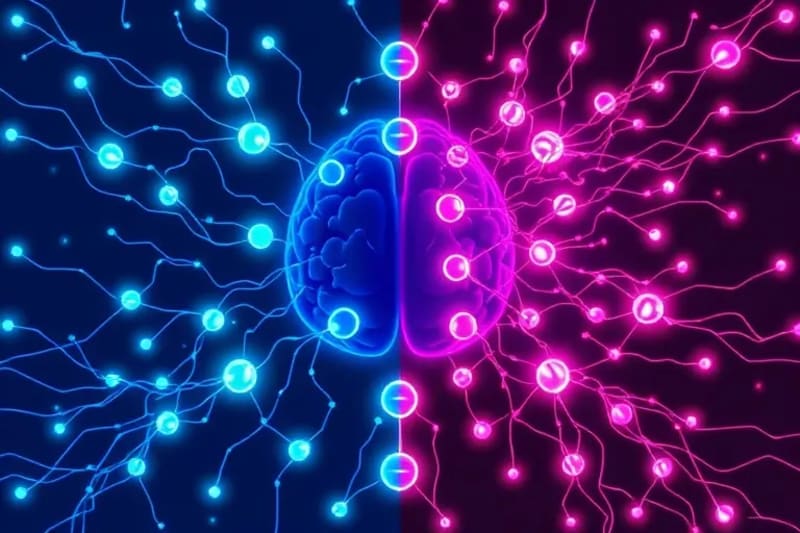
An abstract visualization depicting the complex interplay of signals that maintain internal physiological harmony.
Research has shown that individuals with mental health disorders often exhibit distinct patterns of gut dysbiosis compared to healthy controls. Studies involving fecal microbiota transplantation (FMT) in animal models have demonstrated that transferring gut microbiota from depressed individuals to germ-free mice can induce depressive-like behaviors in the recipients. This provides compelling evidence for the causal link between the microbiome and mental health. For further insights into the brain's complexities, explore topics like Neurotechnologies Brain Optimization.
Dysbiosis: Implications for Hormonal and Mental Health
Dysbiosis, an imbalance in the gut microbial community, is a common thread linking various health issues, including hormonal disruptions and mental health challenges. This imbalance can manifest as an overgrowth of harmful bacteria, a reduction in beneficial species, or a loss of overall microbial diversity. The implications of dysbiosis extend far beyond digestive discomfort.
From a hormonal perspective, dysbiosis can lead to:
- Estrogen Imbalance: As mentioned, an altered estrobolome can contribute to estrogen dominance or deficiency, impacting reproductive health, mood, and even bone density.
- Cortisol Dysregulation: Chronic stress and dysbiosis can create a feedback loop, leading to sustained high cortisol levels, which can impair immune function, sleep, and metabolism.
- Thyroid Dysfunction: Impaired conversion of thyroid hormones due to gut issues can lead to symptoms like fatigue, weight gain, and cognitive fog, even with normal TSH levels.
- Insulin Resistance: Changes in gut microbiota composition can reduce insulin sensitivity, increasing the risk of metabolic syndrome and type 2 diabetes.
In terms of mental health, dysbiosis is associated with:
- Increased Anxiety and Depression: Altered neurotransmitter production and neuroinflammation can directly contribute to these conditions.
- Cognitive Impairment: Brain fog, memory issues, and difficulty concentrating can be linked to gut-derived inflammation and microbial metabolites.
- Altered Stress Response: A compromised gut microbiome can heighten the body's reactivity to stress, making individuals more vulnerable to stress-related disorders.
- Neurodevelopmental Disorders: Emerging research suggests a potential link between early life gut dysbiosis and conditions like autism spectrum disorder.
Strategies for Optimizing Gut Health and the Axis
Given the profound impact of the gut microbiome on hormonal balance and mental health, implementing strategies to foster a healthy gut ecosystem is paramount. These strategies often involve dietary modifications, lifestyle adjustments, and targeted supplementation.
Dietary Interventions:
- Fiber-Rich Foods: Consume a wide variety of plant-based foods, including fruits, vegetables, legumes, and whole grains. Dietary fiber acts as prebiotics, feeding beneficial gut bacteria.
- Fermented Foods: Incorporate foods like yogurt, kefir, sauerkraut, kimchi, and kombucha, which contain live beneficial bacteria (probiotics).
- Polyphenol-Rich Foods: Berries, dark chocolate, green tea, and colorful vegetables contain polyphenols that support microbial diversity and have antioxidant properties.
- Limit Processed Foods: Reduce intake of sugar, artificial sweeteners, and highly processed foods, which can negatively impact gut microbial composition and promote inflammation.
Lifestyle Adjustments:
- Stress Management: Chronic stress is detrimental to gut health. Practices like mindfulness, meditation, yoga, and spending time in nature can help regulate the HPA axis and support a healthy microbiome.
- Adequate Sleep: Sleep deprivation can negatively impact gut microbiota diversity and gut barrier function. Aim for 7-9 hours of quality sleep per night. For deeper insights into optimizing sleep, consider reading about Biohacking Sleep: Genetics, Rhythms, Longevity.
- Regular Exercise: Physical activity can enhance gut microbial diversity and improve gut motility, contributing to overall digestive health.
- Avoid Unnecessary Antibiotics: While essential for bacterial infections, overuse of antibiotics can decimate beneficial gut bacteria.
Targeted Supplementation:
- Probiotics: Specific strains of probiotics can be beneficial for various conditions, but it's important to choose products with clinically studied strains and consult a healthcare professional.
- Prebiotics: Supplements like inulin or FOS (fructooligosaccharides) can selectively feed beneficial gut bacteria.
- Omega-3 Fatty Acids: These can reduce inflammation and support gut barrier integrity.
- Vitamin D: Plays a role in immune modulation and gut health.
Future Directions and Research
The field of the Gut-Brain-Hormone Axis is rapidly evolving, with ongoing research continually uncovering new mechanisms and therapeutic possibilities. Future studies are likely to focus on personalized interventions, leveraging advanced diagnostics to tailor dietary and lifestyle recommendations based on an individual's unique microbiome composition. This precision approach holds immense promise for optimizing health outcomes.
One exciting area of research involves the development of "psychobiotics" – probiotics specifically designed to confer mental health benefits. These targeted interventions could offer novel approaches for managing anxiety, depression, and stress-related disorders. Additionally, a deeper understanding of specific microbial metabolites and their interaction with host physiology will pave the way for more sophisticated therapeutic strategies.
The integration of multi-omics technologies (genomics, metabolomics, proteomics) will provide a more comprehensive picture of the complex interactions within the axis. This holistic data will enable researchers to identify specific biomarkers for dysbiosis and predict individual responses to interventions. Ultimately, the goal is to harness the power of the microbiome to promote not just digestive health, but also robust hormonal balance and enduring mental well-being, transforming the landscape of preventive and personalized medicine.
Source: Hybrid content assisted by AIs and human editorial supervision.


Comentarios