
Functional Nutrition Gut-Brain Axis Mental Health
The intricate relationship between our gut and brain, often referred to as the gut-brain axis, is a rapidly evolving field of scientific inquiry. This bidirectional communication pathway plays a pivotal role in regulating not only digestive health but also our mood, cognitive function, and overall mental well-being. Functional nutrition, a personalized and holistic approach to diet, leverages this understanding to optimize mental health by addressing the root causes of imbalances within the gut ecosystem.
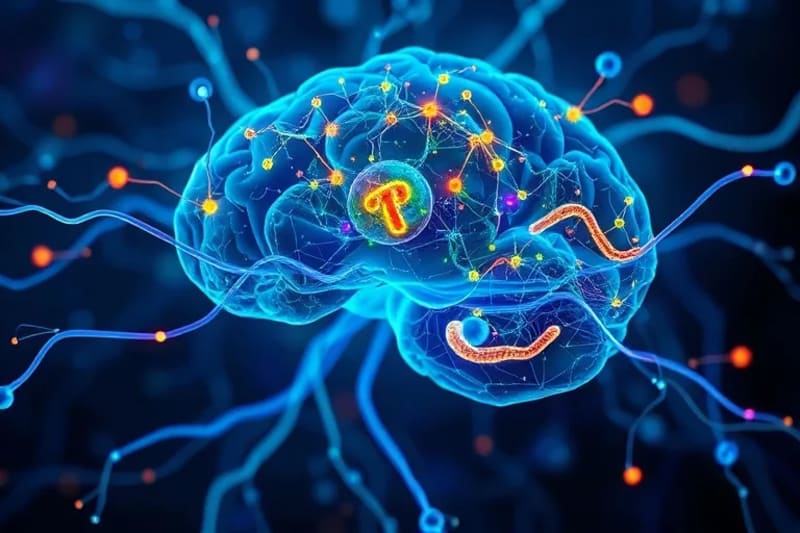
An abstract visualization of the profound and complex connection within the gut-brain axis, highlighting neural and microbial interplay.
Traditional approaches to mental health often focus on pharmacological interventions or psychotherapy, which are undoubtedly crucial. However, emerging research increasingly highlights the significant impact of diet and gut health on neurological and psychological states. Functional nutrition offers a complementary perspective, emphasizing food as medicine and tailoring dietary plans to individual needs, genetic predispositions, and lifestyle factors to foster a healthy gut environment that supports optimal brain function.
This comprehensive guide delves into the science behind the gut-brain axis, explores the role of the gut microbiome in mental health, and outlines practical functional nutrition strategies to enhance cognitive and emotional well-being. By understanding how our diet influences our inner ecosystem, we can make informed choices that promote lasting mental resilience and vitality.
Table of Contents
- Understanding the Gut-Brain Axis
- The Gut Microbiome and Mental Health
- Inflammation: The Bridge Between Gut and Brain
- Key Nutrients for Optimal Brain Health
- Principles of Functional Nutrition for Mental Well-being
- Effective Dietary Strategies
- The Role of Lifestyle Factors
- Challenges and Future Directions
- Conclusion: A Holistic Path to Mental Wellness
Understanding the Gut-Brain Axis
The gut-brain axis is a complex communication network that links the central nervous system (CNS) with the enteric nervous system (ENS), which is often referred to as the "second brain" due to its extensive neuronal network within the gastrointestinal tract. This bidirectional highway involves multiple pathways, including neural, endocrine, and immune signaling, all modulated by the gut microbiome.
One of the primary neural connections is the vagus nerve, the longest cranial nerve, which directly transmits signals from the gut to the brain and vice versa. This nerve acts as a crucial information superhighway, influencing everything from digestion to stress responses and emotional regulation. Studies have shown that vagal nerve stimulation can impact mood disorders, underscoring its importance in mental health.
Beyond direct neural links, the gut and brain communicate through endocrine signals. The gut produces various hormones that can influence brain function, including peptides that regulate appetite, satiety, and even mood. For instance, serotonin, a key neurotransmitter associated with feelings of well-being, is predominantly produced in the gut, not the brain, highlighting the gut's profound influence on our emotional state.
Furthermore, the immune system plays a significant role in this axis. The gut houses a substantial portion of the body's immune cells. When the gut is compromised, it can trigger systemic inflammation, which has been consistently linked to various mental health conditions, including depression and anxiety. This intricate interplay demonstrates that gut health is not merely about digestion but is fundamental to our overall physiological and psychological balance.
The Gut Microbiome and Mental Health
At the heart of the gut-brain axis lies the gut microbiome – a vast ecosystem of trillions of microorganisms, including bacteria, viruses, fungi, and archaea, residing in our digestive tract. This microbial community is not merely a passive inhabitant; it actively participates in numerous physiological processes that directly impact brain health and mental function.
A diverse and balanced microbiome is crucial for optimal health. These microbes break down complex carbohydrates into short-chain fatty acids (SCFAs) like butyrate, propionate, and acetate, which serve as vital energy sources for colon cells and possess anti-inflammatory properties. Butyrate, in particular, has been shown to support brain health by crossing the blood-brain barrier and influencing neurotransmitter production and neuronal function.

A vibrant selection of nutrient-dense foods, including fresh produce and fermented items, essential for a thriving gut microbiome.
Furthermore, gut microbes are prolific producers of neurotransmitters and their precursors. They synthesize GABA, a calming neurotransmitter, and influence the production of serotonin and dopamine, both critical for mood regulation, motivation, and pleasure. An imbalance in the gut microbiome, known as dysbiosis, can disrupt these processes, contributing to symptoms of anxiety, depression, and even neurodegenerative conditions.
Research indicates that specific microbial strains can exert psychobiotic effects, meaning they can positively influence mental health. For example, certain Lactobacillus and Bifidobacterium species have been linked to reduced anxiety and improved mood. This understanding opens new avenues for therapeutic interventions targeting the microbiome to support mental well-being.
The gut microbiome also plays a role in educating the immune system and maintaining the integrity of the gut barrier. A healthy gut lining prevents harmful substances from entering the bloodstream, thus reducing systemic inflammation. When this barrier is compromised, a condition often called "leaky gut," it can lead to chronic low-grade inflammation that affects brain function and mental health.
Inflammation: The Bridge Between Gut and Brain
Chronic low-grade inflammation is a pervasive issue in modern society, driven by factors such as poor diet, stress, and environmental toxins. This inflammation is not confined to specific organs but can become systemic, impacting virtually every bodily system, including the brain. In the context of the gut-brain axis, inflammation acts as a critical link, translating gut dysregulation into neurological and psychological symptoms.
When the gut barrier is compromised (increased intestinal permeability or "leaky gut"), undigested food particles, toxins, and microbial components can leak into the bloodstream. This triggers an immune response, leading to systemic inflammation. Inflammatory cytokines, signaling molecules produced by immune cells, can then cross the blood-brain barrier, directly affecting brain function.
In the brain, these inflammatory processes can disrupt neurotransmitter balance, impair neurogenesis (the creation of new brain cells), and damage neuronal pathways. This neuroinflammation is increasingly recognized as a contributing factor to various mental health conditions, including major depressive disorder, anxiety disorders, and even neurodegenerative diseases like Alzheimer's and Parkinson's.
Functional nutrition aims to mitigate this inflammatory cascade by restoring gut integrity and reducing sources of inflammation. This involves identifying and eliminating dietary triggers, promoting a diverse and healthy gut microbiome, and providing anti-inflammatory nutrients. By addressing inflammation at its source in the gut, functional nutrition offers a powerful strategy for protecting and enhancing mental health.
Key Nutrients for Optimal Brain Health
A well-nourished body provides the building blocks and fuel necessary for optimal brain function and mental resilience. Functional nutrition emphasizes the intake of specific nutrients that directly support the gut-brain axis and neurological health. These include:
- Omega-3 Fatty Acids: Found in fatty fish, flaxseeds, and walnuts, EPA and DHA are crucial for brain structure and function. They have potent anti-inflammatory properties and are vital for neurotransmitter signaling, with studies linking higher intake to reduced symptoms of depression and anxiety.
- B Vitamins: B6, B9 (folate), and B12 are essential for neurotransmitter synthesis and methylation processes, which are critical for mood regulation. Deficiencies can lead to fatigue, irritability, and cognitive decline.
- Magnesium: Involved in over 300 enzymatic reactions, magnesium plays a key role in nerve function, muscle relaxation, and stress reduction. It can help regulate the HPA axis, the body's central stress response system.
- Zinc: An important mineral for immune function and neurotransmitter modulation. Zinc deficiency has been linked to depression and impaired cognitive function.
- Antioxidants: Vitamins C and E, selenium, and various phytochemicals (from fruits, vegetables, and spices) protect brain cells from oxidative stress and inflammation, supporting overall brain health.
- Probiotics: Live beneficial bacteria found in fermented foods (yogurt, kefir, sauerkraut) or supplements. They help restore microbial balance, enhance gut barrier function, and can influence neurotransmitter production.
- Prebiotics: Non-digestible fibers that feed beneficial gut bacteria, found in foods like garlic, onions, leeks, asparagus, and bananas. They promote a diverse microbiome and increase SCFA production.
- Amino Acids: Tryptophan, a precursor to serotonin, and tyrosine, a precursor to dopamine and norepinephrine, are essential for mood and cognitive function. These are obtained from protein-rich foods.
Ensuring adequate intake of these nutrients through a diverse, whole-food diet is a cornerstone of functional nutrition for mental health. In some cases, targeted supplementation may be recommended under professional guidance to address specific deficiencies or therapeutic needs.
Principles of Functional Nutrition for Mental Well-being
Functional nutrition differs from conventional dietary advice by adopting a highly personalized and systems-oriented approach. It focuses on identifying and addressing the root causes of health imbalances rather than merely treating symptoms. When applied to mental health, its core principles include:
- Individualized Assessment: Recognizing that each person is biochemically unique, functional nutrition involves a thorough assessment of an individual's health history, genetics, lifestyle, and dietary habits. This often includes advanced laboratory testing to identify nutrient deficiencies, food sensitivities, gut dysbiosis, and inflammatory markers.
- Whole Foods Emphasis: Prioritizing unprocessed, nutrient-dense whole foods that provide a wide spectrum of vitamins, minerals, antioxidants, and fiber. This means reducing reliance on processed foods, refined sugars, and unhealthy fats, which can promote inflammation and gut dysbiosis.
- Gut Health Restoration: A primary focus is on healing and optimizing gut function. This involves strategies to remove pathogens, repair the gut lining, reintroduce beneficial bacteria, and replace digestive enzymes or stomach acid if needed.
- Inflammation Management: Identifying and eliminating dietary and lifestyle factors that contribute to chronic inflammation. This often includes anti-inflammatory foods like colorful fruits and vegetables, omega-3s, and specific herbs and spices.
- Blood Sugar Regulation: Maintaining stable blood sugar levels is crucial for brain health and mood stability. Functional nutrition guides individuals to choose foods that prevent rapid spikes and crashes, reducing irritability, fatigue, and anxiety.
- Detoxification Support: Supporting the body's natural detoxification pathways through nutrient-rich foods and adequate hydration. A healthy liver and efficient elimination are vital for clearing toxins that can impact brain function.
- Mind-Body Connection: Acknowledging the interplay between psychological stress and physiological health. Functional nutrition integrates stress management techniques, adequate sleep, and physical activity as integral components of a mental wellness plan.
By systematically addressing these areas, functional nutrition aims to create an internal environment that fosters mental clarity, emotional balance, and resilience against stress and mood disorders. It empowers individuals to take an active role in their mental health journey through informed dietary and lifestyle choices.
Effective Dietary Strategies
Implementing functional nutrition principles often involves adopting specific dietary patterns known for their beneficial effects on the gut-brain axis. While personalization is key, several well-researched approaches serve as excellent starting points:
- Mediterranean Diet: Rich in fruits, vegetables, whole grains, legumes, nuts, seeds, and olive oil, with moderate consumption of fish and poultry. This diet is highly anti-inflammatory, provides ample fiber for gut microbes, and is associated with a lower risk of depression and cognitive decline.
- DASH Diet (Dietary Approaches to Stop Hypertension): While designed for blood pressure, its emphasis on fruits, vegetables, whole grains, lean protein, and low-fat dairy, while limiting saturated fats and sugars, also supports gut and brain health.
- Elimination Diets: For individuals with suspected food sensitivities (e.g., gluten, dairy, soy), an elimination diet can help identify triggers that contribute to inflammation and gut symptoms, which in turn affect mental health. This should always be done under professional guidance.
- GAPS Diet (Gut and Psychology Syndrome Diet): A more restrictive approach focused on healing the gut lining and restoring microbial balance, often used for individuals with severe gut dysbiosis and neurological symptoms. It emphasizes nutrient-dense, easily digestible foods and fermented products.
- Ketogenic Diet (Therapeutic Ketosis): In some cases, a carefully managed ketogenic diet (high fat, very low carb) has shown promise in neurological conditions and mood disorders, possibly by altering brain energy metabolism and reducing neuroinflammation. This requires strict medical supervision.
- Mind Diet (Mediterranean-DASH Intervention for Neurodegenerative Delay): A hybrid of the Mediterranean and DASH diets, specifically tailored to promote brain health and reduce the risk of Alzheimer's disease. It emphasizes berries, leafy greens, nuts, and whole grains.
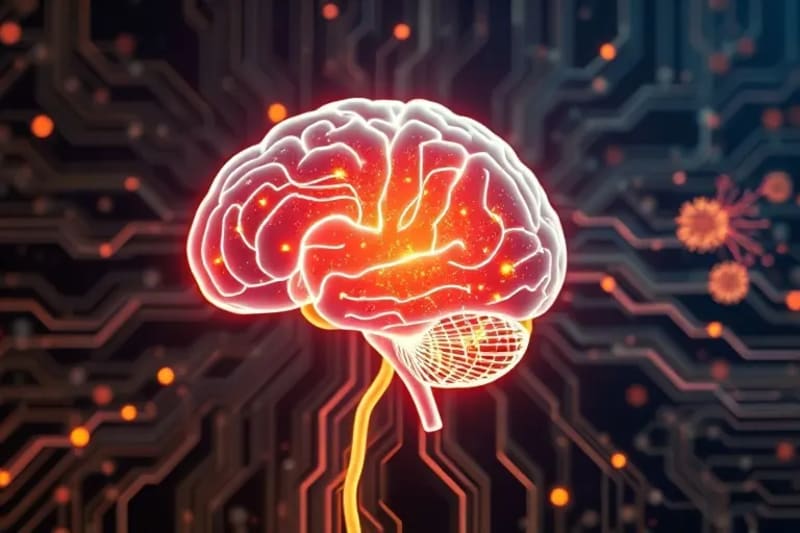
A conceptual digital artwork illustrating the intricate and dynamic interplay between brain function and the gut's microbial ecosystem.
Beyond specific diets, general strategies include increasing fiber intake from diverse plant sources, incorporating fermented foods daily, ensuring adequate hydration, and consuming healthy fats. The key is consistency and finding a sustainable eating pattern that supports individual health goals and preferences.
The Role of Lifestyle Factors
While nutrition is foundational, functional medicine recognizes that mental health is influenced by a broader array of lifestyle factors. These elements interact synergistically with diet to shape the gut-brain axis and overall well-being. Neglecting these aspects can undermine even the most meticulously planned nutritional interventions.
- Stress Management: Chronic stress is a powerful disruptor of the gut-brain axis. It can alter gut motility, increase intestinal permeability, and shift the composition of the gut microbiome. Techniques such as mindfulness meditation, deep breathing exercises, yoga, and spending time in nature are crucial for mitigating stress's negative impact.
- Quality Sleep: Sleep is essential for brain repair, memory consolidation, and emotional regulation. Poor sleep can negatively impact gut health, increase inflammation, and exacerbate mood disorders. Establishing a consistent sleep schedule, creating a relaxing bedtime routine, and optimizing the sleep environment are vital.
- Regular Physical Activity: Exercise has profound benefits for both mental and gut health. It can reduce inflammation, promote a diverse gut microbiome, and increase the production of brain-derived neurotrophic factor (BDNF), which supports brain cell growth and survival. Even moderate activity, such as walking, can make a significant difference.
- Social Connection: Humans are social beings, and strong social ties are protective against mental health issues. Isolation and loneliness can increase stress and inflammation. Fostering meaningful relationships and engaging in community activities contribute to emotional resilience.
- Exposure to Nature: Spending time outdoors, particularly in green spaces, has been shown to reduce stress, improve mood, and even positively influence the microbiome through exposure to diverse environmental microbes.
- Minimizing Environmental Toxins: Exposure to pesticides, heavy metals, and other environmental pollutants can negatively impact gut health and neurological function. Choosing organic foods, filtering water, and reducing exposure to household chemicals can support detoxification pathways.
Integrating these lifestyle practices alongside a functional nutrition plan creates a robust framework for optimizing mental health. The synergy between a healthy diet and a balanced lifestyle amplifies the positive effects on the gut-brain axis, leading to more sustainable improvements in mood, cognition, and overall vitality.
Challenges and Future Directions
While the field of functional nutrition and the gut-brain axis holds immense promise for mental health, several challenges and exciting future directions are worth noting. The complexity of the microbiome, coupled with individual variability, means that a one-size-fits-all approach is rarely effective.
One significant challenge is the lack of standardized diagnostic tools for gut dysbiosis that directly correlate with specific mental health outcomes. While advanced stool testing can provide insights into microbial composition, interpreting these results in the context of mental health symptoms remains an area of active research. Further studies are needed to establish clear causal links and identify reliable biomarkers.
Another hurdle is the integration of functional nutrition into mainstream healthcare. Many conventional practitioners are not yet trained in this holistic approach, and insurance coverage for such interventions can be limited. Bridging this gap through education and interdisciplinary collaboration is crucial for wider adoption.
Looking ahead, personalized nutrition, guided by genomics, metabolomics, and advanced microbiome analysis, is likely to become more prevalent. This will allow for even more precise dietary recommendations tailored to an individual's unique biological makeup. The development of targeted psychobiotics – specific strains of beneficial bacteria with proven mental health benefits – is also a promising area.
Furthermore, research into the impact of environmental factors, such as early life stress, antibiotic use, and exposure to nature, on the long-term development of the gut microbiome and its implications for mental health will continue to expand. Understanding these intricate interactions will pave the way for more effective preventive and therapeutic strategies.
Conclusion: A Holistic Path to Mental Wellness
The scientific evidence increasingly supports the profound connection between our gut health and mental well-being. The gut-brain axis, mediated by the complex gut microbiome, inflammation, and various signaling pathways, offers a compelling explanation for how diet and lifestyle can profoundly impact our mood, cognition, and emotional resilience.
Functional nutrition provides a powerful framework for optimizing this axis. By adopting a personalized, whole-foods-based approach, focusing on gut health restoration, managing inflammation, and integrating supportive lifestyle factors, individuals can cultivate a thriving internal environment. This holistic strategy moves beyond symptom management, addressing the root causes of mental health imbalances and empowering individuals to take an active role in their journey toward lasting wellness.
Embracing functional nutrition means recognizing that our mental health is not solely a product of our brain chemistry but is intimately linked to the health of our entire body, starting with the gut. As research continues to unravel the complexities of this fascinating connection, the potential for dietary and lifestyle interventions to transform mental health outcomes will only grow, offering hope and practical strategies for a healthier, happier future.
Fuente: Contenido híbrido asistido por IAs y supervisión editorial humana.


Comentarios