
Hormonal Health Deep Sleep: Biohacking Endocrine Balance
In our fast-paced modern world, achieving optimal hormonal health and consistently deep, restorative sleep has become a significant challenge for many. The intricate dance between our endocrine system and sleep cycles profoundly influences overall well-being, impacting everything from mood and energy levels to metabolism and immune function. This comprehensive guide delves into the science of hormonal balance and sleep, exploring advanced biohacking strategies to optimize these critical physiological processes.
Biohacking, at its core, involves making small, incremental changes to one's lifestyle, diet, and environment to improve health and performance. When applied to hormonal health and sleep, it offers a powerful framework for understanding and actively influencing the body's natural rhythms. By leveraging scientific insights and personalized approaches, individuals can unlock their full potential for vitality and longevity.

A tranquil bedroom environment, bathed in soft light, is crucial for initiating and maintaining deep, restorative sleep, directly supporting hormonal balance.
The endocrine system, a network of glands that produce and release hormones, acts as the body's primary communication system. These chemical messengers regulate virtually every bodily function, including growth, metabolism, reproduction, and mood. Sleep, often underestimated, serves as a fundamental pillar supporting this delicate hormonal equilibrium. Disruptions in sleep patterns can cascade into widespread hormonal imbalances, leading to a myriad of health issues.
Understanding the bidirectional relationship between sleep and hormones is the first step towards effective biohacking. Poor sleep can disrupt hormone production, while hormonal imbalances can, in turn, impair sleep quality. This creates a vicious cycle that, if left unaddressed, can significantly compromise health and quality of life.
Table of Contents
The Endocrine System and Sleep: An Intricate Interplay
The human body operates on a complex schedule, largely dictated by the circadian rhythm, a 24-hour internal clock that regulates sleep-wake cycles and many hormonal secretions. This rhythm is primarily influenced by light exposure, signaling to the brain when to produce sleep-inducing or wake-promoting hormones. When this rhythm is disrupted, the entire endocrine system can fall out of sync.
For instance, chronic sleep deprivation or irregular sleep patterns can lead to an overproduction of cortisol, the "stress hormone," while simultaneously suppressing melatonin, the "sleep hormone." This imbalance not only makes it harder to fall and stay asleep but also impacts other vital hormones, such as those regulating appetite and metabolism. The consequences can be far-reaching, affecting energy levels, weight management, and even cognitive function.
Scientific research consistently highlights the importance of consistent, high-quality sleep for maintaining endocrine health. Studies show that even a few nights of insufficient sleep can alter glucose metabolism, increase insulin resistance, and affect the production of growth hormone and sex hormones. This underscores the critical role of sleep as a foundational element of overall physiological balance.
Key Hormones Influenced by Sleep
Several hormones are particularly sensitive to sleep duration and quality. Understanding their roles and how sleep affects them is crucial for any biohacking approach aimed at endocrine balance.
- Melatonin: Often called the "hormone of darkness," melatonin production increases in the evening, signaling to the body that it's time to sleep. Exposure to artificial light, especially blue light, before bed can suppress melatonin production, delaying sleep onset and disrupting the circadian rhythm.
- Cortisol: This stress hormone follows a diurnal rhythm, peaking in the morning to help us wake up and gradually decreasing throughout the day. Chronic sleep deprivation can elevate evening cortisol levels, making it difficult to relax and fall asleep.
- Growth Hormone (GH): The majority of growth hormone is released during deep sleep stages. GH is vital for tissue repair, muscle growth, fat metabolism, and overall cellular regeneration. Poor sleep directly impairs its release, hindering recovery and metabolic health.
- Leptin and Ghrelin: These are appetite-regulating hormones. Leptin signals satiety, while ghrelin stimulates hunger. Sleep deprivation decreases leptin and increases ghrelin, leading to increased appetite, cravings for high-calorie foods, and potential weight gain.
- Insulin: Sleep loss can impair insulin sensitivity, meaning cells become less responsive to insulin. This can lead to higher blood sugar levels and an increased risk of type 2 diabetes.
- Sex Hormones (Testosterone, Estrogen): Adequate sleep is essential for the optimal production of sex hormones. For men, testosterone levels are significantly reduced by sleep deprivation. For women, sleep quality can impact estrogen and progesterone balance, affecting menstrual cycles and fertility.
A watercolor rendering of the intricate endocrine system, highlighting the interconnectedness of glands and their vital role in maintaining the body's internal balance.
Biohacking Strategies for Deep Sleep
Optimizing sleep is perhaps the most impactful biohack for hormonal health. These strategies aim to enhance sleep quality and duration by aligning with the body's natural rhythms and minimizing disruptions.
- Circadian Rhythm Alignment:
- Morning Light Exposure: Get 10-30 minutes of natural sunlight exposure within an hour of waking. This signals to your brain to halt melatonin production and kickstart cortisol, setting your circadian clock.
- Consistent Sleep Schedule: Go to bed and wake up at roughly the same time every day, even on weekends. This reinforces your body's natural rhythm.
- Environmental Optimization:
- Darkness: Ensure your bedroom is completely dark. Use blackout curtains, eye masks, and cover any light-emitting devices. Even small amounts of light can disrupt melatonin production.
- Temperature: Keep your bedroom cool, ideally between 60-67°F (15-19°C). A drop in core body temperature is a natural signal for sleep.
- Sound: Minimize noise with earplugs, white noise machines, or ambient sound apps.
- Pre-Sleep Routine:
- Blue Light Blockage: Avoid screens (phones, tablets, computers, TVs) for at least 1-2 hours before bed. If unavoidable, use blue light blocking glasses or screen filters.
- Relaxation Techniques: Practice mindfulness, meditation, deep breathing exercises, or a warm bath to calm the nervous system. Consider exploring neurofeedback and digital mindfulness tools.
- Avoid Stimulants: Limit caffeine intake, especially in the afternoon and evening. Be mindful of hidden caffeine in certain foods and drinks.
- Nutrition and Supplements:
- Magnesium: Supplementing with magnesium can improve sleep quality by promoting relaxation and reducing cortisol.
- L-Theanine: Found in green tea, L-Theanine can promote relaxation without drowsiness.
- Tart Cherry Juice: Contains natural melatonin and can aid sleep.
Biohacking Strategies for Hormonal Balance
Beyond direct sleep interventions, several biohacking strategies can directly support the endocrine system, creating a more robust hormonal environment.
- Nutrition for Endocrine Support:
- Whole Foods Diet: Emphasize nutrient-dense whole foods, including plenty of fruits, vegetables, lean proteins, and healthy fats. This provides the building blocks for hormone synthesis.
- Balanced Macronutrients: Ensure adequate protein intake to support satiety and muscle repair, healthy fats for hormone production (e.g., avocados, nuts, olive oil), and complex carbohydrates for sustained energy.
- Gut Health: A healthy gut microbiome is crucial for hormone metabolism and detoxification. Incorporate fermented foods and fiber-rich foods.
- Avoid Processed Foods and Sugar: These can lead to inflammation, insulin resistance, and disrupt hormonal signaling.
- Stress Management:
- Mindfulness and Meditation: Regular practice can lower cortisol levels and improve overall stress resilience.
- Deep Breathing: Simple breathing exercises can activate the parasympathetic nervous system, promoting relaxation.
- Nature Exposure: Spending time outdoors, especially in green spaces, has been shown to reduce stress hormones.
- Targeted Exercise:
- Strength Training: Builds muscle mass, which improves insulin sensitivity and can boost growth hormone and testosterone.
- High-Intensity Interval Training (HIIT): Can stimulate growth hormone release and improve metabolic health.
- Moderate Cardio: Supports cardiovascular health and stress reduction without overtaxing the system.
- Timing: Avoid intense exercise too close to bedtime, as it can elevate cortisol and interfere with sleep.
- Smart Supplementation:
- Vitamin D: Essential for numerous hormonal pathways, including sex hormone production and immune function.
- Omega-3 Fatty Acids: Reduce inflammation and support cell membrane health, crucial for hormone receptor function.
- Adaptogens (e.g., Ashwagandha, Rhodiola): Herbs that help the body adapt to stress, potentially modulating cortisol levels.

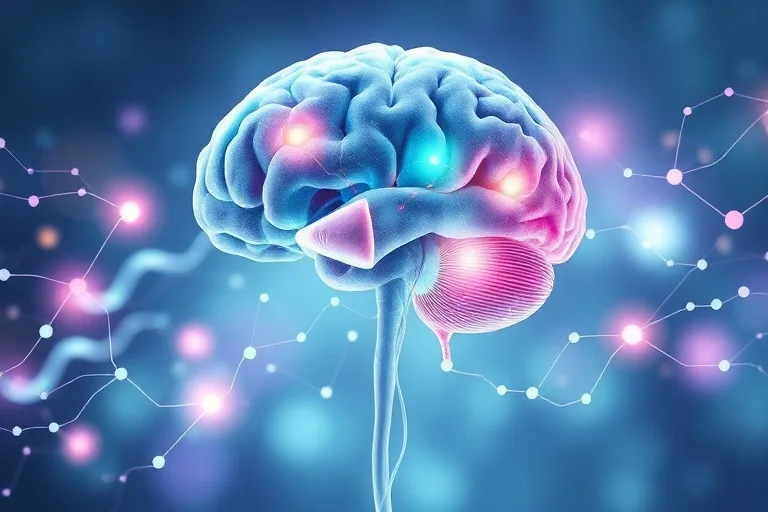
A 3D rendered abstract network of neural pathways and hormone molecules, illustrating the complex yet delicate balance required for optimal sleep and endocrine function.
Integrating Biohacking Approaches for Synergistic Effects
The true power of biohacking lies in the synergistic application of multiple strategies. Addressing sleep and hormonal health in isolation will yield limited results. Instead, a holistic approach that considers diet, exercise, stress, light exposure, and supplementation together provides the most profound benefits.
For example, improving gut health through diet directly impacts hormone metabolism and can reduce systemic inflammation, which in turn supports better sleep. Similarly, reducing chronic stress through mindfulness can lower cortisol, making it easier for melatonin to do its job and for growth hormone to be released during deep sleep. Each biohack reinforces the others, creating a virtuous cycle of improved health.
Personalization is key. What works for one individual may not work for another. It is advisable to start with foundational changes, such as optimizing sleep hygiene and diet, and then gradually introduce more targeted interventions like specific supplements or advanced tracking tools. Monitoring progress through sleep trackers, hormone panels (under medical supervision), and subjective well-being journals can help refine these strategies.
The Future of Hormonal Biohacking and Sleep Optimization
The field of biohacking is continuously evolving, with new research and technologies emerging regularly. Advances in wearable technology, for instance, offer increasingly sophisticated ways to track sleep stages, heart rate variability, and other biomarkers that provide insights into hormonal status. Continuous glucose monitors (CGMs) are becoming more accessible, allowing for real-time feedback on how diet and lifestyle choices impact blood sugar and, by extension, insulin sensitivity.
Furthermore, personalized medicine and nutrigenomics are paving the way for highly tailored biohacking protocols. Understanding an individual's genetic predispositions can inform dietary choices, exercise regimens, and supplement strategies to optimize hormonal health and sleep more effectively. As our scientific understanding deepens, the ability to precisely fine-tune our biology for peak performance and longevity will only grow.
However, it is crucial to approach biohacking with a critical and informed perspective. Not all trends are backed by robust scientific evidence, and some interventions can carry risks. Consulting with healthcare professionals, especially when considering significant dietary changes or supplementation, is always recommended. The goal is to empower individuals with knowledge and tools to take an active role in their health journey, rather than blindly following fads.
Ultimately, achieving optimal hormonal health and deep sleep is a journey, not a destination. It requires consistent effort, self-awareness, and a willingness to experiment and adapt. By embracing the principles of biohacking, individuals can cultivate a profound understanding of their bodies and unlock a new level of vitality, resilience, and well-being.
Fuente: Contenido híbrido asistido por IAs y supervisión editorial humana.


Comentarios