
Precision Functional Nutrition: Metabolomic Biohacking
In the evolving landscape of health and wellness, the paradigm is shifting from a generalized "one-size-fits-all" approach to highly individualized strategies. Precision Functional Nutrition (PFN) and Metabolomic Biohacking stand at the forefront of this revolution, offering a sophisticated framework for optimizing human health, enhancing performance, and proactively preventing disease. This advanced approach leverages cutting-edge scientific understanding of an individual's unique biological makeup to tailor dietary and lifestyle interventions with unprecedented accuracy.
Metabolomic biohacking, a core component of PFN, delves into the intricate world of metabolites – the small molecules that are the end products of metabolism. By analyzing these biomarkers, practitioners gain a real-time snapshot of an individual's physiological state, revealing how their genes, environment, and lifestyle interact. This deep insight allows for the creation of truly personalized nutritional plans, moving beyond conventional dietary advice to address the root causes of dysfunction and unlock an individual's full health potential.

State-of-the-art laboratory technology performing intricate metabolomic analysis, crucial for understanding individual biological responses to nutrition.
Table of Contents
- The Foundations of Precision Functional Nutrition
- Unveiling Metabolomic Biohacking
- Advanced Diagnostic Tools and Biomarkers
- Crafting Personalized Dietary Strategies
- Enhancing Optimal Performance: Physical and Cognitive
- Precision Nutrition in Disease Prevention and Management
- Challenges, Ethical Considerations, and Future Outlook
The Foundations of Precision Functional Nutrition
Traditional nutritional guidelines often provide broad recommendations that, while generally beneficial, fail to account for the vast individual variability in human biology. What works optimally for one person may be suboptimal or even detrimental for another. Precision Functional Nutrition acknowledges this inherent uniqueness, moving beyond population-level advice to focus on the individual's specific needs.
PFN integrates several key scientific disciplines to build a comprehensive picture of an individual's health. These pillars allow for a deep dive into the complex interplay between genetics, environment, and lifestyle factors. The goal is not just to treat symptoms but to identify and address the underlying imbalances that contribute to chronic disease and suboptimal health.
- Genomics (Nutrigenomics): This field examines how an individual's genetic makeup influences their response to nutrients and dietary components. It helps identify genetic predispositions to certain conditions or nutrient deficiencies, guiding personalized recommendations.
- Metabolomics: The large-scale study of metabolites, which are the small molecules produced during metabolism. Metabolomic profiles provide a real-time snapshot of physiological processes, reflecting current health status and responses to interventions.
- Microbiome Analysis: Understanding the composition and function of the gut microbiota is crucial, as it profoundly impacts digestion, nutrient absorption, immune function, and even mood. Dysbiosis (imbalance) in the gut microbiome is linked to numerous health issues.
- Lifestyle Factors: Beyond diet, PFN considers sleep quality, stress levels, physical activity, environmental toxins, and social connections. These elements are integral to overall health and influence how the body processes nutrients and manages stress.
This holistic and data-driven approach allows for the creation of highly targeted interventions that are far more effective than generic advice. By understanding the unique biochemical individuality of each person, PFN aims to restore balance and optimize physiological function.
Unveiling Metabolomic Biohacking
Metabolomics is the systematic study of the unique chemical fingerprints that specific cellular processes leave behind. Specifically, it is the study of their small-molecule metabolite profiles. The metabolome represents the collection of all metabolites in a biological organism, which are the final products of its genetic expression and environmental interactions.
Unlike genomics, which provides a static blueprint, metabolomics offers a dynamic view of an individual's health. It can reveal real-time responses to diet, exercise, medication, and environmental exposures. This dynamic feedback loop is precisely what makes it invaluable for biohacking.

A visual representation of how various functional foods interact with and influence the complex metabolic pathways within the human body.
Biohacking, broadly defined, is the practice of making small, incremental dietary or lifestyle changes to improve one's health and well-being. When combined with metabolomics, this practice becomes "metabolomic biohacking," a highly precise and data-driven approach to optimizing biological function. It involves using metabolic data to identify specific areas for intervention and then tracking the impact of those interventions on the metabolome.
For instance, if metabolomic analysis reveals elevated levels of inflammatory markers or deficiencies in specific amino acids, a biohacker can implement targeted dietary changes or supplement protocols. Subsequent testing can then confirm the efficacy of these interventions, allowing for continuous refinement. This iterative process empowers individuals to take control of their biological destiny, moving beyond guesswork to evidence-based self-optimization.
Advanced Diagnostic Tools and Biomarkers
The foundation of PFN and metabolomic biohacking lies in comprehensive and advanced diagnostic testing. These tools provide the granular data necessary to understand an individual's unique biochemistry, moving far beyond standard blood tests. They offer insights into cellular function, nutrient status, inflammatory pathways, and the delicate balance of the gut ecosystem.
- Genomic Sequencing and Nutrigenomic Panels: These tests analyze single nucleotide polymorphisms (SNPs) that can affect nutrient metabolism, detoxification pathways, and susceptibility to certain diseases. For example, a genetic variation in the MTHFR gene can impact folate metabolism, necessitating specific dietary or supplemental support.
- Comprehensive Metabolomic Profiling (Organic Acids Test - OAT): An OAT measures various organic acids in urine, providing a metabolic snapshot of the body's cellular functions. It can reveal markers for mitochondrial dysfunction, neurotransmitter imbalances, bacterial overgrowth (dysbiosis), yeast infections, and nutrient deficiencies (e.g., B vitamins, antioxidants).
- Gut Microbiome Analysis (Stool Testing): Advanced stool tests use DNA sequencing to identify the specific species of bacteria, fungi, and parasites residing in the gut. This provides insights into microbial diversity, the presence of beneficial or pathogenic organisms, and markers of inflammation or leaky gut. Understanding the microbiome is critical for immune health and nutrient absorption.
- Advanced Blood Panels: Beyond routine cholesterol and glucose, PFN often utilizes more detailed blood work. This includes markers like high-sensitivity C-reactive protein (hs-CRP) for inflammation, homocysteine for cardiovascular risk, advanced lipid panels (e.g., ApoB, particle size), comprehensive hormone panels (thyroid, sex hormones), and detailed nutrient status (e.g., Vitamin D, ferritin, B12).
- Amino Acid Analysis: This test measures levels of essential and non-essential amino acids, which are the building blocks of proteins and precursors to neurotransmitters. Imbalances can indicate digestive issues, protein malabsorption, or neurological dysfunction.
- Fatty Acid Profile: Analyzing the balance of omega-3, omega-6, and other fatty acids provides insights into inflammatory status, cell membrane health, and cardiovascular risk. This guides recommendations for dietary fats and supplementation.
The interpretation of these complex biomarkers requires expertise, often involving functional medicine practitioners or nutritionists trained in advanced diagnostics. The data then becomes the blueprint for highly personalized interventions, ensuring that dietary and lifestyle changes are precisely aligned with an individual's unique biological needs. For instance, a detailed analysis might reveal a specific nutrient deficiency contributing to fatigue, which can then be addressed with targeted supplementation and food choices, rather than generic energy boosters.
Crafting Personalized Dietary Strategies
With the wealth of data provided by advanced diagnostics, PFN moves beyond generalized dietary recommendations to construct highly individualized nutrition plans. This process involves a deep understanding of how specific foods and macronutrient ratios interact with an individual's unique genetic predispositions, metabolic pathways, and gut microbiome. The aim is to create a diet that supports optimal cellular function, reduces inflammation, and promotes overall well-being.
Personalized dietary strategies consider several critical factors that are often overlooked in conventional nutrition. These include the precise balance of macronutrients, the specific micronutrients required, the identification of food sensitivities, and even the timing of meals to align with an individual's circadian rhythm. This level of detail ensures that every dietary choice is a strategic one.
- Genotype-Specific Macronutrient Ratios: Genetic variations can influence how efficiently an individual metabolizes carbohydrates, fats, and proteins. Some people may thrive on a higher-fat, lower-carb diet, while others might perform better with more carbohydrates. PFN uses genetic data to recommend optimal macronutrient distributions.
- Micronutrient Supplementation: Based on blood tests and metabolomic profiles, specific deficiencies in vitamins, minerals, and cofactors can be identified. Rather than generic multivitamins, PFN prescribes targeted supplementation to address these precise needs, ensuring optimal enzyme function and cellular processes.
- Food Sensitivities and Intolerances: Metabolomic responses can reveal how an individual reacts to certain foods, even if they don't cause immediate allergic reactions. Identifying and eliminating trigger foods (e.g., gluten, dairy, specific lectins) can significantly reduce inflammation and improve gut health.
- Chrononutrition and Meal Timing: The timing of meals can impact metabolism, hormone regulation, and sleep quality. PFN considers an individual's circadian rhythm and lifestyle to recommend optimal eating windows, potentially incorporating strategies like intermittent fasting or time-restricted eating based on metabolic markers.
- Gut Microbiome Support: Dietary recommendations are often tailored to support a healthy gut microbiome. This might involve increasing prebiotic fibers, consuming fermented foods, or using specific probiotic strains identified as beneficial through stool analysis.
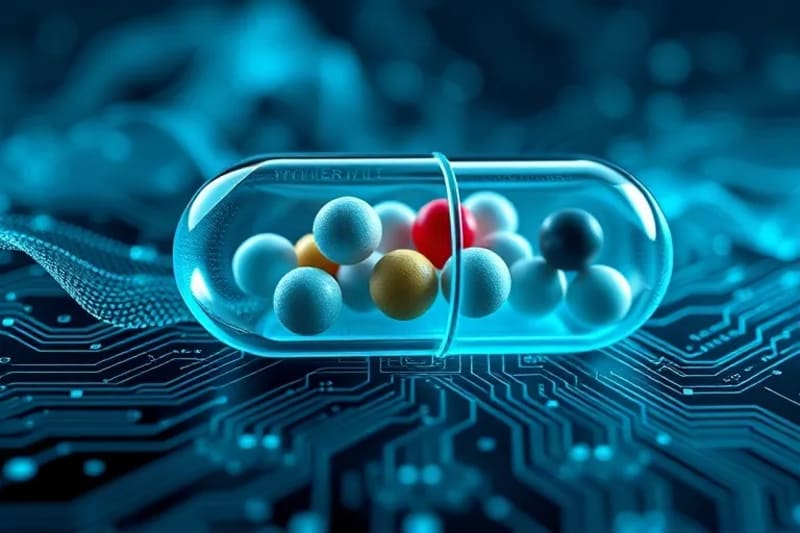
A conceptual image showcasing a personalized nutrient capsule, highlighting the future of tailored supplementation based on individual health data.
This meticulous approach to diet is not about restriction but about empowerment. By understanding how their body uniquely processes nutrients, individuals can make informed choices that actively promote health and prevent disease. The result is a dietary plan that feels intuitive and sustainable because it is perfectly aligned with one's biological blueprint. A key aspect of this is the continuous monitoring and adjustment of the plan, as metabolic needs can change over time due to aging, stress, or environmental shifts. This dynamic adaptation ensures long-term efficacy and continued optimization, making it a truly living and evolving health strategy.
Enhancing Optimal Performance: Physical and Cognitive
The pursuit of optimal performance, whether in athletic endeavors, professional productivity, or daily vitality, is a driving force behind the adoption of Precision Functional Nutrition and metabolomic biohacking. By fine-tuning the body's biochemical processes, these approaches can unlock new levels of physical prowess and cognitive sharpness, moving beyond mere absence of disease to a state of thriving.
For athletes, PFN translates into tailored strategies for energy production, recovery, and injury prevention. Understanding individual metabolic efficiency allows for precise fueling strategies that maximize endurance and strength. Cognitive performance, equally crucial in today's demanding world, benefits from optimized neurotransmitter balance and brain energy metabolism, leading to enhanced focus, memory, and mental resilience.
- Optimized Energy Production: Metabolomic analysis can identify bottlenecks in energy pathways, such as mitochondrial dysfunction or inefficient fat metabolism. Dietary adjustments and targeted supplements (e.g., L-carnitine, CoQ10) can then enhance ATP production, leading to sustained energy levels and improved athletic output.
- Reduced Inflammation and Faster Recovery: Chronic inflammation hinders performance and prolongs recovery. PFN identifies inflammatory triggers (e.g., food sensitivities, gut dysbiosis) and provides anti-inflammatory dietary protocols, often rich in omega-3 fatty acids, antioxidants, and specific polyphenols. This accelerates muscle repair and reduces post-exercise soreness.
- Enhanced Muscle Repair and Growth: Amino acid profiling can pinpoint deficiencies that limit protein synthesis. Personalized protein intake recommendations, along with specific amino acid supplementation (e.g., BCAAs, glutamine), support muscle repair, growth, and overall anabolic state, crucial for strength and power athletes.
- Neurotransmitter Balance for Cognitive Function: Metabolomic data can reveal imbalances in neurotransmitter precursors or their breakdown products. Dietary interventions focusing on specific amino acids (e.g., tyrosine for dopamine, tryptophan for serotonin) and cofactors (e.g., B vitamins, magnesium) can optimize brain chemistry, improving mood, focus, and reducing anxiety.
- Brain Energy Metabolism and Neuroprotection: The brain is a high-energy organ. PFN ensures adequate supply of brain-preferred fuels (e.g., ketones, glucose) and protects against oxidative stress through antioxidant-rich diets. This supports neuroplasticity, memory consolidation, and overall cognitive resilience against age-related decline.
The synergy between physical and cognitive performance is undeniable. An optimized body supports a sharper mind, and vice-versa. By providing the body with exactly what it needs at a cellular level, PFN and metabolomic biohacking enable individuals to consistently perform at their peak, whether on the field, in the boardroom, or simply navigating the complexities of daily life. This proactive approach to performance enhancement represents a significant leap forward from traditional methods, offering a truly personalized path to excellence.
Precision Nutrition in Disease Prevention and Management
One of the most profound applications of Precision Functional Nutrition and metabolomic biohacking lies in their potential for disease prevention and management. By identifying and addressing subclinical imbalances long before they manifest as full-blown diseases, PFN offers a powerful proactive strategy. For those already managing chronic conditions, it provides a highly individualized approach to mitigate symptoms, improve quality of life, and potentially reverse disease progression.
The focus shifts from merely managing symptoms with pharmaceuticals to addressing the root causes of illness through targeted dietary and lifestyle interventions. This approach recognizes that many chronic diseases share common underlying mechanisms, such as inflammation, oxidative stress, gut dysbiosis, and metabolic dysfunction, all of which can be influenced by nutrition. The comprehensive data from metabolomic profiling allows for the precise targeting of these mechanisms.
- Type 2 Diabetes and Metabolic Syndrome: PFN can identify early markers of insulin resistance and dysglycemia through glucose and insulin sensitivity tests, as well as specific metabolomic signatures. Personalized low-glycemic diets, specific fiber intake, and targeted supplements (e.g., chromium, berberine) can improve blood sugar regulation and insulin sensitivity, often leading to remission or significant improvement.
- Cardiovascular Disease: Beyond standard cholesterol, PFN analyzes advanced lipid markers, inflammatory indicators (hs-CRP, oxidized LDL), and genetic predispositions. Dietary interventions focus on anti-inflammatory foods, optimal fatty acid balance, and specific nutrients (e.g., magnesium, Vitamin K2) to support endothelial function and reduce plaque formation.
- Autoimmune Conditions: Many autoimmune diseases are linked to gut dysbiosis and increased intestinal permeability ("leaky gut"). PFN protocols emphasize gut healing through elimination diets, specific probiotics and prebiotics, and nutrients that support gut barrier integrity (e.g., L-glutamine, zinc). This can significantly reduce autoimmune flares and inflammation.
- Neurodegenerative Disorders (e.g., Alzheimer's, Parkinson's): PFN focuses on neuroprotective strategies, including anti-inflammatory diets, optimizing brain energy metabolism (e.g., ketogenic approaches), supporting neurotransmitter balance, and reducing oxidative stress. Metabolomic markers can reveal early signs of neuronal dysfunction, allowing for timely intervention.
- Cancer Support: While not a cure, PFN can play a supportive role in cancer management by optimizing metabolic health, reducing inflammation, supporting detoxification pathways, and enhancing immune function. Personalized diets can help manage side effects of conventional treatments and improve overall resilience.
This proactive and personalized approach empowers individuals to actively participate in their health journey. By understanding their unique vulnerabilities and leveraging the power of targeted nutrition, they can significantly reduce their risk of developing chronic diseases and improve outcomes if they are already affected. The shift from reactive treatment to proactive prevention and personalized management is a cornerstone of modern health. A deep understanding of individual biochemistry, facilitated by metabolomic insights, allows for interventions that are not only effective but also highly sustainable, integrating seamlessly into a patient's lifestyle for long-term benefits. This paradigm represents a fundamental change in how we approach health, moving towards a future where disease is anticipated and mitigated rather than merely treated after its onset. Understanding the microbiome's impact on health is a crucial aspect of this preventive strategy.
Challenges, Ethical Considerations, and Future Outlook
Despite its immense promise, the widespread adoption of Precision Functional Nutrition and metabolomic biohacking faces several challenges. These include issues of accessibility, cost, data privacy, and the need for a highly trained professional workforce. Addressing these hurdles will be crucial for integrating these advanced approaches into mainstream healthcare and making them available to a broader population.
Ethical considerations also emerge as we delve deeper into personalized health data. The potential for discrimination based on genetic or metabolic profiles, the responsible use of sensitive health information, and the balance between individual autonomy and public health interests all require careful navigation. Ensuring equitable access and preventing the creation of a two-tiered health system are paramount concerns.
- Accessibility and Cost: Advanced genomic and metabolomic testing can be expensive, limiting access for many individuals. Future efforts must focus on reducing costs and securing insurance coverage to make these services more widely available.
- Data Privacy and Security: The collection and analysis of highly personal health data raise significant privacy concerns. Robust data security measures and strict regulatory frameworks are essential to protect sensitive information from misuse or breaches.
- Need for Qualified Practitioners: Interpreting complex genomic and metabolomic data requires specialized training in functional medicine, nutrigenomics, and biochemistry. There is a growing demand for practitioners who can effectively translate this data into actionable, personalized health plans.
- Integration with Mainstream Healthcare: Bridging the gap between conventional medicine and PFN is a significant challenge. This requires ongoing research, education for healthcare providers, and the development of standardized protocols to ensure evidence-based practice.
- Ethical Implications: As our ability to predict disease risk and optimize human biology grows, ethical questions surrounding genetic privacy, the potential for "designer babies," and the definition of "optimal" health become increasingly relevant. Public discourse and clear guidelines are necessary.
The future of PFN and metabolomic biohacking is bright, with continuous advancements on the horizon. The integration of Artificial Intelligence (AI) and machine learning will revolutionize data interpretation, allowing for even more precise and dynamic recommendations. Wearable technologies will enable continuous, real-time monitoring of biomarkers, providing instant feedback on the efficacy of interventions. The development of more sophisticated "digital twins" will allow for virtual experimentation with dietary changes before implementation, further personalizing health strategies. This convergence of technology and biology promises a future where health is not just reactive but truly predictive, preventive, and personalized, offering unprecedented control over our well-being. The advancements in biohacking hormonal balance also highlight the interconnectedness of various physiological systems.
Conclusion: The Future of Personalized Wellness
Precision Functional Nutrition and metabolomic biohacking represent a transformative shift in our approach to health. By moving beyond generic advice to embrace the unique biochemical individuality of each person, these methodologies offer a powerful pathway to optimal performance, robust disease prevention, and enhanced longevity. The integration of advanced diagnostics, personalized dietary strategies, and continuous monitoring empowers individuals to become active architects of their own well-being.
While challenges remain in terms of accessibility and ethical considerations, the relentless pace of scientific and technological innovation promises to make these sophisticated tools more widespread and impactful. The future of health is undeniably personalized, data-driven, and proactive, with Precision Functional Nutrition and metabolomic biohacking leading the way towards a healthier, more optimized human experience. This holistic perspective ensures that health is not merely the absence of disease, but a vibrant state of physical and mental flourishing, tailored to each individual's unique biological blueprint. Exploring epigenetics and longevity further underscores the potential of these personalized approaches.
Fuente: Contenido híbrido asistido por IAs y supervisión editorial humana.


Comentarios