
Geriatric Functional Nutrition: Active Healthy Longevity
As global populations age, the focus on maintaining quality of life and preventing age-related decline has intensified. Functional geriatric nutrition emerges as a critical strategy, moving beyond basic dietary recommendations to address the unique physiological needs of older adults. This approach emphasizes personalized dietary interventions aimed at optimizing cellular function, reducing inflammation, and supporting overall vitality, thereby fostering active and healthy longevity.
Traditional nutrition often focuses on preventing overt deficiencies, but functional nutrition takes a proactive stance, seeking to enhance bodily systems and mitigate the subtle imbalances that contribute to chronic diseases and accelerated aging. It recognizes that aging is not merely a chronological process but a complex interplay of genetic, environmental, and lifestyle factors, where diet plays a pivotal role. This article explores the principles, benefits, and practical applications of functional geriatric nutrition, offering a comprehensive guide to embracing a healthier future.
Table of Contents
- 1. Understanding Functional Geriatric Nutrition
- 2. Core Principles of Functional Geriatric Nutrition
- 3. Key Nutrients for Healthy Aging
- 4. Benefits of a Functional Geriatric Diet
- 5. Addressing Common Nutritional Challenges in Older Adults
- 6. Practical Strategies for Implementing Functional Geriatric Nutrition
- 7. The Future of Personalized Geriatric Nutrition

A vibrant, diverse plate of nutrient-dense whole foods, symbolizing the foundation of functional geriatric nutrition for active and healthy longevity.
1. Understanding Functional Geriatric Nutrition
Functional geriatric nutrition is a specialized field that applies the principles of functional medicine to the unique dietary needs of older adults. It views food not just as a source of calories, but as information that interacts with our genes, hormones, and immune system. This perspective is crucial in aging, where physiological changes can significantly alter nutrient absorption, metabolism, and requirements.
Unlike conventional dietary guidelines that often provide a one-size-fits-all approach, functional nutrition emphasizes biochemical individuality. It considers a person's genetic predispositions, lifestyle, medical history, environmental exposures, and current health status to create a highly personalized nutritional plan. The goal is to identify and address the root causes of age-related health issues, rather than merely managing symptoms.
This holistic approach acknowledges that factors such as chronic inflammation, oxidative stress, gut dysbiosis, and mitochondrial dysfunction are often at the core of many age-related conditions, from cognitive decline to sarcopenia. By targeting these underlying mechanisms through specific dietary choices and targeted supplementation, functional geriatric nutrition aims to promote resilience, enhance vitality, and extend healthspan.
2. Core Principles of Functional Geriatric Nutrition
Several foundational principles guide the practice of functional geriatric nutrition, ensuring a comprehensive and effective approach to healthy aging. These principles collectively aim to create an optimal internal environment for cellular health and systemic balance.
- Personalization (Bio-Individuality): Recognizing that each individual ages differently, functional nutrition tailors dietary plans to specific genetic, metabolic, and lifestyle factors. This means considering nutrient deficiencies, food sensitivities, medication interactions, and individual health goals.
- Anti-inflammatory Focus: Chronic low-grade inflammation is a hallmark of aging (inflammaging) and a driver of many chronic diseases. A functional diet prioritizes anti-inflammatory foods such as omega-3 fatty acids, colorful fruits and vegetables, and whole grains, while limiting pro-inflammatory foods like refined sugars, processed foods, and unhealthy fats.
- Gut Microbiome Support: The gut microbiome plays a crucial role in immune function, nutrient absorption, and even cognitive health. Functional nutrition emphasizes a diverse intake of fiber-rich foods, prebiotics, and probiotics to foster a healthy gut ecosystem, which is often compromised in older adults.
- Nutrient Density: As caloric needs may decrease with age, the importance of nutrient density increases. Every calorie consumed should deliver a high concentration of vitamins, minerals, antioxidants, and phytonutrients to support cellular repair and metabolic processes.
- Adequate Hydration: Dehydration is common in older adults due to decreased thirst sensation and kidney function. Maintaining optimal hydration is vital for all bodily functions, including nutrient transport, temperature regulation, and cognitive performance.
- Blood Sugar Regulation: Stable blood sugar levels are essential for preventing insulin resistance, type 2 diabetes, and reducing the risk of cognitive decline. Functional diets promote balanced meals with complex carbohydrates, healthy fats, and protein to prevent sharp spikes and drops in blood glucose.
3. Key Nutrients for Healthy Aging
Specific nutrients become particularly vital for older adults, addressing common age-related vulnerabilities and supporting key physiological systems. A functional approach ensures these are adequately supplied, often through diet and sometimes through targeted supplementation under professional guidance.

An abstract watercolor painting illustrating the complex and harmonious ecosystem of a healthy gut microbiome, crucial for nutrient absorption and overall well-being in later life.
- Protein: Essential for maintaining muscle mass (preventing sarcopenia), bone health, and immune function. Older adults often require more protein per kilogram of body weight than younger adults. Sources include lean meats, fish, eggs, legumes, and dairy.
- Vitamin D and Calcium: Crucial for bone density and preventing osteoporosis. Vitamin D also plays roles in immune function and mood regulation. Sunlight exposure, fatty fish, fortified foods, and supplements are important sources.
- Omega-3 Fatty Acids: Found in fatty fish (salmon, mackerel), flaxseeds, and walnuts, these are powerful anti-inflammatory agents. They support brain health, cardiovascular function, and may reduce the risk of cognitive decline.
- B Vitamins (especially B6, B9, B12): Vital for energy metabolism, nerve function, and red blood cell formation. B12 absorption can decrease with age, making supplementation or fortified foods important. They also play a role in homocysteine metabolism, linked to cardiovascular and cognitive health.
- Antioxidants (Vitamins C, E, Selenium): These compounds protect cells from oxidative damage, a key contributor to aging and chronic disease. Abundant in colorful fruits, vegetables, nuts, and seeds.
- Fiber: Promotes digestive regularity, supports a healthy gut microbiome, helps regulate blood sugar, and contributes to satiety. Found in whole grains, fruits, vegetables, and legumes.
- Magnesium: Involved in over 300 biochemical reactions, including muscle and nerve function, blood glucose control, and blood pressure regulation. Green leafy vegetables, nuts, seeds, and whole grains are good sources.
4. Benefits of a Functional Geriatric Diet
Adopting a functional geriatric nutrition approach can yield a multitude of benefits, significantly enhancing the quality of life and promoting active aging. These advantages extend across physical, cognitive, and emotional domains.
- Improved Cognitive Function: By reducing inflammation, supporting neurotransmitter production, and providing essential brain nutrients, functional nutrition can enhance memory, focus, and overall cognitive vitality.
- Reduced Risk of Chronic Diseases: A diet rich in anti-inflammatory and antioxidant compounds can significantly lower the risk of developing age-related conditions such as type 2 diabetes, cardiovascular disease, certain cancers, and neurodegenerative disorders.
- Enhanced Immune System: A well-nourished body with a healthy gut microbiome is better equipped to fend off infections and respond effectively to vaccinations, which is particularly important for older adults.
- Better Mobility and Physical Strength: Adequate protein intake and micronutrients support muscle maintenance and bone health, reducing the risk of sarcopenia and fractures, thereby promoting independence and mobility.
- Improved Mood and Energy Levels: Balanced blood sugar, a healthy gut-brain axis, and sufficient nutrient intake contribute to stable energy levels and better mood regulation, combating age-related fatigue and depression.
- Optimized Digestion and Absorption: By focusing on whole, unprocessed foods and supporting gut health, functional nutrition helps improve nutrient absorption and alleviate common digestive issues in older adults.
5. Addressing Common Nutritional Challenges in Older Adults
Older adults often face unique physiological and psychosocial challenges that can impact their nutritional status. Functional geriatric nutrition acknowledges these hurdles and offers strategies to overcome them.
- Malnutrition and Undernutrition: Decreased appetite, changes in taste and smell, dental issues, and financial constraints can lead to inadequate food intake. Functional approaches focus on nutrient-dense, easy-to-consume foods and addressing underlying causes of appetite loss.
- Polypharmacy and Nutrient Interactions: Many older adults take multiple medications, which can interfere with nutrient absorption or increase nutrient requirements. A functional practitioner carefully reviews medication lists and adjusts dietary plans or recommends targeted supplementation.
- Reduced Digestion and Absorption: Age-related changes in digestive enzyme production and stomach acid can impair nutrient absorption. Strategies include consuming easily digestible foods, using digestive support, and ensuring adequate fiber.
- Social Isolation and Depression: Eating alone or experiencing depression can significantly impact food choices and intake. Encouraging social meals, providing support, and addressing mental health are integral to nutritional well-being.
- Chronic Diseases: Conditions like diabetes, heart disease, or kidney disease require specific dietary modifications. Functional nutrition integrates these needs into a comprehensive, personalized plan.
For further insights into the connection between mental well-being and productivity, consider exploring resources on telework and mental health, as psychological factors are deeply intertwined with nutritional outcomes.
6. Practical Strategies for Implementing Functional Geriatric Nutrition
Integrating functional nutrition into daily life for older adults involves practical steps that can be adapted to individual circumstances. The emphasis is on sustainable changes that promote long-term health.
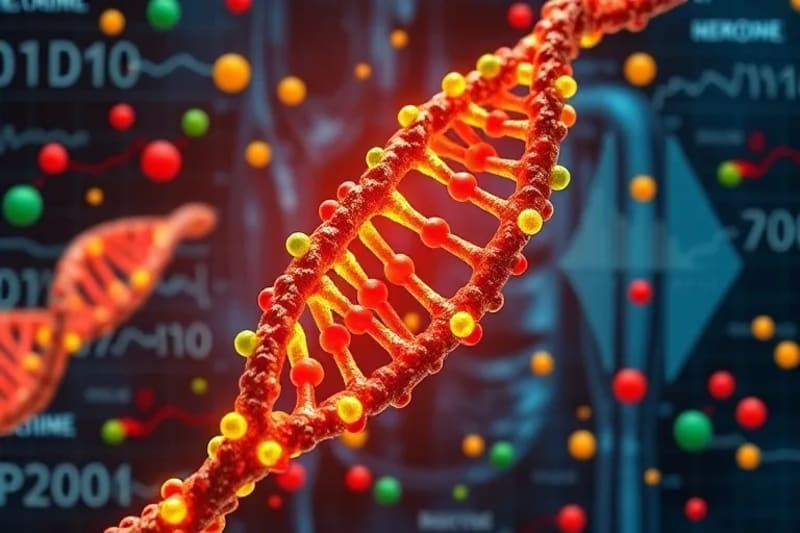
A high-tech 3D render depicting a glowing DNA helix intertwined with molecular structures, symbolizing the integration of genetic and physiological data for personalized geriatric nutrition.
- Focus on Whole, Unprocessed Foods: Prioritize fresh fruits, vegetables, lean proteins, healthy fats, and whole grains. Minimize intake of processed foods, refined sugars, and artificial additives.
- Ensure Adequate Protein Intake: Distribute protein consumption throughout the day, aiming for 25-30 grams per meal to support muscle protein synthesis.
- Stay Hydrated: Encourage regular sips of water throughout the day, even if not feeling thirsty. Herbal teas or diluted fruit juices can also contribute to fluid intake.
- Optimize Gut Health: Include fermented foods (yogurt, kefir, sauerkraut) and plenty of fiber from diverse plant sources to nourish the gut microbiome.
- Consider Targeted Supplementation: Under the guidance of a healthcare professional, supplements like Vitamin D, B12, magnesium, or omega-3s may be necessary to address specific deficiencies or support particular health goals.
- Meal Planning and Preparation: Plan meals in advance to ensure variety and nutrient balance. Batch cooking or using meal delivery services can be helpful for those with limited mobility or energy.
- Regular Monitoring and Adjustment: Nutritional needs can change over time. Regular check-ups with a functional nutritionist or doctor can help adjust the plan as needed.
The application of precision biohacking, AI, and genomics can further refine these strategies, offering incredibly detailed insights for personalized dietary interventions. Similarly, understanding Biohacking Longevity: Deep Cellular Regeneration Strategies provides another layer of personalization, especially for women in their later years. The intricate relationship between Biohacking Digestive Elite Athletes Microbiome Performance also highlights the holistic impact of nutrition.
7. The Future of Personalized Geriatric Nutrition
The field of functional geriatric nutrition is continuously evolving, driven by advancements in science and technology. The future promises even more precise and individualized approaches to support active and healthy longevity.
Emerging technologies like nutrigenomics and metabolomics are paving the way for truly personalized dietary recommendations based on an individual's genetic makeup and metabolic profile. Wearable devices and AI-powered platforms will offer real-time monitoring of health markers and provide dynamic nutritional adjustments. This integration of data will allow for proactive interventions, preventing issues before they manifest.
Furthermore, research into the gut microbiome will unlock new therapeutic strategies, including highly specific probiotic and prebiotic interventions tailored to an individual's unique microbial ecosystem. The emphasis will shift further towards preventive and regenerative nutrition, aiming not just to slow aging but to actively reverse some aspects of age-related decline.
Ultimately, functional geriatric nutrition represents a paradigm shift in how we approach aging. It empowers individuals to take an active role in their health, leveraging the power of food to optimize well-being, extend vitality, and enjoy a fulfilling life into their later years. By embracing this science-backed, personalized approach, we can redefine what it means to age gracefully and actively.
Fuente: Contenido híbrido asistido por IAs y supervisión editorial humana.


Comentarios