
Michael Jackson Short Films: Visual Narrative Evolution
Michael Jackson Short Films: Visual Narrative Evolution
The landscape of music and visual media underwent a profound transformation in the 1980s, largely spearheaded by the visionary artistry of Michael Jackson. His approach to music videos transcended the conventional promotional clip, elevating it to an elaborate art form: the musical short film. This innovative format not only redefined how music was consumed but also established new benchmarks for visual storytelling, production quality, and cultural impact within the global entertainment industry.
Jackson's dedication to cinematic excellence, combined with his unparalleled musical talent, created a synergy that captivated audiences worldwide. He understood the power of visual narrative to amplify a song's message, evoke deeper emotions, and create an immersive experience that extended far beyond audio playback. This article delves into the evolution of the musical short film through the lens of the King of Pop's groundbreaking work, exploring its techniques, cultural significance, and enduring legacy.
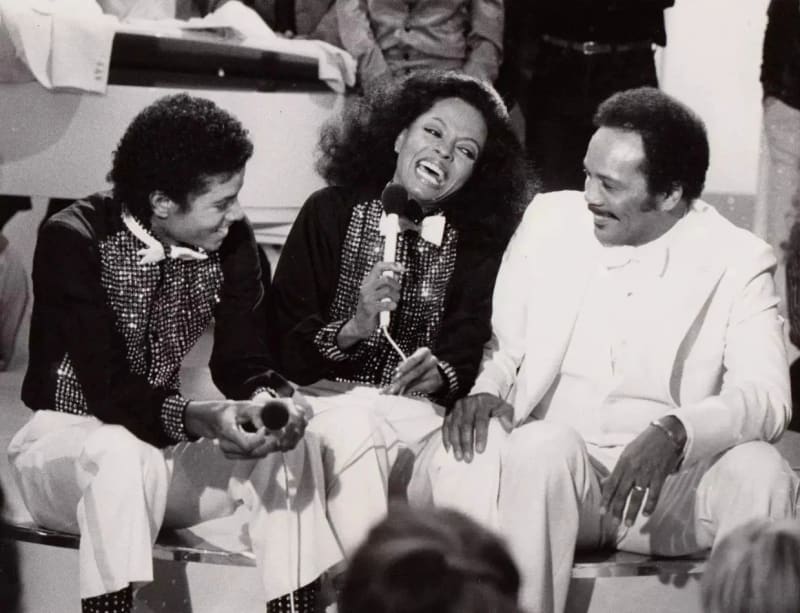
Michael Jackson's visual storytelling evolved significantly, as captured by this archival photograph.
Visual source: Historical Archive / Wikimedia Commons.
Table of Contents
- The Evolution from Music Videos to Short Films
- Key Innovations and Cinematic Techniques
- Cultural Impact and Enduring Legacy
- Case Studies: Masterpieces of Visual Storytelling
The Evolution from Music Videos to Short Films
Before Michael Jackson, music videos primarily served as promotional tools, often featuring artists performing in front of a camera or simple conceptual visuals. While some artists experimented with narrative, it was Jackson who consistently pushed the boundaries, transforming the medium into a legitimate form of cinematic art. He invested unprecedented budgets and collaborated with acclaimed film directors, cinematographers, and special effects artists, blurring the lines between music and film.
This shift was not merely about increased production value; it was about a fundamental change in storytelling. Jackson's short films often featured intricate plots, character development, and complex choreography that advanced the song's narrative. They were designed to be viewed as standalone pieces of entertainment, complete with beginnings, middles, and ends, often extending far beyond the typical song length.
The advent of MTV played a crucial role in this evolution, providing a dedicated platform for visual music. However, it was Jackson's content that truly exploited the potential of this new medium, turning music videos into must-see events that commanded global attention. His works were not just watched; they were studied, discussed, and replayed endlessly, becoming cultural phenomena in their own right.
Key Innovations and Cinematic Techniques
The pop music icon's short films were characterized by a relentless pursuit of innovation, both technically and artistically. He pioneered the use of cutting-edge special effects, often integrating them seamlessly with narrative and performance. For instance, the groundbreaking use of morphing technology in "Black or White" was a visual spectacle that left audiences in awe, demonstrating the potential of digital effects in music media.

The singular white glove became a powerful symbol of the artist's unique media impact and instantly recognizable stage persona.
Moreover, choreography was elevated to an integral storytelling element, not merely a dance routine. Every movement, every gesture, contributed to the narrative and emotional depth of the piece. The intricate dance sequences in "Thriller" or the gravity-defying lean in "Smooth Criminal" were not just impressive feats; they were crucial components of the visual story, enhancing character and plot.
Jackson also mastered the art of cross-genre blending, incorporating elements of horror, fantasy, musical theater, and social commentary into his short films. This eclectic approach broadened the appeal of his music and allowed for richer, more complex narratives. The short films often tackled serious themes, from racial harmony in "Black or White" to urban paranoia in "Billie Jean", providing a platform for social discourse alongside entertainment.
The meticulous attention to detail in set design, costumes, and cinematography further solidified his reputation as a visual innovator. Each short film was a carefully crafted world, designed to immerse the viewer completely. This commitment to cinematic quality set a new industry standard, forcing other artists to reconsider their own visual presentations.
Cultural Impact and Enduring Legacy
The impact of the iconic performer's short films extended far beyond the music industry. They became significant cultural touchstones, influencing fashion, dance, advertising, and even filmmaking. The "Thriller" short film, in particular, broke racial barriers on MTV and became the first music video inducted into the National Film Registry by the Library of Congress, recognized for its cultural, historical, or aesthetic significance.
His work demonstrated the commercial viability and artistic potential of the long-form music video, paving the way for future artists to explore more ambitious visual projects. Contemporary artists continue to draw inspiration from his innovative techniques and storytelling prowess, acknowledging his foundational role in shaping modern visual music.
Beyond the technical achievements, these short films fostered a global community, transcending linguistic and cultural barriers. The universal language of music, combined with compelling visuals, created a shared experience that resonated with millions. This global reach cemented his status not just as a musician, but as a global cultural phenomenon.
Case Studies: Masterpieces of Visual Storytelling
To fully appreciate the depth of Michael Jackson's contribution, it is essential to examine some of his most celebrated short films:
- Thriller (1983): Directed by John Landis, this 14-minute epic redefined the music video. It featured a complex narrative, groundbreaking special effects, and iconic choreography, transforming the genre into a cinematic event. Its blend of horror and musical theater set a new standard for ambition and execution.
- Billie Jean (1983): A more subtle but equally impactful short film, directed by Steve Barron. Its stylish cinematography, urban setting, and the artist's mesmerizing performance created an aura of mystery and intrigue. The glowing pavement effect became instantly recognizable and influential.
- Smooth Criminal (1988): Part of the full-length film "Moonwalker," this short film showcased Jackson's fascination with film noir and gangster aesthetics. Directed by Colin Chilvers, it featured the famous anti-gravity lean, achieved through a patented stage trick, and elaborate dance sequences that blended seamlessly with the narrative.
- Black or White (1991): Directed by John Landis, this short film was a global event, premiering simultaneously in 27 countries. Its powerful message of racial harmony, coupled with revolutionary morphing technology and a cameo by Macaulay Culkin, made it an instant classic. The controversial ending sparked widespread discussion and demonstrated the artist's willingness to push boundaries.
These examples highlight a consistent pattern of innovation, artistic ambition, and a deep understanding of visual communication. Each short film was a carefully constructed piece of art, designed to maximize impact and leave a lasting impression on the viewer. The performer's ability to weave compelling stories with his music created a new paradigm for the industry.

An abstract visual representing the harmonious fusion of musical composition and cinematic storytelling, a hallmark of the artist's work.
In conclusion, the influential artist's contribution to the musical short film genre is immeasurable. He not only elevated the music video from a mere promotional tool to a sophisticated art form but also set a precedent for visual storytelling that continues to influence artists across various mediums. His legacy is a testament to the power of artistic vision, innovation, and the profound connection between music and visual narrative. The short films remain iconic pieces of pop culture, celebrated for their artistic merit, technical prowess, and enduring cultural relevance.
Source: Hybrid content assisted by AIs and human editorial supervision.


Comentarios