
Supply of Basic Necessities: Ensuring Global Stability | Althox
The concept of "supply" is fundamental to economics and human well-being, particularly when referring to the provision of basic necessities. This encompasses the availability and distribution of essential goods and services required for survival, health, and a minimum standard of living. Understanding the dynamics of supply in this context is crucial for ensuring societal stability, addressing inequalities, and preparing for unforeseen crises.
From the food we eat and the water we drink to the healthcare we receive and the shelter we inhabit, the continuous and equitable supply of these elements underpins global welfare. Disruptions in this supply can lead to severe humanitarian crises, economic instability, and social unrest. Therefore, analyzing and optimizing the supply chains for basic necessities is a paramount concern for governments, organizations, and communities worldwide.
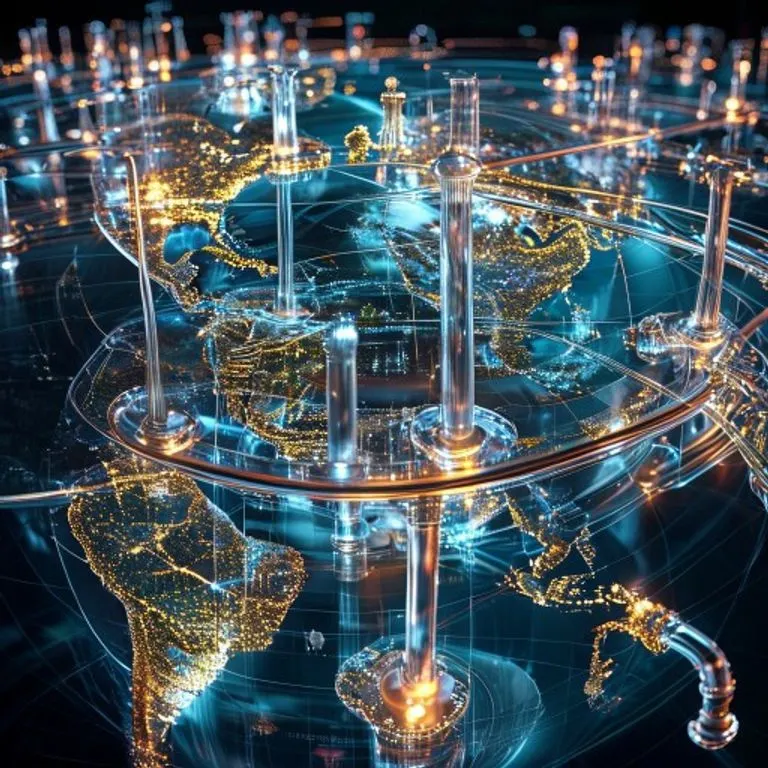
Visual representation of the global supply chains for basic necessities, highlighting their interconnectedness.
Table of Contents
- Definition and Scope of Basic Supply
- Types of Basic Necessities
- Economic Principles of Supply
- Supply Chain Management for Essential Goods
- Challenges and Disruptions in Supply
- Societal Impact and Equity in Supply
- Future Trends and Innovations
Definition and Scope of Basic Supply
In its broadest sense, supply refers to the total amount of a specific good or service that is available to consumers. When we narrow this to "basic supply," we are specifically addressing items and services considered indispensable for human survival, health, and dignity. This distinction is critical because the market dynamics and ethical considerations surrounding basic necessities differ significantly from those of discretionary goods.
The scope of basic supply extends beyond mere physical availability; it includes accessibility, affordability, and quality. A good or service might be physically present, but if it is too expensive for a significant portion of the population or if its quality is compromised, the "supply" in a meaningful sense is inadequate. This comprehensive view is essential for policy-making and humanitarian efforts.
International organizations, such as the United Nations, often define basic needs to include food, water, shelter, sanitation, healthcare, and education. The provision of these items is frequently considered a human right, placing a moral and often legal obligation on states and the international community to ensure their supply. This elevates the discussion of supply from a purely economic one to a matter of fundamental human welfare.
Types of Basic Necessities
Basic necessities can be broadly categorized into goods and services, both of which are equally vital for sustaining life and promoting well-being. These categories often overlap and are interdependent, highlighting the complexity of ensuring comprehensive basic supply.
- Perishable Goods: This category primarily includes food and clean water. Food supply involves everything from agricultural production and harvesting to processing, transportation, and retail distribution. Ensuring a consistent supply of nutritious food is a monumental task, susceptible to climate change, geopolitical conflicts, and economic fluctuations.
- Non-Perishable Goods: These include items like shelter materials, clothing, basic hygiene products, and essential medicines. While not as time-sensitive as perishables, their consistent availability is crucial, especially in emergency situations or for vulnerable populations. The supply chains for these goods often involve global manufacturing and complex logistics.
- Essential Services: This category is vast and includes healthcare, sanitation, education, energy, and communication. The "supply" of these services refers to the infrastructure, personnel, and operational capacity required to deliver them effectively to all citizens. For instance, the supply of healthcare involves hospitals, doctors, nurses, medical equipment, and pharmaceutical distribution.
The specific definition of "basic" can also evolve with societal development and technological advancement. What was once considered a luxury, like access to information or basic internet connectivity, is increasingly viewed as an essential service in the modern era, impacting education, employment, and social participation. This dynamic nature adds another layer of complexity to supply management.
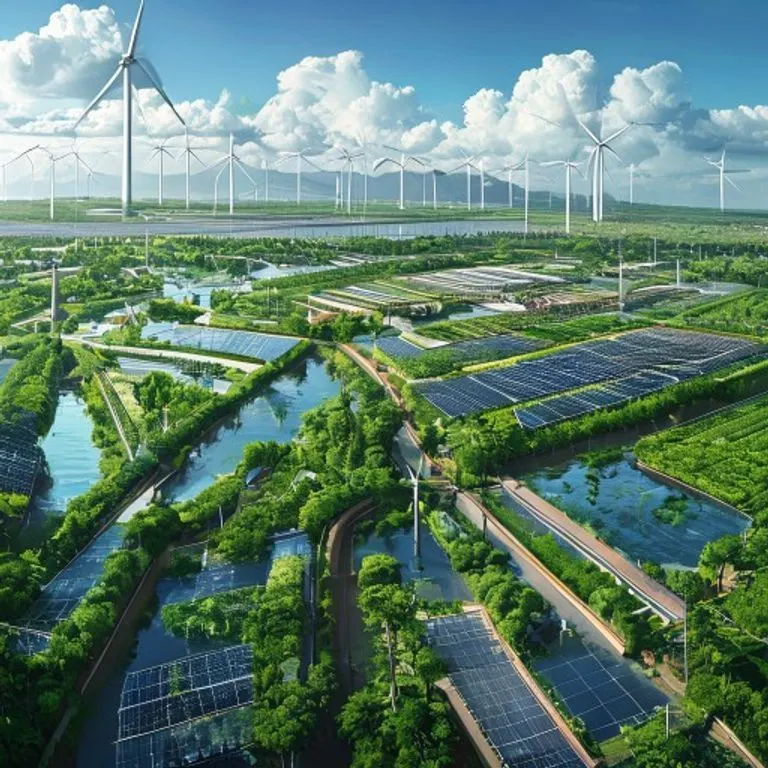
A curated collection of essential goods, symbolizing the core components of basic supply.
Economic Principles of Supply
The supply of basic necessities, while driven by humanitarian concerns, is still subject to fundamental economic principles. The law of supply states that, all else being equal, an increase in price results in an increase in quantity supplied. However, for basic goods, this relationship can be complicated by inelastic demand and government intervention.
Factors influencing the supply of basic necessities include production costs (labor, raw materials, energy), technology, government policies (subsidies, taxes, regulations), and the number of suppliers. For example, a drought can drastically reduce the supply of agricultural products, leading to price spikes and food insecurity. Similarly, advancements in medical technology can increase the supply of certain treatments, but their accessibility might still be limited by cost.
Market failures are particularly problematic in the context of basic supply. If the market alone is left to determine the supply of essential items, it may not adequately provide for those who cannot afford market prices, leading to severe social consequences. This is why governments often intervene through price controls, subsidies, public services, and strategic reserves to ensure a minimum level of supply for all citizens.
Supply Chain Management for Essential Goods
Effective supply chain management (SCM) is paramount for the continuous and efficient delivery of basic necessities. Unlike commercial supply chains focused primarily on profit maximization, SCM for essential goods often prioritizes resilience, equity, and speed, especially in crisis scenarios. This requires a robust and adaptable network of producers, transporters, distributors, and retailers.
Key components of an essential goods supply chain include sourcing raw materials, manufacturing or processing, warehousing, transportation (often multi-modal), and last-mile distribution to end-users. Each stage presents unique challenges, from ensuring ethical sourcing to navigating complex customs regulations and maintaining cold chains for perishable items. The integration of technology, such as blockchain for transparency and AI for predictive analytics, is increasingly vital.
Humanitarian logistics, a specialized field within SCM, focuses on the rapid and effective deployment of aid in disaster-stricken areas. This involves pre-positioning supplies, coordinating with multiple agencies, and adapting to rapidly changing conditions. The goal is to minimize suffering by ensuring that food, water, medicine, and shelter reach those in need as quickly as possible.
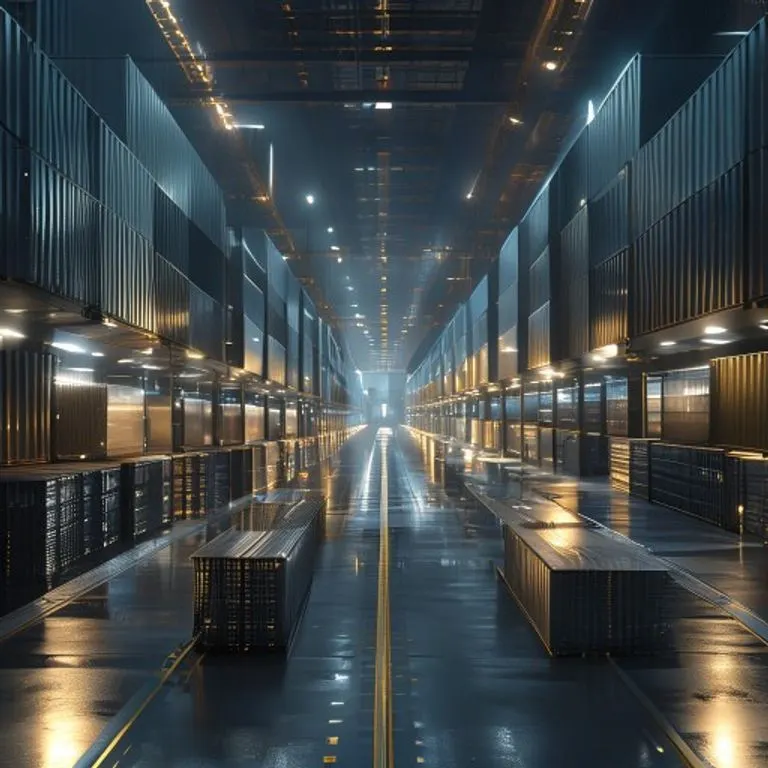
Conceptual artwork illustrating the intricate network of essential service delivery, emphasizing connectivity and efficiency.
Challenges and Disruptions in Supply
The supply of basic necessities faces numerous challenges, ranging from natural disasters to geopolitical tensions and economic shocks. These disruptions can have cascading effects, leading to shortages, price volatility, and increased vulnerability for populations already at risk. The COVID-19 pandemic, for instance, exposed the fragility of global supply chains for everything from medical supplies to everyday consumer goods.
Key sources of disruption include:
- Natural Disasters: Earthquakes, floods, hurricanes, and droughts can destroy infrastructure, agricultural land, and transportation routes, severely impacting local and regional supply.
- Geopolitical Conflicts: Wars and political instability can block trade routes, destroy production facilities, and displace populations, leading to widespread shortages and humanitarian crises.
- Economic Shocks: Recessions, hyperinflation, or currency crises can reduce purchasing power, making even available goods unaffordable, and disrupt international trade.
- Pandemics and Health Crises: These can lead to labor shortages, factory closures, border restrictions, and a surge in demand for specific medical items, overwhelming existing supply capacities.
- Infrastructure Deficiencies: In many developing regions, inadequate roads, ports, storage facilities, and energy grids pose chronic challenges to efficient supply distribution.
Building resilience into supply chains involves diversification of sourcing, strategic stockpiling, investment in robust infrastructure, and the development of early warning systems. International cooperation and coordinated responses are also vital for mitigating the impact of large-scale disruptions on the supply of essential items.
Societal Impact and Equity in Supply
The equitable supply of basic necessities is a cornerstone of social justice and human development. Disparities in access to food, water, healthcare, and education perpetuate cycles of poverty and inequality, undermining societal progress. Ensuring that supply chains are designed with equity in mind is a moral imperative.
Lack of access to basic supply disproportionately affects vulnerable populations, including the poor, marginalized communities, women, children, and those living in remote areas. For example, food deserts in urban areas or remote rural communities often lack access to fresh, nutritious food, leading to higher rates of chronic diseases. Similarly, inadequate healthcare supply in certain regions can result in preventable deaths and disabilities.
Policies aimed at improving equity in supply include targeted subsidies, public health initiatives, universal education programs, and infrastructure development in underserved areas. Furthermore, promoting local production and community-based distribution networks can enhance resilience and reduce dependence on distant, potentially fragile, supply chains. The goal is to move beyond mere availability to ensure universal and dignified access.
Future Trends and Innovations
The future of basic supply will be shaped by a confluence of technological advancements, environmental pressures, and evolving societal demands. Innovations in logistics, sustainable production, and data analytics are poised to transform how essential goods and services are delivered globally. The drive towards greater efficiency and resilience is accelerating.
Emerging trends include:
- Digitalization and AI: Advanced analytics, machine learning, and artificial intelligence are being used to optimize routes, predict demand, manage inventory, and identify potential disruptions before they occur. This leads to more responsive and efficient supply chains.
- Sustainable Supply Chains: Growing awareness of climate change and environmental impact is driving a shift towards more sustainable practices, including localized production, circular economy models, and reduced carbon footprints in transportation and packaging.
- Last-Mile Delivery Innovations: Drones, autonomous vehicles, and community-based hubs are being explored to improve the efficiency and reach of last-mile delivery, especially in remote or difficult-to-access areas.
- Resilience and Redundancy: Companies and governments are increasingly focusing on building redundancy into supply chains, diversifying suppliers, and creating strategic reserves to withstand shocks. This includes nearshoring or reshoring production for critical goods.
- Personalized and Proactive Supply: Leveraging data from IoT devices and individual health records (with appropriate privacy safeguards), future supply systems could become more personalized, anticipating individual needs for health, nutrition, and other basic services.
These advancements, coupled with robust policy frameworks and international cooperation, hold the promise of creating more equitable, resilient, and sustainable systems for the supply of basic necessities. The ongoing evolution of these systems is critical for global stability and human progress in the 21st century.
Fuente: Contenido híbrido asistido por IAs y supervisión editorial humana.


Comentarios