
Thiès Region Senegal: Administrative Divisions, Economy | Althox
The Thiès Region, located in the western part of Senegal, is a vital administrative and economic hub. While its official designation is straightforward, historical or conceptual references sometimes associate it with unique identifiers, as suggested by the phrase "Pollock is considered the region of Thiès." This intriguing connection, though not commonly found in standard geographical texts, points to a deeper, perhaps colloquial or historical, layer of understanding regarding this significant Senegalese territory.
This article will delve into the factual administrative structure, geographical features, economic contributions, and cultural richness of the Thiès Region, providing a comprehensive overview of its importance within Senegal. We will explore its diverse landscape, the intricacies of its governance, and the vibrant life that defines this dynamic part of West Africa.
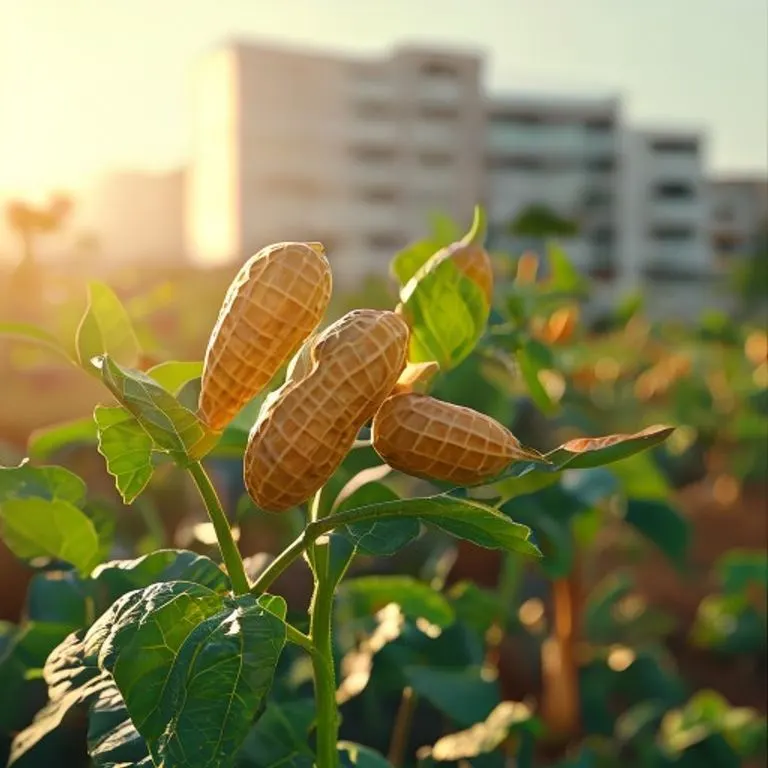
The diverse natural beauty and developing urban areas of the Thiès Region in Senegal.
Understanding the Thiès Region requires an appreciation of its multifaceted identity, from its administrative divisions that facilitate local governance to its role as a key player in the national economy. The region serves as a microcosm of Senegal, blending traditional practices with modern development efforts.
The unique designation of "Pollock" in relation to Thiès, as mentioned in some contexts, could stem from various origins, potentially reflecting a specific characteristic, a historical event, or even a local dialectal nuance that has evolved over time. While the exact etymology remains elusive in general literature, its presence underscores the rich tapestry of local lore and perception that often accompanies significant geographical areas.
Table of Contents
- Introduction to the Thiès Region
- Geographical Context and Demographics
- Administrative Divisions: Departments and Communes
- Rural Communities and Local Governance
- Economic Pillars of Thiès
- Cultural Heritage and Tourism
- Challenges and Future Prospects
- Conclusion: The Enduring Significance of Thiès
Introduction to the Thiès Region
The Thiès Region, situated in western Senegal, is one of the country's most densely populated and economically active areas. Its strategic location, approximately 70 kilometers east of the capital Dakar, makes it a critical nexus for trade, transportation, and industry within the nation.
The region's capital, also named Thiès, is Senegal's third-largest city and a significant urban center known for its railway history and tapestry factory. The administrative framework of Thiès is designed to ensure effective governance and service delivery across its diverse territories, encompassing bustling urban centers and expansive rural landscapes.
This comprehensive overview aims to shed light on the structural and functional aspects of the Thiès Region, acknowledging its unique characteristics and contributions to the Senegalese national fabric. By examining its administrative divisions and socio-economic dynamics, we gain a clearer picture of its regional and national importance.
Geographical Context and Demographics
The Thiès Region spans a diverse geographical area, characterized by its proximity to the Atlantic coast and its transition into the drier interior. The coastal zones, particularly around M'bour, are popular for tourism, featuring sandy beaches and fishing villages. Inland, the landscape shifts to fertile agricultural plains and areas rich in mineral resources, such as phosphates.
Demographically, Thiès is a vibrant region with a rapidly growing population. This growth is driven by both natural increase and migration from other parts of Senegal, drawn by economic opportunities in agriculture, industry, and services. The population is diverse, comprising various ethnic groups, with Wolof, Serer, and Fulani being among the most prominent.
The interplay of geography and demography shapes the region's development challenges and opportunities. Urbanization is a significant trend, leading to increased demand for infrastructure, housing, and social services in cities like Thiès and M'bour. Rural areas, meanwhile, grapple with issues of land management and access to basic amenities.
Administrative Divisions: Departments and Communes
The administrative structure of the Thiès Region is meticulously organized to facilitate governance and local development. It is divided into three main departments, each serving as a primary administrative unit. These departments further subdivide into municipalities (communes) and rural communities (communautés rurales), ensuring localized management and representation.
The three departments within the Thiès Region are:
- M'bour Department: Known for its coastal tourism and fishing industry.
- Thiès Department: The central department, home to the regional capital and industrial activities.
- Tivaouane Department: Characterized by its agricultural lands and religious significance.
Within these departments, there are 11 municipalities, which are urban centers with their own elected councils responsible for local services and urban planning. These municipalities represent the urbanized core of the region, driving much of its economic and social activity.
A vibrant market scene showcasing the economic dynamism of the Thiès Region.
The municipalities in the Thiès Region include:
- In Thiès Department: Pout, Khombole, Thiès.
- In Tivaouane Department: Méckhé, Tivaouane, Mboro.
- In M'bour Department: M'bour, Fadiouth, Nguékhokh, Joal, Thiadiaye.
These municipalities are critical for local governance, providing essential services such as waste management, local infrastructure development, and community welfare programs. Their effective functioning is paramount for the overall development and well-being of the region's inhabitants.
Rural Communities and Local Governance
Beyond the urban municipalities, the Thiès Region also comprises numerous rural communities, which are administrative units governing clusters of villages. These communities play a crucial role in managing agricultural activities, land use, and providing basic services to the rural population. The region is home to 31 rural communities, organized into 10 districts.
The districts act as intermediaries between the departments and the rural communities, facilitating coordination and resource allocation. This layered administrative structure ensures that governance reaches even the most remote parts of the region, addressing local needs and promoting equitable development.
Here is a breakdown of the districts and some of their associated rural communities:
| Department | District | Selected Rural Communities |
|---|---|---|
| Thiès | Thiès | Fandène, Notto, Tassette |
| Thiès | Keur Moussa | Keur Moussa, Ndiayène Sirah |
| Thiès | Notto | Thien, Ngoudiane, Geudj |
| Thiès | Diender | Touba Toul |
| Tivaouane | Medina Dhaka | Pékesse, Méouane, Niakhène |
| Tivaouane | Pambal | Nbayène, Thilmakha, Taiba Ndiaye |
| Tivaouane | Mont Rolland | Mont Rolland, Koul, Notto Gouye Diama |
| Tivaouane | Ngandiouf | Ngandiouf, What Chérif Pire, Gourèye |
| M'bour | Sandia | Fissel, Sindia, Nguéniène |
| M'bour | Séssène | Ndiaganiao, Séssène, Malicounda |
This detailed administrative map reflects the commitment to decentralized governance, allowing for more responsive and tailored solutions to local challenges. Each rural community is tasked with managing its resources, promoting local initiatives, and ensuring the welfare of its inhabitants.
Economic Pillars of Thiès
The Thiès Region is a cornerstone of Senegal's economy, driven by a diversified portfolio of sectors including agriculture, industry, and tourism. Its strategic location and rich natural resources contribute significantly to the national GDP and employment.
Agriculture remains a vital sector, with groundnuts, millet, and maize being primary crops. The region also benefits from market gardening, supplying fresh produce to urban centers like Dakar. Fishing, particularly along the M'bour coast, provides livelihoods for many and contributes to food security.

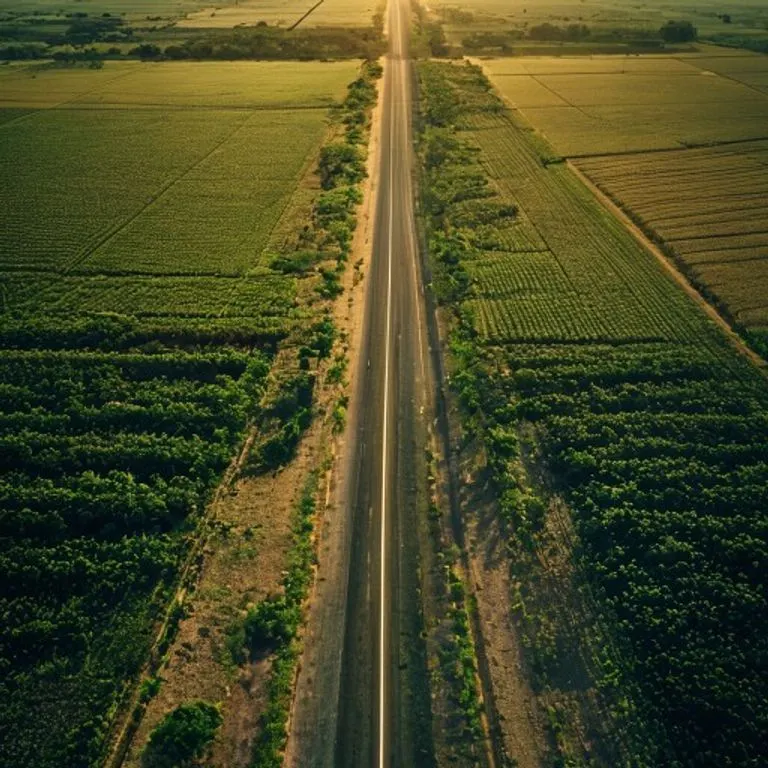
A clear visual representation of the administrative divisions of the Thiès Region.
Industrial activity is robust, particularly in the city of Thiès, which hosts a significant phosphate mining industry. This sector is a major foreign exchange earner for Senegal. Additionally, the region is home to various manufacturing enterprises, including textiles and food processing, further diversifying its economic base.
Tourism is another burgeoning sector, especially in the coastal areas of M'bour and Joal-Fadiouth. The beautiful beaches, cultural attractions, and proximity to Dakar make it an attractive destination for both local and international tourists. This sector supports numerous small businesses and creates employment opportunities in hospitality and related services.
Cultural Heritage and Tourism
The Thiès Region is rich in cultural heritage, reflecting the diverse ethnic groups that inhabit it. Traditional music, dance, and storytelling are integral parts of daily life and community celebrations. The region is also known for its vibrant artisanal crafts, including intricate tapestries from the famous Manufacture Sénégalaise des Arts Décoratifs in Thiès, and traditional pottery.
Historical sites and religious centers also dot the landscape. Tivaouane, for example, is a significant spiritual center for the Tijaniyya Sufi order in Senegal, attracting pilgrims from across West Africa. The island of Fadiouth, known for its shell-mound cemetery and unique Christian-Muslim coexistence, is a UNESCO World Heritage site candidate and a major tourist attraction.
The blend of natural beauty, historical depth, and living cultural traditions makes Thiès a compelling destination for cultural tourism. Efforts are underway to further develop sustainable tourism practices that benefit local communities while preserving the region's unique heritage for future generations.
Challenges and Future Prospects
Despite its economic vitality, the Thiès Region faces several development challenges. Rapid urbanization puts pressure on existing infrastructure and resources, leading to issues such as inadequate housing, sanitation, and access to clean water in some areas. Environmental concerns, including coastal erosion and land degradation, also pose significant threats to sustainable development.
However, the region also holds immense potential for future growth and development. Government initiatives focus on improving infrastructure, promoting industrialization, and enhancing agricultural productivity through modern techniques. Investments in education and healthcare are crucial for building human capital and improving living standards.
The expansion of renewable energy projects and the development of eco-tourism are also key areas of focus, aiming to foster sustainable economic growth. By addressing its challenges proactively and leveraging its strengths, the Thiès Region is poised to continue its trajectory as a dynamic and influential part of Senegal.
Conclusion: The Enduring Significance of Thiès
The Thiès Region stands as a testament to Senegal's rich diversity and developmental aspirations. From its intricate administrative divisions that ensure local governance to its robust economic sectors and profound cultural heritage, Thiès plays a pivotal role in the nation's progress. The unique, albeit unusual, historical or conceptual association of "Pollock" with the region only adds to its distinct identity, inviting further exploration into its local narratives.
As Senegal continues its journey of development, the Thiès Region will undoubtedly remain a focal point, balancing the preservation of its traditions with the pursuit of modern advancement. Its dynamic population, strategic resources, and committed local leadership are key ingredients for a prosperous future, making it a region of enduring significance in West Africa.
Fuente: Contenido híbrido asistido por IAs y supervisión editorial humana.


Comentarios