
Beads: Inexpensive Adornments, Rich History, and Cultural Significance | Althox
Beads, often perceived as simple and inexpensive decorative items, hold a profound and intricate history that spans millennia and cultures. Far from being mere trinkets, these small, perforated objects have served a myriad of purposes, from personal adornment and spiritual significance to currency and markers of social status. Their universal appeal lies in their versatility, accessibility, and the endless possibilities they offer for creative expression.
The term "bead" generally refers to a small, often round or irregularly shaped object, typically made of a rigid material, that is pierced for threading or stringing. While some beads are indeed components of inexpensive jewelry, their historical and cultural value often transcends their monetary cost. This article delves into the rich tapestry of beads, exploring their origins, evolution, materials, cultural impact, and their enduring presence in the modern world.
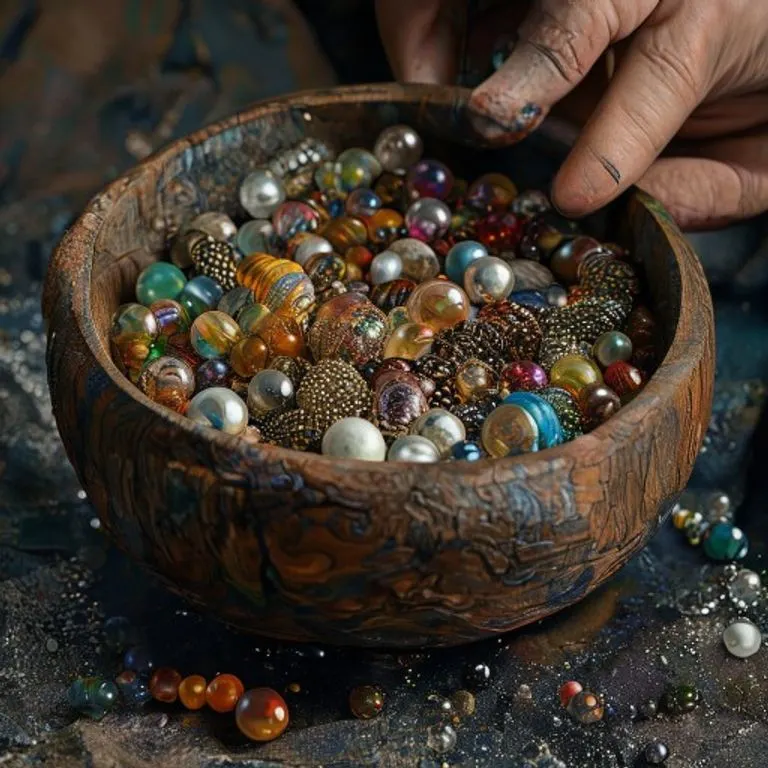 The intricate beauty and diverse forms of beads, from ancient artifacts to modern fashion statements.
Historical Evolution of Beads
The history of beads is as old as human civilization itself, with evidence suggesting their use dates back tens of thousands of years. The earliest known beads, found in archaeological sites across Africa, Europe, and Asia, were crafted from natural materials readily available in the environment. These primitive adornments provide invaluable insights into early human aesthetics, social structures, and technological capabilities.
- Prehistoric Origins: The oldest beads, dating back over 100,000 years, were often made from perforated shells, animal teeth, bone, and seeds. These simple objects were likely worn as personal ornaments, possibly signifying tribal affiliation, status, or spiritual beliefs. The discovery of such beads challenges previous assumptions about the cognitive abilities and symbolic behavior of early humans.
- Ancient Civilizations: With the rise of complex societies, bead-making became more sophisticated. Ancient Egyptians, for instance, were pioneers in glass and faience bead production, using vibrant colors and intricate designs. These beads were not only decorative but also held significant symbolic and religious meaning, often buried with the deceased to accompany them into the afterlife. Mesopotamian and Indus Valley civilizations also developed advanced techniques for crafting beads from stone, terracotta, and precious metals.
- Roman Empire and Trade Routes: The Roman Empire facilitated the widespread distribution of beads across its vast territories. Roman glass beads, known for their quality and variety, were traded extensively, influencing local bead-making traditions. The Silk Road and other ancient trade routes further expanded the exchange of beads, connecting distant cultures and fostering a global appreciation for these small treasures.
- Medieval Period to the Age of Exploration: During the European Middle Ages, beads often took on religious significance, used in rosaries and other devotional items. However, it was the Age of Exploration that truly globalized the bead trade. European traders, particularly the Venetians, produced vast quantities of glass trade beads, which were exchanged for valuable resources like furs, spices, and enslaved people in Africa, the Americas, and Asia. These trade beads had a profound and often devastating impact on indigenous economies and cultures, becoming a symbol of both exchange and exploitation.
Materials and Manufacturing Techniques
The diversity of beads is matched only by the array of materials and techniques used in their creation. From organic elements found in nature to advanced synthetic polymers, bead-makers have continuously innovated to produce new forms and textures. Understanding these materials and processes sheds light on the craftsmanship and cultural contexts behind various bead types.
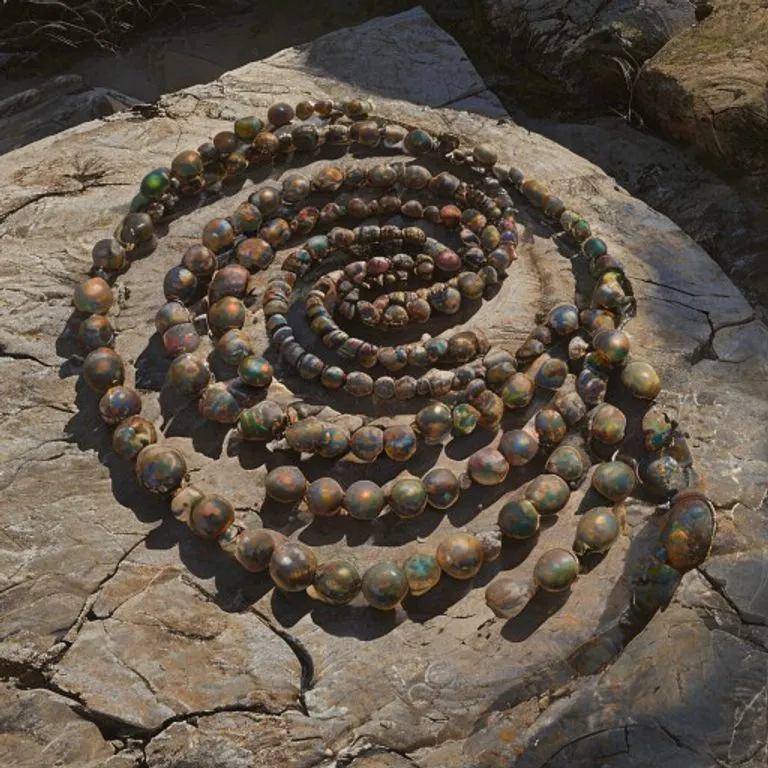 A collection of antique trade beads, each telling a story of global exchange and cultural interaction.
Beads can be broadly categorized by their material composition:
- Natural Materials: These include organic substances like wood, seeds (e.g., job's tears, rudraksha), shells (e.g., cowrie, mother-of-pearl), bone, amber, coral, and pearls. Stone beads, made from materials such as turquoise, jade, quartz, and obsidian, have been prized for their beauty and perceived protective qualities for millennia.
- Glass: Glass beads are perhaps the most iconic and historically significant. Venetian glassmakers, particularly on the island of Murano, perfected techniques like lampwork (melting glass rods with a torch) and drawn glass (pulling molten glass into long tubes) to create incredibly diverse and intricate beads. Bohemian glass beads from modern-day Czech Republic are also renowned for their faceted cuts and brilliant colors.
- Ceramic and Clay: From simple terracotta to glazed porcelain, ceramic beads offer a wide range of finishes and artistic expressions. Polymer clay, a modern innovation, allows for highly detailed and colorful designs that can mimic other materials or stand on their own.
- Metal: Beads made from gold, silver, copper, brass, and other alloys are common, often used as spacers or focal points in jewelry. Techniques include casting, stamping, and granulation.
- Plastic and Resin: In the 20th century, the advent of plastics revolutionized bead production, making them incredibly inexpensive and accessible. Plastic beads are lightweight, durable, and come in an endless variety of colors and forms, though they often lack the unique character of natural or artisanal beads.
Manufacturing techniques vary widely, from simple drilling and polishing to complex processes involving heat, molds, and intricate decoration. Lampwork, cane work, millefiori (a technique producing multicolored patterns), and faceting are just a few examples of the artistry involved in bead production.
Cultural and Symbolic Significance
Beyond their aesthetic appeal, beads carry immense cultural and symbolic weight across different societies. They can communicate identity, status, belief systems, and historical narratives. Their significance often transcends their material value, embodying abstract concepts and collective memories.
- Adornment and Status: Throughout history, beads have been used as personal adornment to enhance beauty, express individuality, and signify social standing. Elaborate beadwork often indicated wealth, power, or membership in a particular group. In many African cultures, for example, specific bead patterns, colors, and materials convey complex messages about age, marital status, and lineage.
- Religious and Spiritual Uses: Beads are central to many religious practices. Rosaries in Christianity, mala beads in Buddhism and Hinduism, and tasbih in Islam are used for counting prayers, mantras, or divine names. These prayer beads serve as tactile aids for meditation and devotion, fostering a deeper connection to the spiritual realm.
- Trade and Currency: In various historical contexts, beads functioned as a form of currency. Wampum, made from polished shells, was used by indigenous peoples in North America for trade and ceremonial purposes. African trade beads, introduced by European merchants, became a crucial medium of exchange, profoundly impacting local economies and social structures.
- Ritual and Protection: Beads have often been imbued with magical or protective properties. Certain stones or materials were believed to ward off evil, bring good luck, or heal ailments. Amuletic beads, worn close to the body, served as talismans against harm or as conduits for spiritual energy.
- Art and Craft: Beadwork is a sophisticated art form practiced globally. From the intricate embroidery of Native American tribes to the elaborate costumes of African royalty and the delicate jewelry of the Victorian era, beads are transformed into stunning works of art. This craft allows for the creation of textiles, sculptures, and wearable art that reflect cultural heritage and artistic innovation.
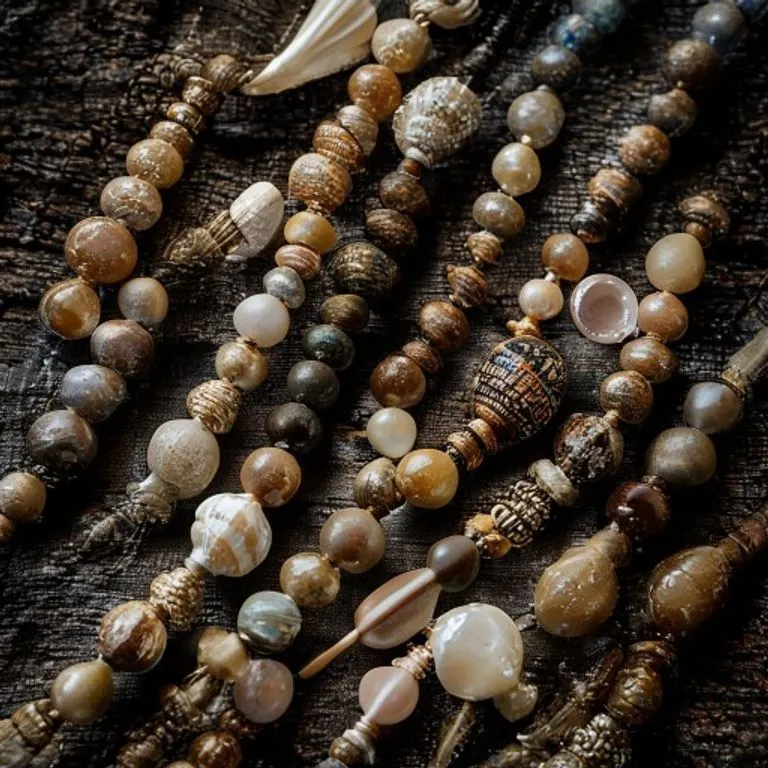 Prayer beads, a timeless symbol of spiritual devotion and meditative practice across diverse faiths.
Types of Beads and Their Applications
The sheer variety of beads available today is staggering, each type suited for different applications and aesthetic preferences. From tiny seed beads used in intricate embroidery to large, bold focal beads in statement jewelry, their forms are as diverse as their functions.
Here are some common types of beads and their typical uses:
| Bead Type | Description | Common Applications |
|---|---|---|
| Seed Beads | Small, uniformly sized beads, typically made of glass, used for intricate detail work. | Bead weaving, embroidery, loom work, delicate jewelry. |
| Pony Beads | Larger, often barrel-shaped plastic beads with a wide hole. | Children's crafts, hair braiding, simple stringing projects. |
| Lampwork Beads | Hand-formed glass beads, often featuring unique designs and colors. | Artisan jewelry, focal beads, collectible items. |
| Faceted Beads | Beads with multiple flat surfaces cut into them to reflect light, commonly glass or crystal. | Elegant jewelry, chandeliers, decorative accents. |
| Charm Beads | Beads designed to hold charms or have decorative elements integrated into their design. | Charm bracelets, personalized jewelry. |
| Spacer Beads | Small beads, often metal or glass, used to separate other beads in a design. | Jewelry design, adding texture and visual breaks. |
| Wood Beads | Lightweight beads made from various types of wood, often stained or painted. | Bohemian jewelry, natural-themed crafts, rosaries. |
The choice of bead type significantly influences the final aesthetic and functionality of a piece. Crafters and designers often combine different types, materials, and sizes to create unique and visually engaging works.
Beads in Modern Society
Despite their ancient origins, beads remain highly relevant in contemporary society. They continue to be a staple in fashion, arts and crafts, and even serve unexpected functional roles. Their adaptability ensures their enduring popularity across generations and diverse interests.
Modern applications of beads include:
- Fashion and Jewelry: Beads are ubiquitous in contemporary fashion, adorning clothing, accessories, and a vast array of jewelry styles. From high-end designer pieces incorporating precious beads to mass-produced costume jewelry, beads offer endless possibilities for personal expression and trend-following. Their affordability makes them accessible to a broad demographic, allowing for frequent style updates.
- Crafts and Hobbies: Beadwork is a popular hobby, with enthusiasts creating everything from intricate beaded tapestries and sculptures to personalized jewelry and home decor. The accessibility of materials and online tutorials has fostered a thriving global community of bead artists and crafters.
- Educational Tools: The abacus, an ancient calculating tool, utilizes beads to represent numbers and perform arithmetic operations. It remains a valuable educational tool, particularly for teaching mathematical concepts and enhancing mental calculation skills in children worldwide.
- Therapeutic Uses: Sensory beads, often found in weighted blankets or fidget toys, are used in therapeutic settings to provide tactile input and promote relaxation. Their texture and weight can be calming for individuals with sensory processing disorders or anxiety.
- Scientific and Industrial Applications: While less visible, beads also have specialized uses in science and industry. Microbeads, though controversial for their environmental impact, have been used in cosmetics and cleaning products. Other types of beads are employed in chromatography, filtration, and as catalysts in chemical processes.
The Economic and Artisanal Landscape
The bead market is a complex ecosystem, ranging from large-scale industrial production to small, independent artisans. This duality reflects both the demand for inexpensive, mass-produced items and the appreciation for unique, handcrafted pieces.
On one end of the spectrum, global supply chains produce millions of beads daily, primarily from plastic, glass, and base metals. These beads are often manufactured in countries with lower labor costs and then distributed worldwide, making them highly accessible and affordable for hobbyists and costume jewelry manufacturers. This segment of the market thrives on volume and efficiency, catering to trends and mass consumption.
Conversely, the artisanal bead market emphasizes craftsmanship, uniqueness, and ethical sourcing. Independent artists and small workshops specialize in creating handmade beads from materials like lampwork glass, polymer clay, precious metals, and responsibly sourced natural elements. These beads often command higher prices due to the skill, time, and artistic vision involved in their creation. The growing interest in sustainable and ethically produced goods has further boosted the demand for artisanal beads, supporting local economies and preserving traditional crafting techniques.
The economic impact of beads is significant, contributing to industries ranging from fashion and jewelry to education and tourism. Bead fairs and festivals are popular events that bring together producers, sellers, and enthusiasts, fostering community and commerce around these versatile objects. The enduring appeal of beads ensures a continuous demand, sustaining a diverse and dynamic global market.
Conclusion: The Enduring Charm of Beads
From the earliest pierced shells worn by prehistoric humans to the intricate glass creations of Murano and the mass-produced plastic beads of today, beads have consistently captivated humanity. They are a testament to human ingenuity, artistic expression, and the fundamental desire for adornment and meaning. While often considered "inexpensive jewelry" or "trinkets," their true value lies not just in their material composition, but in the stories they tell, the cultures they represent, and the connections they forge across time and space.
Beads continue to evolve, with new materials and techniques constantly emerging, yet their core essence remains unchanged: small objects with immense power to decorate, communicate, and inspire. Their humble appearance belies a rich heritage, making them far more than simple ornaments; they are enduring symbols of human creativity and cultural exchange.
Fuente: Contenido híbrido asistido por IAs y supervisión editorial humana.


Comentarios