
Pollack Fish: Nutritional Benefits and Ecological Role | Althox
The Pollack, scientifically known as Trisopterus luscus, is a fascinating and nutritionally valuable fish species belonging to the cod family (Gadidae). Often referred to by various common names such as bib, pout, or pout pout, this demersal fish inhabits the coastal waters of Europe, playing a significant role in both marine ecosystems and human diets.
While perhaps not as globally renowned as its larger relatives like cod or haddock, the Pollack offers a remarkable array of health benefits, particularly due to its rich composition of essential fatty acids. Its modest size, typically growing up to 30 cm (12 inches) or less, belies its substantial contribution to a balanced and health-conscious diet.
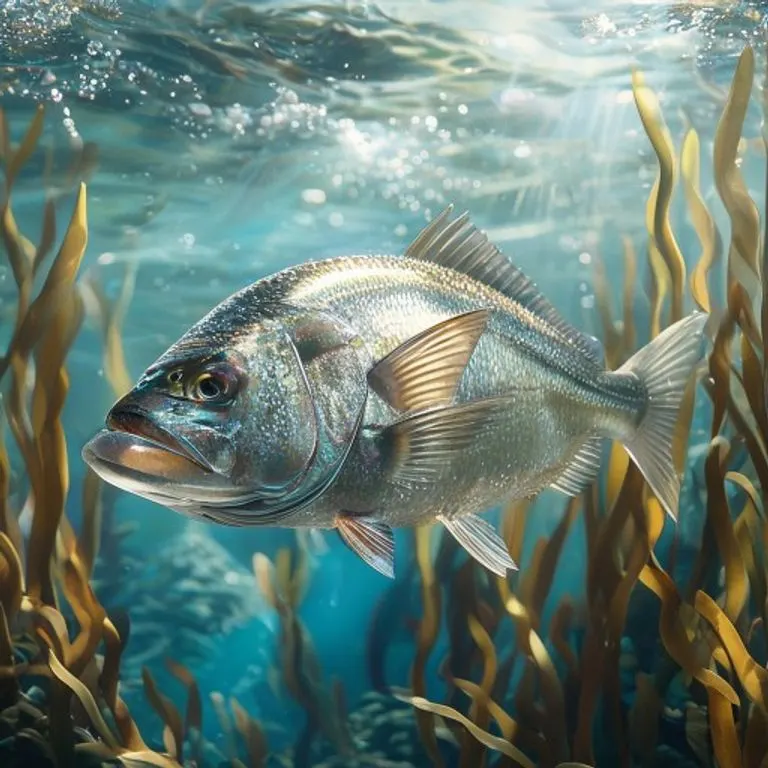
The Trisopterus luscus, a common coastal fish, is a vital part of European marine ecosystems.
This species is a prime example of how less-celebrated marine life can offer profound health advantages, making it a valuable subject for scientific and dietary exploration. Understanding its biology, ecological impact, and nutritional profile is crucial for appreciating its place in our natural world and on our plates.
Table of Contents
- Taxonomy and Distribution of Trisopterus luscus
- Nutritional Benefits: A Healthy Choice
- Ecological Role and Habitat
- Commercial Importance and Sustainable Fishing
- Distinguishing the Bib from Similar Species
- Culinary Versatility and Preparation
Taxonomy and Distribution of Trisopterus luscus
The Pollack, or bib, holds a distinct position within the Gadidae family, which includes many commercially important fish species. Its scientific name, Trisopterus luscus, helps differentiate it from other fish also commonly called "pollack" or "pout," such as the Atlantic Pollack (*Pollachius pollachius*) or the Alaskan Pollack (*Gadus chalcogrammus*, formerly *Theragra chalcogramma*).
This species is characterized by its relatively deep body, large eyes, and a prominent barbel on its chin, which aids in foraging on the seabed. Its coloration typically ranges from brownish to yellowish-grey on the back, fading to a silvery white on the belly, often with several dark vertical bands along its sides, though these can fade after death.
Geographically, Trisopterus luscus is primarily found in the northeastern Atlantic Ocean. Its distribution extends from the Norwegian coast southwards to the Mediterranean Sea and along the northwestern African coast, including the waters around the British Isles. It prefers coastal waters, typically inhabiting depths ranging from 10 to 100 meters, often found over sandy or muddy bottoms, and sometimes near rocky areas or wrecks.
The Pollack is a demersal species, meaning it lives and feeds near the bottom of the sea. It forms schools, especially when young, and exhibits migratory patterns influenced by seasonal changes and reproductive cycles. Understanding its specific habitat preferences and distribution is crucial for effective fisheries management and conservation efforts.
Nutritional Benefits: A Healthy Choice
The nutritional profile of Trisopterus luscus is one of its most compelling attributes, making it a highly beneficial addition to any diet. Like many fatty fish, it is an excellent source of essential nutrients, particularly high-quality protein and a significant percentage of beneficial fats.
A key highlight of Pollack's nutritional value is its rich content of monounsaturated and polyunsaturated fatty acids. These healthy fats are crucial for human health, playing a vital role in various physiological processes. Among the polyunsaturated fats, omega-3 fatty acids, such as EPA (eicosapentaenoic acid) and DHA (docosahexaenoic acid), are particularly abundant.
Regular intake of these fatty acids has been consistently linked to numerous health advantages, especially concerning cardiovascular well-being. They are known to help increase levels of high-density lipoprotein (HDL), often referred to as "good cholesterol," while simultaneously working to reduce low-density lipoprotein (LDL), or "bad cholesterol." This dual action is fundamental in mitigating the risk of various heart and circulatory system diseases.
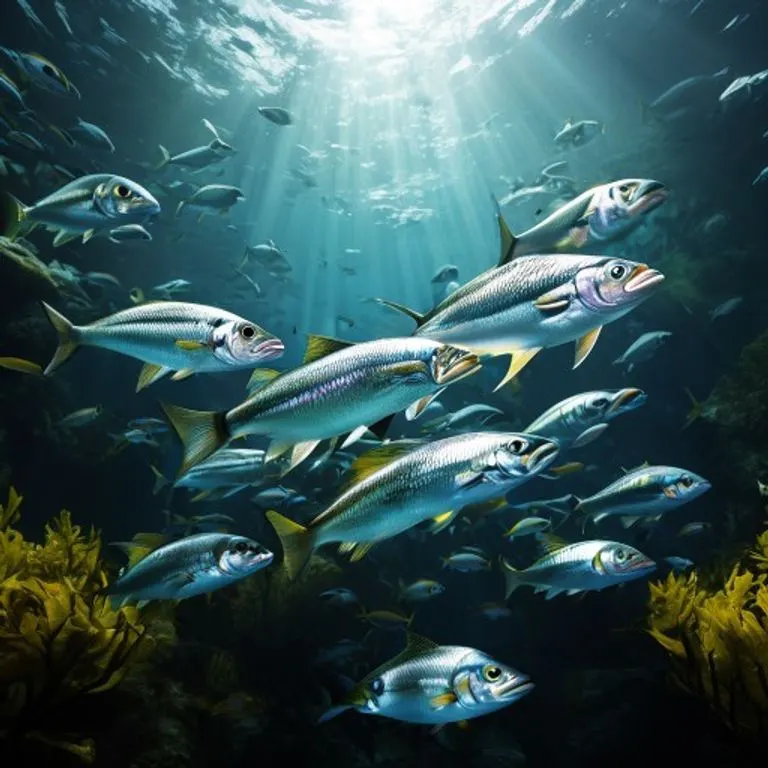
Incorporating fish like Pollack into a diet rich in fresh produce supports overall well-being.
Conditions such as arteriosclerosis, characterized by the hardening and narrowing of arteries, and hypertension (high blood pressure), can be significantly managed or prevented through a diet rich in omega-3s. These fatty acids also possess anti-inflammatory properties and contribute to blood thinning, which further supports the smooth functioning of the heart and the entire cardiovascular system.
Beyond cardiovascular health, the consumption of Pollack can contribute to overall longevity and reduce premature aging. As individuals age, the body's ability to absorb fatty acids and regenerate tissues can diminish. Foods rich in polyunsaturated fatty acids, like Pollack, help counteract this process by supporting cellular health and tissue repair, leading to a less traumatic aging process.
Furthermore, Pollack is a good source of essential vitamins and minerals, including Vitamin D, Vitamin B12, selenium, and iodine, all of which are vital for bone health, nerve function, immune system support, and thyroid regulation. When combined with a healthy lifestyle, balanced diet, and regular exercise, the inclusion of fish like Pollack can significantly enhance an individual's health and quality of life.
Ecological Role and Habitat
The Pollack (*Trisopterus luscus*) occupies an important trophic level within its coastal European habitats. As a demersal species, it plays a crucial role in the benthic food web, influencing both prey populations and predator dynamics. Its diet primarily consists of small crustaceans, mollusks, and other small benthic invertebrates, as well as smaller fish.
Juvenile Pollack often form large schools in shallower waters, providing a food source for a variety of larger predatory fish and seabirds. As they mature, they become more solitary or form smaller groups in deeper waters, where they continue to be prey for larger fish such as cod, conger eels, and even seals.
Their preferred habitats, characterized by sandy or muddy bottoms, often near structures like wrecks, reefs, or piers, provide both shelter and abundant foraging opportunities. These areas are rich in the small organisms that constitute their primary diet. The presence of healthy Pollack populations is often an indicator of a thriving coastal ecosystem.
Reproduction typically occurs in late winter to early spring, with females releasing pelagic eggs that drift in the water column before hatching. The larvae and juveniles then settle in shallower, protected areas, taking advantage of the rich food sources available there. This life cycle highlights their adaptability and resilience within their specific ecological niche.
Commercial Importance and Sustainable Fishing
While not a primary target for large-scale industrial fisheries compared to species like cod or haddock, *Trisopterus luscus* holds significant commercial importance, particularly in regional and local European markets. It is often caught as bycatch in trawl fisheries targeting other demersal species, but also specifically targeted by small-scale commercial and recreational fishermen.
Its flesh is white, flaky, and delicate, making it a popular choice for fresh consumption in many coastal communities. The economic value derived from Pollack contributes to the livelihoods of numerous fishing families and supports local economies. However, like all exploited marine resources, its populations are subject to fishing pressure.
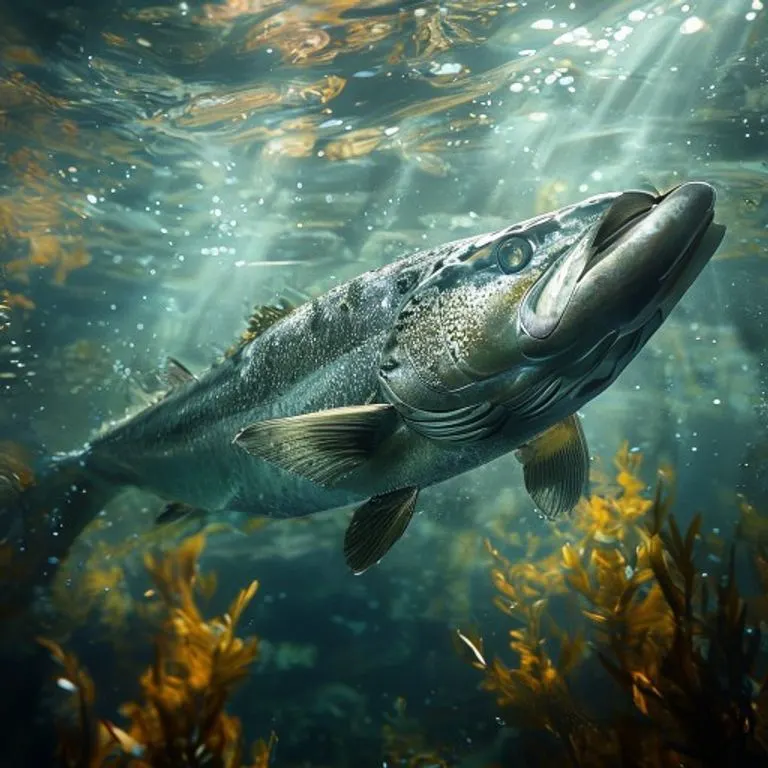
Protecting marine biodiversity is essential for the future of fish populations and ocean health.
Sustainable fishing practices are paramount to ensure the long-term viability of Pollack stocks. This includes adhering to catch limits, minimum landing sizes, and seasonal closures where necessary to allow for spawning and growth. Organizations like the Marine Stewardship Council (MSC) and various national fisheries agencies work to assess and certify the sustainability of fisheries, providing consumers with information to make responsible choices.
For consumers, choosing sustainably sourced Pollack supports healthy ocean ecosystems and ensures that future generations can also benefit from this nutritious fish. The relatively fast growth rate and widespread distribution of *Trisopterus luscus* can make it a more resilient species to fishing pressure compared to some longer-lived, slow-reproducing counterparts, provided management is effective.
Distinguishing the Bib from Similar Species
The common name "Pollack" can sometimes lead to confusion, as it is applied to several different species within the cod family. It is important to distinguish *Trisopterus luscus* (bib or pout) from other fish that share similar names or appearances, particularly the Atlantic Pollack (*Pollachius pollachius*) and the Alaskan Pollack (*Gadus chalcogrammus*).
The most noticeable distinguishing feature of *Trisopterus luscus* is its prominent barbel on the chin, which is typically longer and more defined than in other similar species. It also has three dorsal fins and two anal fins, characteristic of the Gadidae family. Its body is generally deeper and more compressed laterally compared to the more elongated bodies of *Pollachius pollachius* or *Gadus chalcogrammus*.
Here's a brief comparison table:
| Feature | Trisopterus luscus (Bib/Pout) | Pollachius pollachius (Atlantic Pollack) | Gadus chalcogrammus (Alaskan Pollack) |
|---|---|---|---|
| Common Names | Bib, Pout, Pout Pout | Pollack, Lythe | Walleye Pollack, Pacific Pollack |
| Chin Barbel | Prominent and long | Small or absent | Small, often absent |
| Max Size | ~30 cm (12 inches) | ~130 cm (51 inches) | ~90 cm (35 inches) |
| Body Shape | Deep-bodied, laterally compressed | More elongated, streamlined | Elongated, slender |
| Distribution | Northeastern Atlantic, Mediterranean | Northeastern Atlantic, North Sea | North Pacific Ocean |
These distinctions are important for both scientific classification and culinary purposes, as the flavor and texture can vary between species. For instance, the larger Pollack species are often used in fish and chips, while the smaller bib is more commonly pan-fried or baked whole.
Culinary Versatility and Preparation
The delicate white flesh and mild flavor of Trisopterus luscus make it a versatile ingredient in the kitchen. Its culinary applications are diverse, ranging from simple home cooking to more elaborate restaurant dishes, particularly in regions where it is locally abundant.
Due to its relatively small size, Pollack is often cooked whole, either baked, grilled, or pan-fried. When filleted, the flesh holds together well, making it suitable for various preparations. Its mild taste means it readily absorbs the flavors of herbs, spices, and sauces, allowing for a wide range of culinary creativity.
Popular cooking methods include:
- Pan-Frying: A simple yet effective method that crisps the skin and keeps the flesh moist. Often served with lemon and parsley.
- Baking: Whole Pollack can be baked with vegetables, herbs, and a splash of white wine for a flavorful and healthy meal.
- Grilling: Fillets or whole fish can be grilled, imparting a smoky flavor that complements its delicate texture.
- Stewing: Its firm flesh holds up well in fish stews or curries, absorbing the rich flavors of the broth.
- Frying (battered): While healthier options exist, battered and fried Pollack is a common preparation, similar to traditional fish and chips, though often using smaller pieces.
The ease of preparation and its nutritional density make Pollack an excellent choice for quick, healthy weeknight meals. Its affordability in many coastal areas also contributes to its popularity, offering a sustainable and delicious alternative to more expensive fish.
In conclusion, Trisopterus luscus, the humble Pollack or bib, is far more than just another fish in the sea. It is a nutritionally potent species, offering significant health benefits, especially for cardiovascular health, thanks to its rich content of omega-3 fatty acids. Its ecological role is vital to coastal ecosystems, and its commercial importance, though regional, supports sustainable local economies. Embracing this species in our diets not only provides a delicious and healthy meal but also supports responsible consumption and marine conservation efforts.
Fuente: Contenido híbrido asistido por IAs y supervisión editorial humana.


Comentarios