
Abaca Philippines: Cultivation, Uses, Economic Impact | Althox
Abaca, scientifically known as Musa textilis, is a species of banana native to the Philippines, renowned globally for its exceptionally strong and durable fiber. Often referred to as "Manila hemp," despite not being true hemp, this plant holds immense economic and cultural significance, particularly in its primary cultivation regions. Its fibers have been integral to various industries for centuries, ranging from maritime applications to specialized paper products and textiles.
The plant's unique properties, including its resistance to saltwater damage and high tensile strength, have cemented its status as a valuable natural resource. Beyond its traditional uses, Abaca is increasingly recognized for its potential in sustainable manufacturing, offering an eco-friendly alternative to synthetic materials. This comprehensive guide delves into the intricate world of Abaca, exploring its botanical characteristics, historical journey, cultivation practices, diverse applications, and profound economic and environmental impact.
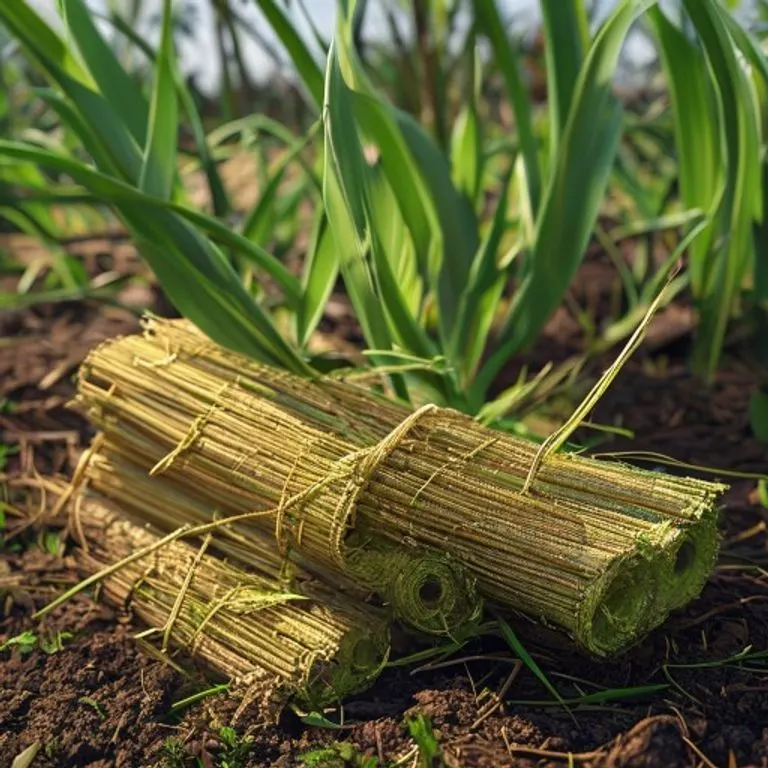
A vibrant Abaca plant thriving in the rich soils of the Philippines, a testament to its natural resilience and economic importance.
The journey of Abaca from a wild plant to a globally sought-after commodity is a fascinating narrative of agricultural innovation and industrial adaptation. Its fibers, once primarily used for rudimentary ropes and twines, now find their way into advanced materials, reflecting a continuous evolution in processing and application. Understanding Abaca means appreciating a plant that bridges traditional practices with modern demands for sustainability and high-performance natural resources.
Table of Contents
- Scientific Classification and Botany
- Historical Overview and Global Spread
- Cultivation and Harvesting Practices
- Fiber Extraction and Properties
- Diverse Applications of Abaca Fiber
- Economic Significance and Market Dynamics
- Environmental Impact and Sustainability
- Challenges and Future Prospects
Scientific Classification and Botany
Abaca (Musa textilis) belongs to the family Musaceae, which also includes the common banana (Musa sapientum). While closely related, Abaca is distinct from its fruit-bearing cousin, primarily cultivated for its robust leaf sheath fibers rather than its small, inedible fruit. The plant is a monocot species, characterized by its single cotyledon embryo and parallel-veined leaves.
Typically, an Abaca plant can grow up to 20 feet (6 meters) tall, forming a pseudo-stem or pseudotrunk composed of tightly overlapping leaf bases. This pseudo-stem, which can reach 30 to 40 cm in diameter, is the source of the valuable fibers. Each plant typically produces 12 to 25 leaves, with the largest and oldest leaves found at the base of the trunk, and younger ones emerging from the top.
The fibers themselves are coarse, ranging from 5 to 11.5 feet (1.5 to 3.5 meters) in length. They are primarily composed of plant materials such as cellulose, pectin, and lignin, which contribute to their exceptional strength and durability. This unique composition makes Abaca fiber highly resistant to degradation, especially in saltwater environments, a property that has historically made it indispensable for maritime uses.
- Family: Musaceae
- Genus: Musa
- Species: Musa textilis
- Common Names: Abaca, Manila hemp, Cebu hemp, Davao hemp, Bakbakkar
- Plant Height: Up to 20 feet (6 meters)
- Pseudo-stem Diameter: 30-40 cm
- Fiber Length: 1.5-3.5 meters
- Main Components: Cellulose, pectin, lignin
Historical Overview and Global Spread
The history of Abaca is deeply intertwined with the maritime industry and the colonial era. Native to the Philippines, its fibers were traditionally used by indigenous communities for various purposes, including clothing, fishing nets, and cordage. European explorers first encountered Abaca in the 16th century, but its true potential was recognized much later.
By the late 1800s, the Philippines had become the primary global supplier of Abaca, with its fiber gaining international fame as "Manila hemp" due to its export through the port of Manila. The fiber's superior strength and resistance to water made it the preferred material for ship rigging and ropes worldwide. This demand led to significant expansion of Abaca plantations across the archipelago.
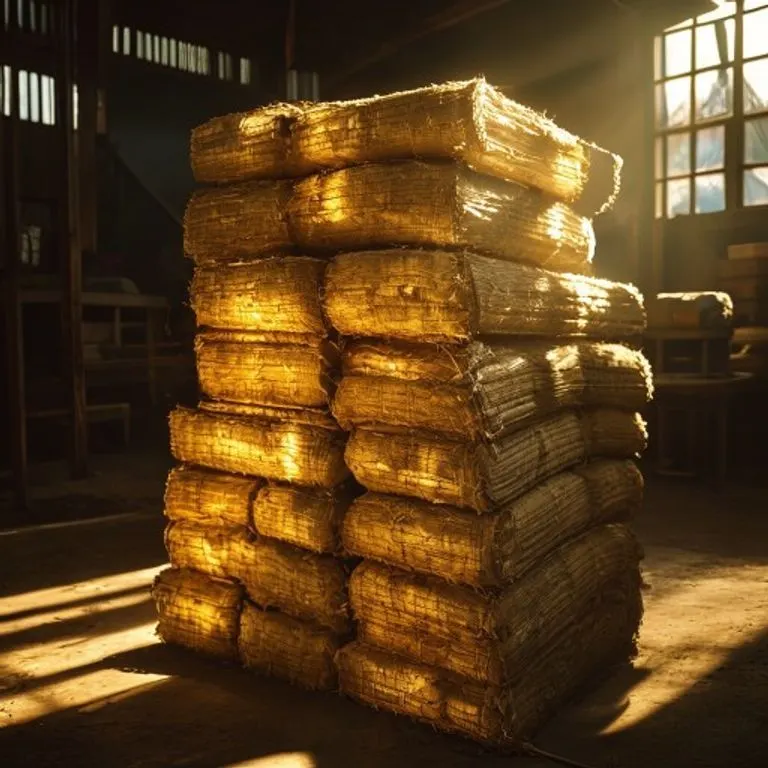
A collection of Abaca-derived products, showcasing the fiber's journey from raw material to finished goods.
The cultivation of Abaca spread beyond the Philippines in the early 20th century. In 1925, the Dutch initiated large-scale plantations in Sumatra, having observed its successful cultivation in the Philippines. This was followed by similar ventures in Central America, sponsored by the U.S. Department of Agriculture, aiming to secure a supply independent of the Philippines. Commercial planting also began in British North Borneo in the 1930s. The onset of World War II significantly disrupted the Philippine supply, further emphasizing the need for diversified sources.
Today, while the Philippines remains the largest producer, other countries like Ecuador and Costa Rica also contribute to the global supply. The historical journey of Abaca underscores its enduring value and adaptability in a changing global economy.
Cultivation and Harvesting Practices
Abaca cultivation is a labor-intensive process that requires specific environmental conditions for optimal growth. The plant thrives in well-drained loamy soil and a tropical climate with consistent rainfall. Propagation typically occurs using suckers or rootstock pieces from mature plants, planted at the beginning of the rainy season to ensure adequate moisture for establishment.
After an initial growth period of 18-25 months, the Abaca plant reaches maturity and is ready for its first harvest. Subsequent harvests can occur every three to eight months for approximately 10 years, making it a sustainable long-term crop. The harvesting process involves several critical steps to ensure the quality of the fiber.
Harvesting involves cutting the mature stalks near the ground. The leaf sheaths are then separated from the pseudo-stem, a process often referred to as "tuxying." This initial separation is crucial for isolating the fiber-bearing layers. Traditional methods often involve manual labor, reflecting the deep-rooted agricultural heritage associated with Abaca.
| Stage | Description | Duration/Frequency |
|---|---|---|
| Propagation | Planting suckers or rootstock in well-drained loamy soil. | Early rainy season |
| Initial Growth | Period until the plant reaches maturity for the first harvest. | 18-25 months |
| Harvesting Cycle | Cutting mature stalks near the ground. | Every 3-8 months |
| Plant Lifespan | Total productive period of an Abaca plant. | Approximately 10 years |
Fiber Extraction and Properties
Once the leaf sheaths are separated, the next crucial step is fiber extraction, known as "stripping." This process involves removing the pulp and non-fibrous material from the leaf sheaths to isolate the strong Abaca fibers. Traditionally, stripping was done manually, often using a knife or a decorticating machine, which scrapes away the unwanted plant matter.
After extraction, the fibers are thoroughly washed to remove any remaining plant residues and then dried. Sun drying is the most common and traditional method, where the fibers are spread out under the sun until they are completely dry. Proper drying is essential to prevent mold growth and maintain fiber quality. Once dried, the fibers are bundled and ready for further processing or sale.
Abaca fiber is classified as a "hard fiber," a category that also includes coconut, sisal, and henequen. Its exceptional properties set it apart from many other natural fibers:
- High Tensile Strength: Abaca is one of the strongest natural fibers, making it ideal for applications requiring durability and resistance to breaking.
- Saltwater Resistance: Unlike many other fibers, Abaca does not degrade quickly when exposed to saltwater, a critical feature for maritime uses.
- Lightweight: Despite its strength, Abaca fiber is relatively light, contributing to its efficiency in various products.
- Durability: Products made from Abaca are known for their longevity and ability to withstand wear and tear.
- Breathability: In textile applications, Abaca offers good breathability, making it comfortable for clothing and other woven goods.
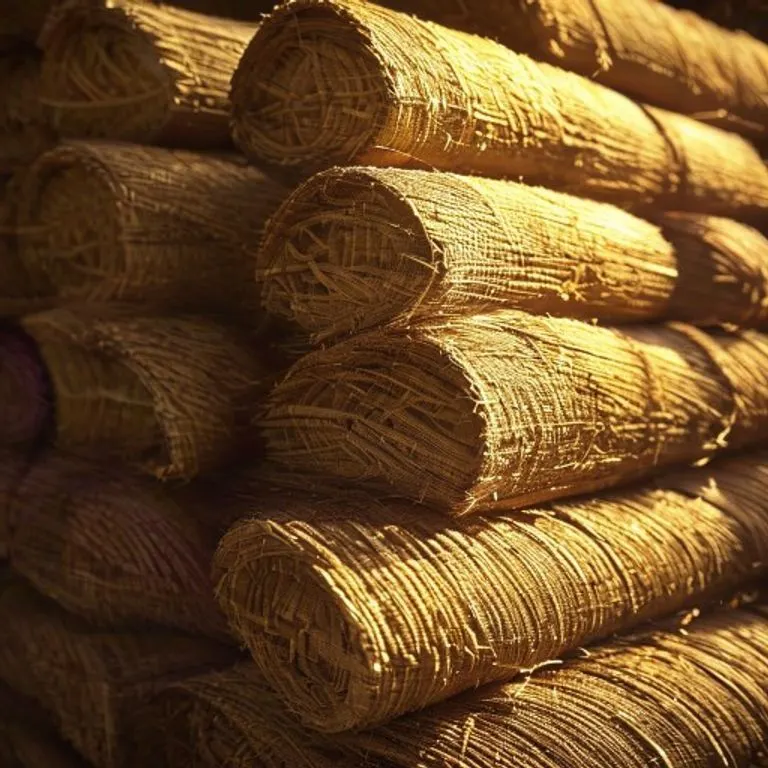
Traditional Abaca harvesting methods, a practice deeply rooted in the cultural heritage of the Philippines.
Diverse Applications of Abaca Fiber
The versatility of Abaca fiber is evident in its wide array of applications across numerous industries. Historically, its primary use was in the production of ropes, twine, and marine cordage, particularly for sailing ships. However, with advancements in processing technology, its uses have expanded significantly.
Today, a substantial portion of Abaca fiber is processed into pulp, which is then used to produce specialty papers. These include tea bags, coffee filters, vacuum bags, and even currency paper due to its strength and durability. The finer grades of Abaca, such as Lupis, are highly prized for these delicate yet robust paper products. Sinamay, a woven Abaca fabric, is also widely used in crafts and fashion.
Beyond paper and traditional cordage, Abaca finds applications in:
- Textiles and Crafts: Used for weaving bags, mats, carpets, clothing, and decorative items. Its natural luster and strength make it suitable for artisanal products.
- Furniture: Woven Abaca is increasingly used in furniture design, offering a durable and aesthetically pleasing material for chairs, tables, and other pieces.
- Automotive Industry: Emerging as a sustainable alternative for composite materials in car interiors, replacing synthetic plastics due to its lightweight and strength.
- Geotextiles: Its natural biodegradability makes it suitable for erosion control and soil stabilization applications.
- Medical Applications: Research is exploring its use in medical textiles and biodegradable implants due to its biocompatibility.
The continuous innovation in Abaca processing highlights its potential as a sustainable and high-performance material for a diverse range of modern products, moving beyond its historical role into advanced manufacturing.
Economic Significance and Market Dynamics
Abaca holds significant economic importance for the Philippines, where it is a major agricultural export and a source of livelihood for thousands of farmers and their communities. The global demand for natural fibers, particularly those with unique properties like Abaca, continues to drive its market value. The fiber is often sold under the name "Manila," referring to its traditional export hub.
The market for Abaca is influenced by several factors, including global economic conditions, competition from synthetic fibers, and the increasing consumer preference for sustainable and eco-friendly products. The specialty paper industry, in particular, is a major consumer of Abaca pulp, valuing its strength, porosity, and wet strength properties.
Government support and research initiatives play a crucial role in maintaining and expanding the Abaca industry. These efforts focus on improving cultivation techniques, developing disease-resistant varieties, and enhancing processing methods to maximize fiber yield and quality. Moreover, promoting Abaca in new applications, such as biocomposites and geotextiles, helps diversify its market and secure its future.
The Philippine Fiber Industry Development Authority (PhilFIDA) is the primary government agency responsible for the development and regulation of the fiber industry in the Philippines, including Abaca. Its mandate includes research and development, extension services, and market promotion to ensure the sustainable growth of the sector.
According to PhilFIDA, the Philippines accounts for approximately 87% of the world's Abaca fiber production, making it a dominant player in the global market. The industry contributes significantly to the country's agricultural GDP and provides employment opportunities in rural areas.
The economic stability of Abaca-producing regions is directly linked to the health of the global Abaca market. Fluctuations in demand or supply can have a profound impact on local economies, underscoring the need for resilient agricultural practices and diversified market strategies.
Environmental Impact and Sustainability
Abaca is often hailed as an environmentally friendly crop, offering several ecological benefits compared to synthetic materials and other natural fibers. Its cultivation practices generally require fewer chemical inputs, such as pesticides and fertilizers, reducing the environmental footprint of its production.
As a natural fiber, Abaca is biodegradable and compostable, meaning it breaks down naturally at the end of its life cycle, returning nutrients to the soil without contributing to plastic pollution. This characteristic is particularly valuable in an era of increasing concern over microplastic contamination and waste accumulation.
- Carbon Sequestration: Abaca plants, like other crops, absorb carbon dioxide from the atmosphere during photosynthesis, acting as a carbon sink.
- Soil Conservation: Abaca cultivation can help prevent soil erosion, especially on sloping terrains, due to its extensive root system.
- Biodiversity Support: Traditional Abaca farms often integrate with local ecosystems, supporting biodiversity compared to monoculture plantations.
- Reduced Chemical Use: Compared to synthetic fiber production, Abaca generally requires less energy and fewer harmful chemicals, leading to a smaller ecological impact.
The sustainability aspect of Abaca extends beyond its biodegradability. The plant itself is a perennial crop, meaning it does not need to be replanted after each harvest, contributing to soil health and reducing land disturbance. This makes Abaca an attractive option for industries seeking to enhance their sustainability credentials and reduce reliance on non-renewable resources.
Challenges and Future Prospects
Despite its numerous advantages, the Abaca industry faces several challenges that impact its growth and stability. These include susceptibility to plant diseases, such as Abaca Bunchy Top Virus (ABTV), which can devastate entire plantations. Climate change also poses a threat, with extreme weather events affecting crop yields and quality.
Another challenge lies in the labor-intensive nature of Abaca cultivation and processing. The reliance on manual labor for harvesting and stripping can lead to higher production costs and make it difficult to scale operations. Modernization of farming techniques and processing technologies is crucial to overcome these hurdles and enhance efficiency.
However, the future prospects for Abaca remain promising. The increasing global awareness of environmental issues and the demand for sustainable materials are driving renewed interest in natural fibers. Research and development efforts are focused on:
- Disease-Resistant Varieties: Developing new Abaca cultivars that are more resilient to common diseases.
- Mechanization: Introducing advanced machinery for harvesting and fiber extraction to reduce labor costs and increase efficiency.
- New Applications: Exploring novel uses in industries like automotive, aerospace, and construction, where its strength-to-weight ratio is highly valued.
- Value-Added Products: Creating higher-value products from Abaca, such as specialized textiles, composites, and bioplastics, to boost economic returns for farmers.
By addressing these challenges through innovation and strategic investment, Abaca can continue to play a vital role in the global economy as a sustainable and versatile natural resource. Its unique properties position it favorably for a future where eco-friendly materials are increasingly prioritized across industries.
In conclusion, Abaca is far more than just a fiber; it is a cornerstone of Philippine agriculture, a symbol of natural strength, and a beacon of sustainability in the global material landscape. From its botanical roots to its diverse applications and economic impact, Abaca embodies a rich heritage and a promising future.
Fuente: Contenido híbrido asistido por IAs y supervisión editorial humana.


Comentarios