
Cram Edible: Grocery Stores, Retail, and Impact | Althox
The term "cram" carries multiple connotations across the English language, but within the realm of commerce and daily life, its "edible" meaning is particularly significant. When we speak of "cram" in this context, we are referring to the vast array of food items, provisions, and general merchandise available for purchase in various retail settings. This encompasses everything from fresh produce to packaged goods, forming the backbone of our nutritional intake and household needs.
Understanding "cram" in its edible sense leads us directly to the concept of grocery retailing—the business of selling food and related household products. This industry is a cornerstone of global economies, providing essential goods and employing millions worldwide. Its evolution reflects societal changes, technological advancements, and shifting consumer behaviors, making it a dynamic and ever-adapting sector.
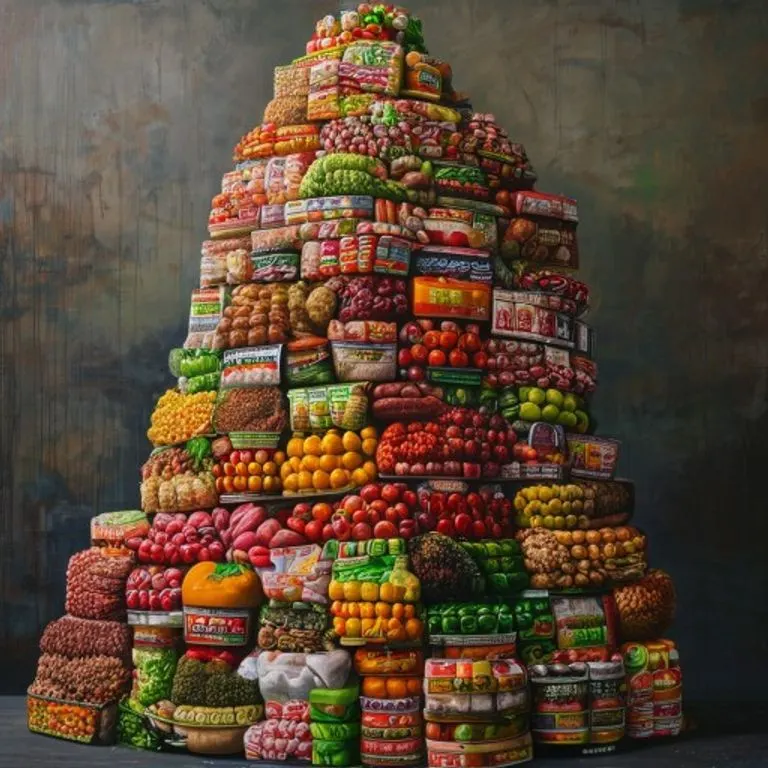
A modern grocery store aisle, showcasing the diverse range of edible "cram" available to consumers.
Beyond its primary edible definition, "cram" can also refer to a wedge or reconstituted piece of wood or metal used to squeeze or force objects, such as pallets or formwork. However, for the purpose of this comprehensive analysis, our focus remains strictly on the edible and retail aspects of the term, exploring the intricate world of food commerce.
Table of Contents
- Grocery Retailing: Fundamentals and Definitions
- Types of Grocery Stores: From Corner Shops to Hypermarkets
- Historical Evolution of Grocery Stores
- Economic Impact and Consumer Spending
- Regional Variations in Grocery Retail
- Food Waste and Sustainability in Grocery Retail
- Cultural and Social Impact of Grocery Stores
Grocery Retailing: Fundamentals and Definitions
Grocery retailing is the business of selling food and household products directly to consumers. These establishments, often called grocery stores or markets, are primarily set up for this purpose. Traditionally, many were owner-operated, offering a curated selection of goods to their local communities. The term "grocery" itself implies a focus on "groceries," which are provisions for the table or house. The core objective of these businesses is to obtain a profit from the trading activity.
While the fundamental concept remains consistent, the scale and scope of grocery retailing have diversified significantly. From small, independent shops to vast commercial complexes, the industry caters to a wide spectrum of consumer needs and preferences. This diversification has led to distinct categories of retail outlets, each with its own operational model and market positioning.
Types of Grocery Stores: From Corner Shops to Hypermarkets
The landscape of food retail is rich with various store formats, each serving a specific niche or broad market segment. Understanding these distinctions helps to appreciate the complexity and adaptability of the grocery industry. The primary difference often lies in ownership, assortment size, and operational scale.
- Grocery Stores (Neighborhood/Corner Shops): These are typically smaller establishments, often owner-operated, offering a limited but essential assortment of food items. They serve local communities, providing convenience and a more personalized shopping experience. Their stock may not be as extensive as larger formats, but their accessibility is a key advantage.
- Supermarkets: Larger than traditional grocery stores, supermarkets offer a wider variety of food and household products, organized into departments. They operate on a self-service model, allowing customers to browse and select items independently. Supermarkets often benefit from economies of scale, offering competitive pricing due to higher sales volumes.
- Department Stores with Food Sections: While primarily focused on non-food merchandise, some large department stores incorporate extensive food sections, often resembling high-end supermarkets or specialty food halls. These aim to provide a comprehensive shopping experience under one roof.
- Specialty Grocery Stores (Greengrocers, Delicatessens): These stores focus on specific types of food. "Greengrocers" (common in Britain) or "product markets" (U.S.) specialize in fresh fruits and vegetables. "Delicatessens" or "convenience stores" often offer prepared foods, snacks, sandwiches, and gourmet items, catering to quick meals or specific culinary tastes.
- Hypermarkets: These are massive retail establishments combining a supermarket and a department store, offering an extremely wide range of products, including food, clothing, electronics, and home goods. Examples like Walmart or Carrefour represent this large-scale, "one-stop-shop" model, often located outside city centers due to their size.
The choice of store format often depends on factors such as location, consumer demographics, and purchasing power. Urban areas might see a prevalence of smaller, specialized stores, while suburban or rural regions might host larger supermarkets and hypermarkets.
Historical Evolution of Grocery Stores
The history of grocery stores is a fascinating journey that mirrors the development of trade, urbanization, and consumer culture. In the United States, for instance, the precursors to modern grocery stores were often trading posts. These establishments sold not only food but also clothing, household items, tools, and various other merchandise, serving as vital hubs for early communities.

A still life arrangement evoking the historical context of general stores and early commerce.
These trading posts gradually evolved into what became known as "general stores" or "country stores." They typically featured adequate facilities for selling bulk goods like flour, dry beans, and baking soda, alongside canned foods. Perishable items, however, were often sourced from more specialized markets. For example, fresh meat would come from a butcher, milk from a local dairy, and eggs and vegetables were often home-produced, bartered with neighbors, or purchased at a farmers' market or greengrocer.
A significant innovation in grocery retailing came with the advent of the self-service store. The first such establishment, "Piggly Wiggly," was opened in 1916 in Memphis, Tennessee, by Clarence Saunders. Before this, customers would provide their orders to clerks, who would then retrieve the items. Saunders' invention revolutionized the shopping experience, reducing the need for numerous employees and streamlining the process. This shift, coupled with the rise of pre-packaged goods and advertising, transformed grocery retail into a more efficient and automated system, as noted by Time magazine in 1929.
Even today, some rural areas retain general stores that offer a wide array of products, from basic foodstuffs to imported goods. Traditionally, these stores extended credit to customers, a system based on trust that allowed farming families to purchase essentials and pay after harvest. This model highlights the deep community ties that often characterized early grocery retail.
Economic Impact and Consumer Spending
The grocery sector plays a substantial role in national economies. Consumer spending on food, both at home and in restaurants, constitutes a significant portion of household expenditures. According to the U.S. Department of Labor, food purchases typically account for around 13% of household spending, placing it behind housing (32%) and transportation (18%). This figure underscores the essential nature of the industry.
Detailed surveys provide insight into average spending patterns. For instance, in 2004, the average U.S. family spent approximately $280 per month, or $3,305 annually, on groceries. Further breakdowns by household size revealed that a single person might spend around $149 per month, a couple $257, and a family of four approximately $396. These statistics highlight the consistent and considerable financial flow through grocery stores, making them vital economic engines.
The economic impact extends beyond direct sales, influencing supply chains, agriculture, logistics, and employment. Grocery retailers are often major employers, providing jobs across various roles, from stock clerks and cashiers to management and specialized buyers. The industry's stability and consistent demand make it a resilient component of economic activity, even during challenging times.
Regional Variations in Grocery Retail
Grocery retail landscapes vary significantly across different regions of the world, shaped by population density, urban planning, cultural preferences, and economic development. These variations dictate the types of stores that thrive and how consumers access their edible "cram."
- Europe: Many European cities, characterized by high population density and historical architecture, often cannot accommodate the sprawling hypermarkets common in other regions. Consequently, smaller, neighborhood grocery stores and specialized markets remain prevalent. However, the rise of "Metro stores" (smaller format supermarkets in urban centers) has led to the decline of some independent shops, while large out-of-town supermarkets and hypermarkets (like Tesco and Sainsbury's in the UK) have also gained ground, albeit often in peripheral locations.
- Canada and the United States: Grocery operations here exhibit a wide range, from family-owned rural stores to boutique chains like Whole Foods Market and Trader Joe's, and large supermarket chains. Food cooperatives, owned by their customers, have also gained popularity. A notable trend is the consolidation of the food business due to the emergence of massive "all-in-one" hypermarkets. These global players, with their immense buying power, have placed significant financial pressure on traditional grocery stores and even national supermarket chains.
- Latin America: Supermarkets have experienced rapid growth since the early 1980s, now accounting for a large percentage of food sales. Examples include Chilean chains like Santa Isabel Jumbo (operating across Chile, Argentina, Brazil, Peru), D&S (Lider and Ekono), and Falabella (with supermarkets like Tottus). These are often subsidiaries of large retail conglomerates that also manage department stores and home improvement outlets. They frequently offer their own credit cards, insurance, and travel agencies, and are involved in developing shopping centers across the region.
The evolution of grocery retail in each region reflects a complex interplay of local traditions, global trends, and strategic business decisions. The convenience of proximity in residential areas remains a significant factor, ensuring that customers can access their daily provisions close to home or work.
Food Waste and Sustainability in Grocery Retail
Food waste is a critical issue within the grocery retail sector, with significant environmental, economic, and social implications. Globally, an estimated 27% of food is lost or wasted annually, a substantial portion of which occurs at the retail and consumer levels. This waste represents not only lost resources but also contributes to greenhouse gas emissions from landfills.
An abstract representation of the intricate global food supply chains that deliver edible "cram" to consumers.
In response to this challenge, many grocery stores, particularly in the United States, have adopted practices to mitigate waste. A common approach is to donate surplus food items—such as deli foods and bread nearing their expiration dates—to homeless shelters or charity kitchens. This not only reduces waste but also addresses food insecurity within communities, showcasing a commitment to social responsibility.
Beyond donations, the industry is exploring various strategies to enhance sustainability. These include optimizing inventory management to reduce spoilage, implementing more efficient cold chain logistics, and educating consumers on proper food storage and consumption. The push towards sustainable practices reflects a growing awareness of environmental impact and the need for more responsible resource management in the production and distribution of edible goods. For further insights into the challenges and solutions related to climate change and sustainability, consider exploring resources on crisis climática.
Cultural and Social Impact of Grocery Stores
Grocery stores are more than just places to buy food; they are integral parts of the social and cultural fabric of communities. Their impact extends to various aspects of daily life, from community gathering points to entry-level employment opportunities.
One significant cultural aspect is the rise of ethnic markets. These specialty grocery stores cater to specific nationalities or cultures, offering products like Italian, Oriental, or Middle Eastern foods that might not be readily available in mainstream supermarkets. Beyond their commercial function, these markets often serve as vital meeting places for immigrant communities, fostering a sense of belonging and cultural continuity. However, the increasing diversification of products in larger supermarkets has, in some cases, reduced the necessity for these highly specialized stores.
From a social perspective, grocery stores have historically been significant employers, particularly for young people entering the workforce. Many teenagers find their first jobs in supermarkets, corner shops, or department stores, gaining valuable experience in customer service, inventory management, and teamwork. This role in youth employment underscores their broader contribution to community development and individual skill-building.
The shift towards larger retail formats and online grocery shopping continues to reshape the cultural experience of buying food. While offering unparalleled convenience and variety, these changes also pose questions about the future of local, community-focused grocery stores and the social interactions they facilitate. The balance between efficiency and community connection remains a key consideration in the evolving landscape of edible "cram" retail.
The U.S. Department of Labor figures indicate that food purchased at home and in restaurants accounts for 13% of household purchases, trailing only housing (32%) and transportation (18%).
The average U.S. family spent US $280 per month or US $3,305 per year in grocery or convenience stores in 2004.
Fuente: Contenido híbrido asistido por IAs y supervisión editorial humana.


Comentarios