
Grocery Stores: Essential Hubs of Community and Commerce | Althox
Grocery stores, often referred to simply as "groceries" or "supermarkets" in contemporary parlance, represent a cornerstone of community life and economic activity across the globe. These establishments are dedicated to the retail sale of a wide array of food products, household necessities, and sometimes even specialized goods, serving as primary points of access for consumers to obtain their daily provisions. Their evolution reflects centuries of human commerce, adapting from rudimentary local markets to the sophisticated, technology-driven retail giants we know today.
The concept of a grocery store is deeply intertwined with the history of food distribution, beginning with small, independent shops known as abacerías, bodegas, or convenience stores in various regions. These early iterations prioritized personalized service, where shopkeepers often knew their customers by name and offered a curated selection of goods. This traditional model fostered strong local ties and a sense of community, a quality that some modern establishments strive to recapture amidst the vastness of large-scale retail.
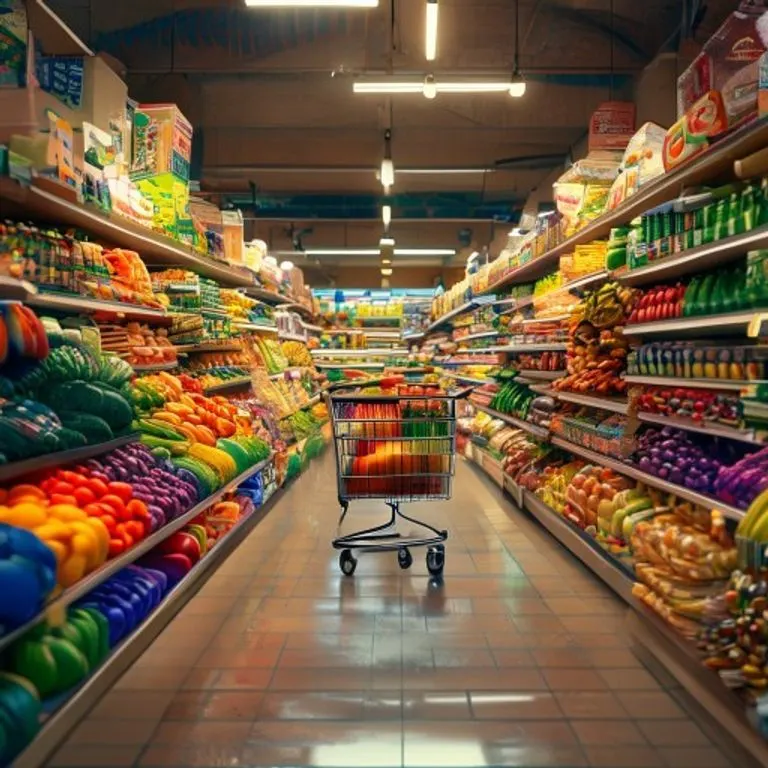
A modern grocery store interior, bustling with activity and offering a vast selection of fresh produce and packaged goods, reflecting contemporary retail design.
Understanding the multifaceted nature of grocery stores requires delving into their historical trajectory, operational mechanics, economic impact, and the ever-changing consumer landscape. From the simple act of purchasing milk and bread to navigating complex supply chains and digital shopping platforms, the grocery sector is a dynamic field that continues to innovate and adapt to societal demands.
Table of Contents
- Historical Evolution of Grocery Retail
- Types of Grocery Stores
- Typical Product Offerings
- Economic Impact and Supply Chain
- Consumer Trends and Modern Groceries
- Challenges and Future of Grocery
- Legal and Regulatory Frameworks
Historical Evolution of Grocery Retail
The history of grocery retail is a fascinating journey that mirrors the development of human civilization itself. Initially, food was acquired directly from producers or through barter in local markets. The emergence of specialized vendors marked a significant step, leading to small shops that focused on specific goods like bread, meat, or produce.
In many cultures, the "abacería" or "bodega" represented the quintessential early grocery store. These were often family-run businesses where the grocer had an intimate knowledge of their inventory and clientele. They offered a limited but essential range of products, typically sold by weight or measure, and provided a social hub for the community. The emphasis was on fresh, local goods and personal interaction, a stark contrast to the anonymity of larger modern stores.
The late 19th and early 20th centuries witnessed a transformative shift with the advent of self-service stores and the concept of the supermarket. Clarence Saunders, with his Piggly Wiggly store in 1916, is widely credited with pioneering the self-service model, allowing customers to select their own items from shelves rather than relying on a clerk. This innovation dramatically reduced labor costs and increased efficiency, paving the way for larger retail formats.
Post-World War II, the rise of suburbanization and increased car ownership fueled the expansion of supermarkets. These larger stores offered a broader selection, lower prices due to economies of scale, and convenient parking. They became one-stop shops, consolidating various specialized vendors under one roof. The latter half of the 20th century saw further consolidation and the emergence of hypermarkets, combining groceries with general merchandise, and discount chains, further intensifying competition and driving down prices for consumers.
Types of Grocery Stores
The grocery landscape is diverse, encompassing various formats designed to meet different consumer needs and preferences. Each type offers a unique shopping experience, product range, and pricing strategy.
- Supermarkets: These are the most common type, offering a wide range of food and household products organized into aisles. They typically feature fresh produce, meat, dairy, baked goods, and a variety of packaged and frozen items. Examples include Kroger, Tesco, and Carrefour.
- Hypermarkets: Larger than supermarkets, hypermarkets combine a full-service grocery store with a department store, selling everything from electronics and clothing to groceries. Walmart Supercenters and Auchan are prime examples.
- Convenience Stores: Smaller stores focused on quick, easy purchases of a limited selection of high-demand items like snacks, drinks, tobacco, and basic groceries. They are often open late and located in easily accessible urban or roadside locations.
- Discount Stores: These stores focus on offering products at lower prices, often by reducing overheads, stocking private label brands, or selling in bulk. Aldi and Lidl are well-known international examples.
- Specialty Food Stores: These cater to niche markets, offering specific types of food such as organic produce, gourmet cheeses, international ingredients, or health foods. Examples include Whole Foods Market or local delis and bakeries.
- Farmers' Markets: Direct-to-consumer markets where local farmers sell their produce, often emphasizing freshness, seasonality, and direct connection between consumer and producer.
- Online Groceries/E-commerce: A rapidly growing segment where customers order groceries online for home delivery or curbside pickup. This includes dedicated online grocers like Amazon Fresh or delivery services from traditional supermarkets.
Typical Product Offerings
A grocery store's inventory is designed to cover the vast majority of a household's needs. While specific offerings vary by store type and region, a comprehensive grocery store typically stocks a broad range of categories. These categories ensure that consumers can find everything from fresh ingredients for meals to cleaning supplies and personal care items.
Core food categories include:
- Dairy and Refrigerated Goods: Milk, yogurt, kefir, cheese, butter, cream, eggs.
- Meats and Poultry: Fresh cuts of beef, pork, chicken, lamb, as well as processed meats like sausages, ham, and paté.
- Produce: A wide selection of fresh fruits (apples, bananas, oranges, berries) and vegetables (lettuce, tomatoes, potatoes, carrots).
- Baked Goods: Fresh bread, pastries, cakes, and cookies, often with an in-store bakery.
- Pantry Staples: Grains (rice, pasta), legumes (beans, chickpeas, lentils), oils, vinegars, spices, condiments (ketchup, mustard).
- Beverages: Soft drinks, juices, bottled water, coffee, tea. Alcoholic beverages like beer, wine, and spirits are also commonly found, depending on local regulations and store type.
- Frozen Foods: Ice cream, frozen meals, vegetables, and fruits.
- Snacks and Confectionery: Chips, candies, chocolates, biscuits.
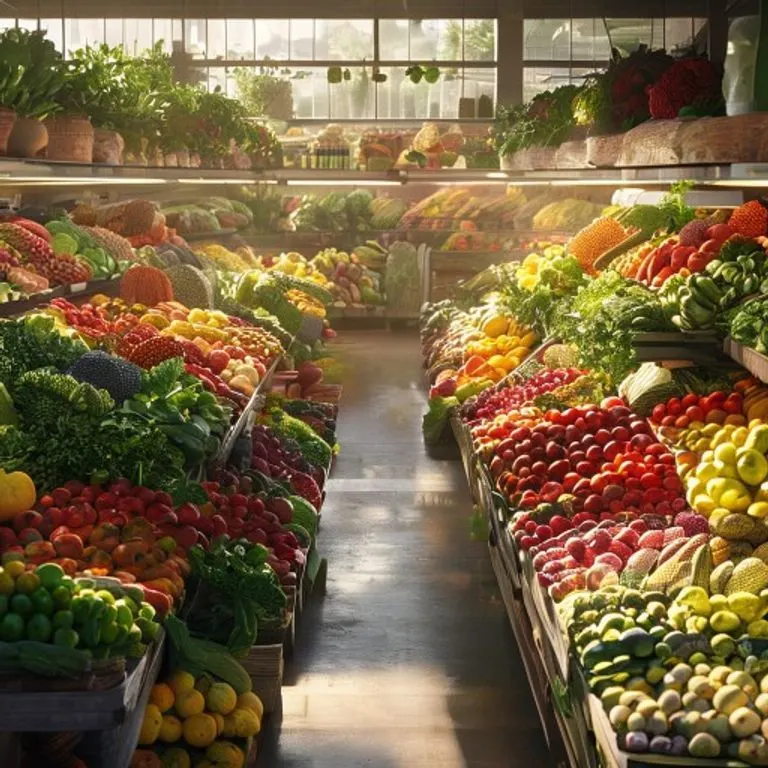
An artistic rendering of fresh, organic produce, highlighting the natural beauty and variety available in grocery stores and markets.
Beyond food, grocery stores stock an extensive range of non-food items crucial for household maintenance and personal well-being:
- Personal Care: Shampoos, conditioners, toothpaste, soap, lotions, cosmetics.
- Household Cleaning: Detergents, disinfectants, cleaning sprays, brushes, brooms, mops, sponges.
- Paper Products: Toilet paper, paper towels, tissues.
- Pet Supplies: Pet food, treats, and basic accessories.
- Health and Wellness: Over-the-counter medications, vitamins, first-aid supplies.
The specific assortment is carefully curated based on consumer demand, local demographics, and competitive factors. Larger stores often have dedicated sections for international foods, organic products, or ready-to-eat meals, reflecting evolving dietary preferences and lifestyles.
Economic Impact and Supply Chain
The grocery sector is a significant contributor to global economies, providing employment, driving agricultural demand, and facilitating the flow of goods from producers to consumers. It is a complex ecosystem underpinned by sophisticated supply chains that ensure products are fresh, safe, and readily available.
The economic impact extends beyond direct sales. It supports a vast network of farmers, manufacturers, transporters, and logistics providers. The industry employs millions worldwide, from store associates and managers to truck drivers and warehouse staff. Furthermore, grocery stores often act as anchors in shopping centers, attracting other businesses and contributing to local economic vitality.
The supply chain for groceries is intricate and highly optimized. It typically involves:
- Sourcing: Raw materials and finished products are sourced from farms, factories, and processing plants globally. This involves negotiations, quality control, and adherence to various standards.
- Logistics and Transportation: Goods are transported via trucks, trains, ships, and planes to distribution centers. This phase requires careful planning to maintain product integrity, especially for perishable items.
- Warehousing and Distribution: Large distribution centers receive, sort, and store products before dispatching them to individual grocery stores. Advanced inventory management systems are crucial here.
- In-store Operations: Once at the store, products are unloaded, stocked, and displayed. This involves managing freshness, pricing, and merchandising to attract customers.
Disruptions in any part of this chain, such as natural disasters, geopolitical events, or pandemics, can have widespread effects on food availability and prices, highlighting the fragility and importance of robust supply chain management. The constant drive for efficiency, sustainability, and resilience is a key focus for the industry.
Consumer Trends and Modern Groceries
Consumer preferences are constantly evolving, driving innovation and adaptation within the grocery sector. Modern grocery stores are responding to a variety of trends, from health consciousness to technological convenience.
- Health and Wellness: There's a growing demand for organic, natural, gluten-free, plant-based, and locally sourced products. Consumers are increasingly scrutinizing ingredient labels and seeking transparency regarding food origins and production methods.
- Convenience: Busy lifestyles fuel the demand for ready-to-eat meals, meal kits, and pre-cut ingredients. Online grocery shopping, home delivery, and curbside pickup services have become indispensable for many.
- Sustainability and Ethics: Shoppers are more concerned about the environmental impact of their food choices, leading to increased demand for sustainably packaged products, reduced food waste initiatives, and ethically sourced goods.
- Technology Integration: Digital price tags, self-checkout kiosks, loyalty programs, and personalized promotions delivered via apps are becoming standard. Data analytics helps retailers understand purchasing patterns and optimize inventory.
- Experiential Shopping: Some high-end or specialty stores are focusing on creating a unique shopping experience, with in-store cafes, cooking classes, or tasting stations, transforming grocery shopping into a leisure activity.
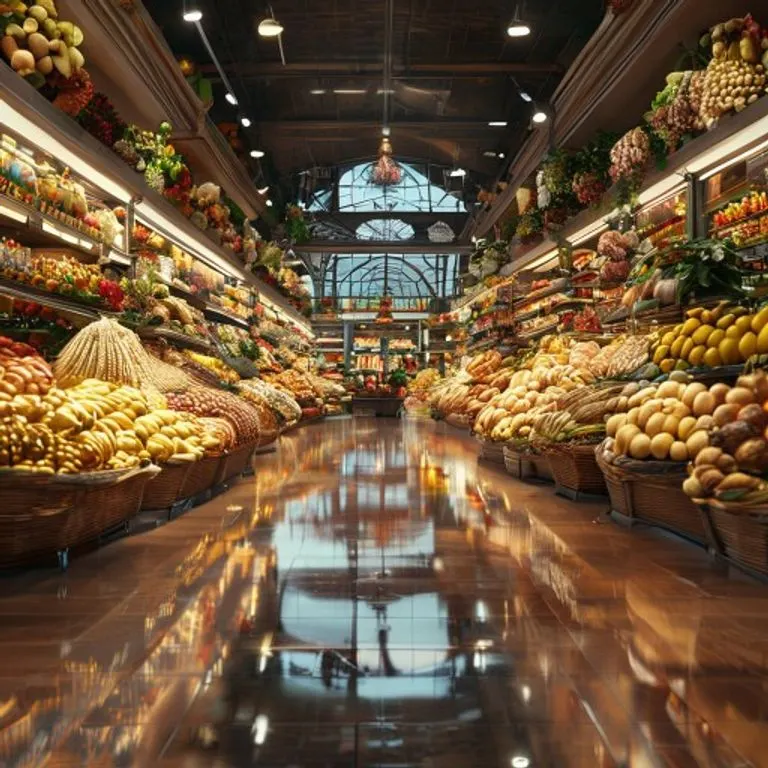
A futuristic 3D illustration depicting digital shopping carts and delivery drones, symbolizing the evolving landscape of online grocery services and logistics.
The shift towards online grocery shopping, accelerated by recent global events, has fundamentally altered consumer behavior. Retailers are investing heavily in e-commerce infrastructure, efficient last-mile delivery solutions, and personalized digital experiences to meet these new demands. This trend is not just about convenience but also about expanding reach and offering a broader selection that might not be feasible in a physical store.
Challenges and Future of Grocery
Despite its essential nature, the grocery industry faces numerous challenges, ranging from intense competition and thin profit margins to environmental pressures and labor issues. Navigating these complexities will define the future of grocery retail.
Key challenges include:
- Competition: The market is highly competitive, with traditional supermarkets, discount stores, online retailers, and specialty shops all vying for consumer dollars.
- Food Waste: A significant global issue, food waste occurs at every stage of the supply chain, from farm to consumer. Grocers are under pressure to implement strategies to reduce spoilage and unsold inventory.
- Labor Costs: The retail sector often operates on tight margins, making labor costs a constant challenge, especially with increasing minimum wage demands and the need for skilled staff.
- Supply Chain Volatility: Geopolitical instability, climate change, and global health crises can disrupt supply chains, leading to shortages and price fluctuations.
- Technological Investment: Keeping pace with technological advancements, from AI-driven inventory management to automated warehouses and delivery systems, requires substantial capital investment.
The future of grocery is likely to be characterized by a blend of technological innovation and a renewed focus on community and sustainability. We can expect to see more personalized shopping experiences, driven by AI and data analytics, offering tailored recommendations and promotions. Automation will play a larger role in warehouses and potentially in stores, optimizing efficiency and reducing labor-intensive tasks.
Furthermore, the emphasis on sustainability will intensify, with more stores adopting eco-friendly practices, offering bulk refill stations, and prioritizing local and ethical sourcing. The line between physical and digital shopping will continue to blur, with seamless integration of online ordering, in-store pickup, and rapid home delivery. The traditional "abacería" model of personalized service might even see a resurgence in niche markets, offering a counterpoint to the efficiency of large-scale retail.
Legal and Regulatory Frameworks
Grocery stores operate within a complex web of legal and regulatory frameworks designed to ensure food safety, fair trade practices, and consumer protection. These regulations vary significantly by country and even by local jurisdiction, covering everything from hygiene standards to labeling requirements and the sale of specific products.
Key areas of regulation often include:
- Food Safety and Hygiene: Strict rules govern the handling, storage, and preparation of food to prevent contamination and foodborne illnesses. This includes temperature controls, sanitation protocols, and staff training.
- Labeling Requirements: Products must carry accurate and comprehensive labels detailing ingredients, nutritional information, allergens, country of origin, and expiration dates.
- Weights and Measures: Regulations ensure that products sold by weight or volume are accurately measured and priced.
- Advertising and Marketing: Laws prevent misleading advertising and ensure that promotions are fair and transparent.
- Alcohol and Tobacco Sales: The sale of age-restricted products like alcohol and tobacco is heavily regulated, requiring licenses and strict adherence to age verification protocols.
- Labor Laws: Grocery stores must comply with labor laws regarding wages, working conditions, hours, and employee rights.
- Environmental Regulations: Rules related to waste management, recycling, and energy consumption are increasingly important, especially concerning plastic packaging and food waste.
Compliance with these regulations is paramount for grocery retailers, as violations can lead to severe penalties, reputational damage, and loss of consumer trust. Regulatory bodies, such as the FDA in the United States or the EFSA in Europe, play a crucial role in setting and enforcing these standards, constantly updating them in response to scientific advancements and public health concerns. The legal landscape is dynamic, requiring continuous monitoring and adaptation from businesses in the sector.
Fuente: Contenido híbrido asistido por IAs y supervisión editorial humana.