
Digital Cryptozoology Exploring Anomalies Online World
The digital realm, a vast and ever-expanding universe of information and interaction, has given rise to its own unique brand of folklore and mystery. Just as traditional cryptozoology delves into the study of hidden animals like Bigfoot or the Loch Ness Monster, a new field, "digital cryptozoology," emerges to explore the mythical anomalies and rare, often elusive, creatures that inhabit the online world. This fascinating discipline examines the origins, evolution, and cultural impact of entities that exist primarily within digital spaces, from viral memes and creepypastas to AI-generated specters and virtual world glitches. It's a journey into the collective unconscious of the internet, where shared anxieties, humor, and creativity manifest as digital cryptids.
Understanding Digital Cryptozoology
Digital cryptozoology can be defined as the study of unconfirmed or unclassified digital entities, phenomena, or narratives that gain significant cultural traction within online communities. Unlike its traditional counterpart, which seeks physical evidence of unknown creatures, digital cryptozoology examines the virtual footprints, shared stories, and psychological resonance of these online anomalies. It's less about proving their physical existence and more about understanding their impact on human perception, social interaction, and digital culture.
The internet provides a fertile ground for such entities to emerge. Its decentralized nature, coupled with rapid information dissemination and the ability for collective storytelling, allows myths and legends to form and evolve at an unprecedented pace. These digital cryptids often reflect contemporary fears, hopes, and societal anxieties, much like ancient myths reflected the concerns of their eras. They are not merely hoaxes, but complex cultural artifacts that reveal much about our relationship with technology and each other.
The Genesis of Online Cryptids
The birth of a digital cryptid is often a spontaneous, organic process. It can begin with a single image, a cryptic post, or an anonymous forum discussion that sparks collective imagination. These initial seeds are then nurtured by user-generated content, where individuals contribute their own interpretations, fan art, fictional narratives, and even fabricated "evidence." The anonymity afforded by the internet plays a crucial role, allowing creators to detach from their creations and letting the entities take on a life of their own.
Social media platforms and online forums act as breeding grounds, facilitating the rapid spread and evolution of these digital creatures. A simple image can become a globally recognized figure, inspiring countless derivatives and discussions. This process mirrors how traditional folklore spread through oral traditions, but at an exponentially faster rate and with a global reach. The collective belief, even if ironic or playful, imbues these entities with a form of virtual existence, making them "real" within the context of online culture.
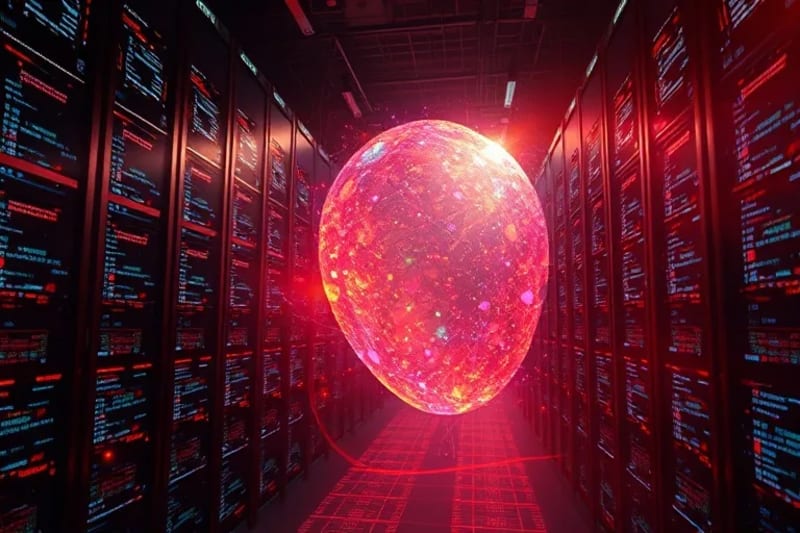 A mysterious digital entity coalescing from data streams and glowing code within a futuristic server environment, symbolizing the emergence of online anomalies.
Categories of Digital Anomalies
Digital cryptids manifest in diverse forms, each reflecting different aspects of online interaction and technological capabilities. Understanding these categories helps to classify the vast array of entities encountered in the digital wild. From the humorous to the terrifying, these anomalies populate our screens and conversations.
- Memetic Cryptids: These are entities that gain viral popularity through internet memes. Often originating from a single image or concept, they evolve through countless iterations, becoming recognizable figures in online discourse. Examples include Slender Man, the subject of numerous creepypastas and even real-world incidents, and Momo, a disturbing sculpture that became the face of an alleged online challenge. The study of how these spread and impact culture is closely related to the psychology of memes.
- AI-Generated Entities: With advancements in artificial intelligence, particularly generative adversarial networks (GANs), the line between human creation and machine-generated content blurs. AI can now create hyper-realistic images of non-existent people, animals, or abstract forms, leading to new types of digital cryptids that are truly "born" from algorithms. These can be unsettlingly convincing and raise questions about authenticity.
- Digital Folklore and Urban Legends: These encompass stories of haunted websites, cursed images (like "Smile Dog"), or online rituals that promise supernatural outcomes. They often tap into primal fears, adapted for the digital age. These narratives thrive on shared belief and the thrill of the unknown, much like traditional urban legends.
- Virtual World Cryptids: Within massive multiplayer online games (MMOs) and other virtual environments, players sometimes encounter glitches, rare non-player characters (NPCs) with unusual behaviors, or unexplained phenomena that take on legendary status. These can be accidental programming errors or intentional Easter eggs, but their mystery makes them cryptids within their digital ecosystems.
The variety of these digital anomalies underscores the internet's capacity for creating new forms of cultural expression and shared mythology. Each category offers a unique lens through which to understand the evolving relationship between humanity and its technological creations.
Psychological and Sociological Dimensions
The allure of digital cryptids lies deep within human psychology. Our innate curiosity and fascination with the unknown drive us to explore these online mysteries. The internet provides a safe, albeit sometimes unsettling, space to confront fears and explore taboo subjects without direct physical risk. This engagement can be a form of catharsis, allowing individuals to process anxieties related to technology, surveillance, or the loss of control in an increasingly complex world.
Sociologically, digital cryptids foster community. Enthusiasts gather in forums, subreddits, and social media groups to share theories, "evidence," and creative works related to their favorite online monsters. This collective engagement strengthens social bonds and creates a shared cultural identity around niche interests. The discussion around these entities can range from playful speculation to serious investigative efforts, blurring the lines between entertainment and genuine inquiry. The immersive nature of virtual environments, similar to experiences in lucid dreams or virtual reality, can heighten the sense of presence and belief in these digital phenomena.
 An abstract digital artwork depicting a creature formed by interconnected nodes and lines, illustrating the complex spread of digital folklore and anomalies.
Moreover, the creation and propagation of digital cryptids can serve as a form of social commentary or artistic expression. They can satirize societal norms, challenge established truths, or simply provide an outlet for creative storytelling. The dynamic nature of the internet allows these narratives to evolve rapidly, adapting to new contexts and reflecting current events, making them ever-relevant cultural touchstones.
Cultural Impact and Artistic Expression
The influence of digital cryptids extends far beyond online forums. They have permeated mainstream culture, inspiring a new wave of artistic expression across various media. Video games frequently feature creatures or narratives directly inspired by creepypastas or internet urban legends, offering players immersive experiences with these digital monsters. Films, television shows, and literature have also adapted these stories, bringing them to broader audiences and further cementing their place in contemporary mythology.
This cross-pollination between online folklore and traditional media highlights the enduring human need for storytelling and the exploration of the unknown. Digital cryptids provide a fresh canvas for creators to explore themes of fear, identity, and the boundaries of reality in an increasingly digital world. They challenge our perceptions and invite us to question what is real and what is merely a construct of collective imagination. Just as ancient civilizations used stories to explain the inexplicable, as seen in the study of Mesoamerican astrology and ancient calendars, modern society uses digital cryptids to grapple with the mysteries of the internet.
Navigating the Ethical Landscape
While digital cryptozoology offers a rich field for cultural study and entertainment, it also presents significant ethical challenges. The ease with which digital content can be manipulated and disseminated gives rise to concerns about misinformation and hoaxes. Deepfakes, for instance, can create convincing but entirely fabricated images or videos, blurring the lines of reality to a dangerous degree. This can lead to real-world consequences, from reputational damage to the spread of panic.
- Misinformation and Hoaxes: The rapid spread of unverified claims or deliberately false narratives about digital cryptids can confuse and mislead audiences. Distinguishing between genuine folklore and malicious hoaxes becomes increasingly difficult.
- Deepfakes and AI Manipulation: As AI technology advances, the creation of hyper-realistic but fake digital entities becomes more accessible. This poses risks to individual privacy, public trust, and the integrity of information.
- Digital Identity and Privacy: The creation of digital cryptids can sometimes involve the unwitting use or manipulation of real individuals' images or data, raising serious privacy concerns. Protecting digital identity in a world saturated with manipulated content is a growing challenge.
- Psychological Impact: While often entertaining, some digital cryptids, particularly creepypastas, are designed to be disturbing. For vulnerable individuals, exposure to such content can have negative psychological effects, including anxiety and paranoia. This is a concern similar to the hidden threats of cryptojacking, where digital anomalies can have real-world impacts.
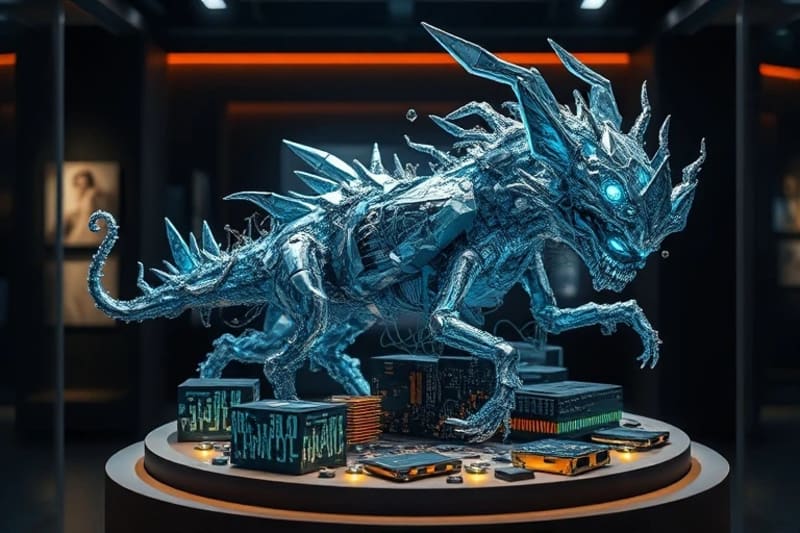 A stylized 3D render of ancient-looking digital artifacts and relics, including fragmented data crystals and corrupted hard drives, suggesting a museum of forgotten digital myths.
Addressing these ethical dilemmas requires a multi-faceted approach, involving media literacy education, responsible technology development, and robust community guidelines. The goal is to foster a digital environment where creativity and exploration can thrive without compromising truth or individual well-being.
The Future of Digital Cryptozoology
As technology continues to evolve, so too will the landscape of digital cryptozoology. The advent of more sophisticated virtual and augmented reality environments promises new frontiers for digital cryptids. Imagine encountering a hyper-realistic, AI-driven entity within a fully immersive VR world, or seeing a digital ghost projected onto your physical surroundings through AR glasses. These advancements will blur the lines between the digital and physical even further, making the study of these phenomena more complex and intriguing.
Furthermore, advanced AI could generate cryptids that are not merely static images or stories, but dynamic, interactive entities capable of learning and evolving. These "living" digital cryptids could present new challenges and opportunities for interaction, perhaps even developing their own forms of communication or digital ecosystems. The future of digital cryptozoology is inextricably linked to the future of technology itself, promising an endless supply of new mysteries to uncover.
In conclusion, digital cryptozoology is a vibrant and evolving field that offers profound insights into human nature and our relationship with the digital world. From the playful meme to the terrifying creepypasta, these online anomalies serve as a mirror, reflecting our collective fears, fantasies, and the boundless potential of human creativity in the digital age. As we continue to build and explore the internet, the rare and mythical creatures of this new frontier will undoubtedly continue to emerge, challenging our perceptions and expanding the very definition of existence.
Explore Further Insights
Source: Hybrid content assisted by AI and human editorial supervision.


Comentarios