
Blood on the Dance Floor: Michael Jackson's Dark Narrative | Althox
Michael Jackson's "Blood on the Dance Floor" stands as a compelling, yet often debated, piece within his monumental discography. Released as the lead single from his 1997 remix album, "Blood on the Dance Floor: HIStory in the Mix," this track immediately captivated audiences with its dark narrative and pulsating New Jack Swing rhythms.
The song weaves a tale of seduction, betrayal, and danger, personified by the enigmatic character of Susie, making it a lyrical exploration of themes Michael Jackson frequently touched upon: innocence corrupted and the darker side of human interaction. This complex narrative, coupled with its distinctive sound, solidified its place as a memorable, if controversial, chapter in the King of Pop's career.
Michael Jackson's electrifying presence during the HIStory era, a period of intense artistic output and global scrutiny.
Beyond its immediate commercial impact, "Blood on the Dance Floor" offers a rich tapestry for analysis, revealing Jackson's continuous evolution as an artist willing to explore darker, more mature lyrical territories. This article delves deep into the song's genesis, its intricate production, the context of its accompanying album, and its lasting cultural resonance.
The Genesis and Lyrical Intrigue of "Blood on the Dance Floor"
The narrative core of "Blood on the Dance Floor" is built around the character of Susie, a seductive and ultimately treacherous figure who lures the protagonist into a dangerous trap. Michael Jackson's lyrics, co-written with Teddy Riley, paint a vivid picture of a dark encounter, often interpreted as a commentary on the predatory aspects of the entertainment industry or even personal relationships.
The song delves into themes of manipulation, paranoia, and the thin line between attraction and peril. These themes resonated deeply with the King of Pop's public image at the time, particularly given the intense media scrutiny he faced. The lyrical content suggests a man grappling with external pressures and internal conflicts, presenting a more mature and somber tone compared to some of his earlier work.
Musically, the track is a quintessential example of New Jack Swing, a genre that blends R&B, hip-hop, and dance-pop elements, characterized by its prominent drum machine beats and synthesizers. This style was popularized in the late 1980s and early 1990s, with Teddy Riley being one of its pioneers. The choice of this genre allowed Jackson to maintain a contemporary sound while exploring darker lyrical territories.
The song's rhythmic intensity perfectly complements its dramatic narrative, creating an urgent and unsettling atmosphere that draws the listener in. It’s a sonic landscape designed to evoke the tension and suspense inherent in the story of Susie's betrayal, making it an auditory thriller for the dance floor. The song's specific recording history adds another layer to its intrigue.
While officially released in 1997, parts of it were reportedly recorded as early as March 15, 1991. This extended gestation period suggests a meticulous crafting process, allowing the song to evolve over several years before its final release. This dedication to perfection is characteristic of Jackson's artistry, where every element, from the beat to the vocal delivery, was carefully considered to achieve maximum impact.
The gap between initial recording and final release also hints at the song's timeless quality within its genre, proving its relevance even years after its initial conception. This meticulous approach underscores Jackson's commitment to delivering a polished and impactful musical statement.
Production Masterclass: Michael Jackson and Teddy Riley's Collaboration
The collaboration between Michael Jackson and Teddy Riley on "Blood on the Dance Floor" was a significant moment in pop music, bringing together two titans of their respective fields. Riley, a visionary producer and songwriter, is widely credited with shaping the New Jack Swing sound, infusing it with his distinctive drum programming and synth arrangements.
His previous work with Jackson on the "Dangerous" album had already proven their synergistic creative power, resulting in hits like "Metaverso Derecho Digital: Propiedad, Identidad, Jurisdicción" and the title track. For "Blood on the Dance Floor," they pushed the boundaries further, crafting a track that was both commercially accessible and artistically adventurous, leaning into a more aggressive and darker sonic palette.

The enduring presence of "Blood on the Dance Floor" in music history, reflecting its impact and the intense media attention surrounding Jackson.
The production of the song is a masterclass in layering and texture. The relentless beat, often described as driving or propulsive, forms the backbone, over which intricate synth lines, rhythmic guitar riffs, and Jackson's signature vocalizations are meticulously woven. The song's instrumentation is sparse yet impactful, allowing each element to cut through with precision.
Notice how the bassline grooves beneath the surface, providing a sinister undertone that reinforces the lyrical themes. This minimalist approach ensures that the focus remains on the narrative and Jackson's urgent, often whispered, vocal delivery, enhancing the sense of suspense and intimacy. The careful balance between these elements creates a dense yet clear soundscape.
Beyond the musical arrangement, the vocal production on "Blood on the Dance Floor" is particularly noteworthy. Jackson employs a range of vocal techniques, from breathy whispers to sharp, percussive exclamations, mirroring the emotional rollercoaster of the story. His ad-libs and background harmonies are strategically placed, adding depth and urgency without cluttering the mix.
This meticulous attention to vocal detail is a hallmark of Jackson's work, and it's expertly highlighted here by Riley's production, ensuring that every nuance of his performance is felt. The overall effect is a track that feels both menacing and irresistibly danceable, a testament to the combined genius of its creators. Their synergy resulted in a track that pushed sonic boundaries.
"HIStory in the Mix": Album Context and Critical Reception
"Blood on the Dance Floor" served as the title track and a key new song on the album "Blood on the Dance Floor: HIStory in the Mix," released by Epic Records. This album was unique in Jackson's catalog, primarily comprising remixes of tracks from his critically acclaimed 1995 double album, "Inversiones Mercados Emergentes Verdes: Fondos Sostenibles Doble Impacto," alongside five new original songs.
The decision to release a remix album with new material was a strategic move, allowing Jackson to keep his music fresh and relevant in a rapidly evolving dance music scene, while also offering fans something new to anticipate. It showcased his willingness to experiment with contemporary sounds and maintain his status as a musical innovator.
The album's reception was somewhat polarized. While it achieved significant commercial success, particularly internationally, becoming the best-selling remix album of all time, critical opinions were divided. Some critics praised its adventurous spirit and the quality of the new tracks, including "Blood on the Dance Floor."
Others found the mix of remixes and new material disjointed or felt that the remixes didn't always enhance the original compositions. Despite the mixed reviews, the album solidified Jackson's presence on the global charts and proved his enduring appeal, especially in Europe where it performed exceptionally well. It highlighted his artistic versatility and his knack for creating music that resonated with a diverse global audience.
Contextually, "Blood on the Dance Floor: HIStory in the Mix" was released during a period of intense public scrutiny for Michael Jackson. The album, therefore, can also be seen as an artistic response to the pressures and controversies surrounding his life. The darker themes present in "Blood on the Dance Floor" and other new tracks on the album reflect a more introspective and perhaps defensive stance, offering listeners a glimpse into the emotional landscape of an artist constantly under the microscope.
This blend of personal expression with cutting-edge musical production makes the album, and its title track, a fascinating study in how an artist uses their craft to navigate their world. It represents a pivotal moment in his career where he channeled personal struggles into artistic output.
Global Chart Dominance: The Single's Commercial Success
"Blood on the Dance Floor" quickly asserted its commercial dominance upon its release on March 21, 1997. It soared to the top of the charts in numerous countries, most notably becoming a number one hit in the United Kingdom, a significant achievement for any artist. Its success was not limited to the UK; the single also performed exceptionally well across Europe, reaching the top spot in Spain, Denmark, Finland, and Italy, and charting highly in many others.
This widespread international appeal underscored Michael Jackson's unparalleled global reach and his ability to consistently deliver music that resonated with diverse audiences worldwide, despite facing ongoing media challenges at the time. The single's robust chart performance can be attributed to several factors.
Firstly, Michael Jackson's immense star power ensured immediate attention and sales upon release. Secondly, the song's infectious New Jack Swing beat and dance-oriented production made it a staple in clubs and on radio playlists, particularly in Europe where dance music enjoyed widespread popularity. Its edgy themes and memorable chorus also contributed to its appeal, offering a compelling blend of pop sensibility and a darker narrative.
This combination helped it cut through the crowded music landscape of the late 90s, cementing its status as a significant hit for the King of Pop. While its US chart performance was more modest compared to some of his previous blockbusters, peaking at number 42 on the Billboard Hot 100, its international success was undeniable.
This disparity often reflected differing market tastes and radio programming strategies between regions. However, the global impact of "Blood on the Dance Floor" was crucial in maintaining Jackson's commercial momentum between major studio albums. It demonstrated that even with a remix compilation, his new material could generate massive excitement and achieve top-tier chart positions, reinforcing his legacy as a global phenomenon.
The single's performance highlighted the evolving nature of the music industry and Jackson's adaptability within it. For more insights into the music industry, you can explore the Metaverso Derecho Digital: Propiedad, Identidad, Jurisdicción.
Deconstructing the Remixes: Versions and Impact
One of the most fascinating aspects of "Blood on the Dance Floor" is the sheer variety and quality of its single releases and remixes. Michael Jackson, a pioneer in extending the life of his songs through innovative mixes, ensured that this track received similar treatment. The different versions catered to various markets and dance floors, each offering a unique interpretation of the original.
The UK #1 single, for example, featured the album version at 4:12, alongside several extended remixes like "TM's Switchblade Mix" (8:39), "Refugee Camp Mix" (5:27), and the expansive "Fire Island Vocal Mix" (8:57) and "Fire Island Dub" (8:55). These mixes dramatically recontextualized the song, stretching its pulsating beats and eerie atmosphere into extended club anthems.
The UK single #2 continued this trend, presenting another array of interpretations. While still featuring the original track, it offered the "TM's Switchblade Edit" (8:39 – despite being an edit, the length suggests a unique version, possibly an extended radio-friendly cut) and the "Fire Island Radio Edit" (8:57). A notable inclusion was "Sustainable Energy Future: Nuclear Fusion, Storage Innovations" (6:55), linking the single back to his previous album and showcasing the continuity of his work with top-tier remixers.
These various edits and mixes highlight the 90s culture of maximizing a song's impact across different media, from pop radio to underground clubs, ensuring maximum penetration and appeal. The US and EU singles also presented their own distinct tracklists, demonstrating how record labels strategically tailored releases for regional preferences.
The US single included shorter edits for radio ("TM's Switchblade Edit - long" at 4:11, "Refugee Camp Edit" at 3:19, "Fire Island Radio Edit" at 3:50) alongside a much longer "TM's Switchblade Mix - long" at a sprawling 10:00. The EU single (EPC 664355 2) provided a different configuration, opting for a slightly longer original track at 4:14 and featuring the "Fire Island Vocal Mix" (8:56) and "TM's Switchblade Mix" (8:38), plus "Dangerous (Roger's Dangerous Club Mix)" (6:56).
This comprehensive approach to remixes not only offered immense value to fans but also positioned "Blood on the Dance Floor" as a versatile and enduring track capable of endless reinvention. You can find more details about Ciberseguridad Industrial Realidad Aumentada Fábrica Futuro.
The Iconic Music Video: Visual Storytelling and Symbolism
The music video for "Blood on the Dance Floor" is as pivotal to its legacy as the song itself. Directed by Michael Jackson and Vincent Paterson, the video is a visually stunning and thematically rich portrayal of the song's dark narrative. Set in a Latin-themed nightclub, it depicts Jackson observing a seductive woman named Susie, mirroring the lyrical content.

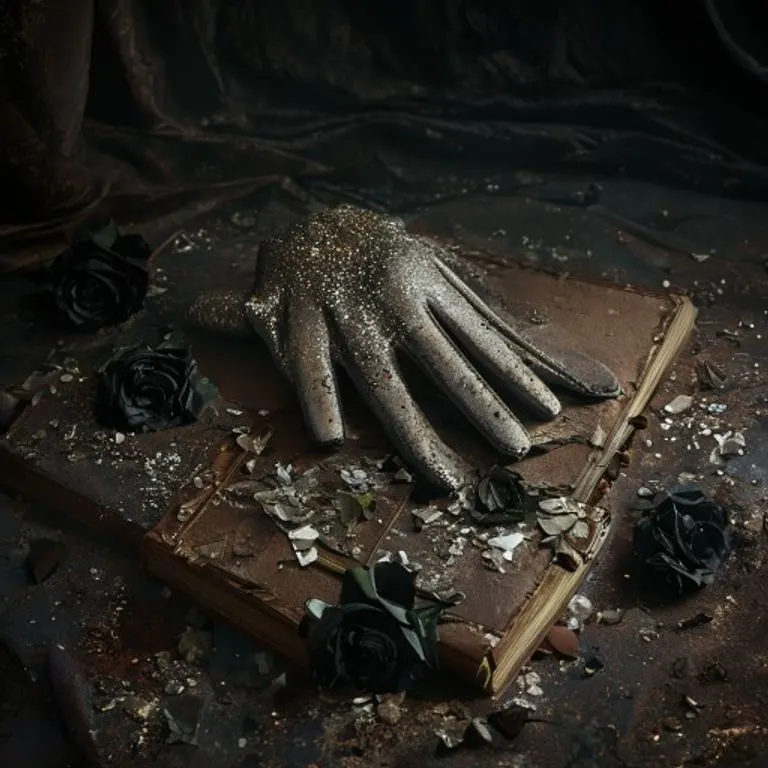
Abstract representation of the song's themes of betrayal and danger, reflecting the fragmented and intense narrative.
His electrifying dance routine, characterized by sharp, aggressive movements and intricate footwork, is a central focus, showcasing his unparalleled artistry as a performer. The choreography is not merely a display of skill but an extension of the storytelling, conveying tension, desire, and ultimately, a sense of impending doom.
Symbolism abounds within the video. The color red, for instance, is used prominently, signifying passion, danger, and of course, blood. The dynamic interplay between Jackson and Susie, often through suggestive glances and physical proximity, builds the dramatic tension. Jackson's signature fedora and tailored suit, while iconic, take on a more shadowy persona in this setting, emphasizing the character he embodies within the narrative.
The video's production values are high, featuring elaborate set design and atmospheric lighting that perfectly capture the enigmatic and slightly menacing mood of the song. It truly is a visual masterpiece that elevates the song's impact and provides a deeper understanding of its themes. The attention to detail in every frame contributes to its lasting impression.
The impact of the "Blood on the Dance Floor" music video was immediate and significant. It premiered during a time when MTV and music videos held immense cultural sway, and Jackson consistently delivered cinematic experiences that pushed boundaries. The video was a talking point, garnering both praise for its artistic merit and debate over its darker themes and suggestive imagery.
It reinforced Jackson's reputation as a visual artist who used the medium to tell complex stories and connect with his audience on a profound level. Even today, the video remains a powerful testament to his innovative vision and enduring influence on visual storytelling in music. It stands as a testament to his comprehensive artistic approach.
"Blood on the Dance Floor": A Legacy Reevaluated and Enduring Impact
Over the years, "Blood on the Dance Floor" has undergone a critical reevaluation, moving from a somewhat controversial single to a recognized highlight in Michael Jackson's catalog. Initially overshadowed by the media scrutiny surrounding Jackson and the mixed reception of its parent album, the song's artistic merits have become increasingly appreciated.
Its dark themes and innovative production now stand out as a testament to Jackson's willingness to experiment and challenge perceptions. The track's blend of New Jack Swing with a more ominous atmosphere showcased his versatility, proving he could navigate complex emotional landscapes within a danceable framework. This artistic courage is a key part of its enduring legacy.
The song's influence can be seen in various contemporary artists who draw inspiration from its unique sound and narrative approach. Its impact extends beyond music, touching on discussions about celebrity, media, and the darker facets of human relationships. It serves as a reminder of Jackson's ability to create art that provokes thought and discussion, even decades after its release.
Furthermore, "Blood on the Dance Floor" continues to be a favorite among fans, particularly those who appreciate Jackson's edgier and more experimental work. Its intricate remixes are still played in clubs, and its music video is studied for its groundbreaking choreography and visual storytelling. The song's status as the best-selling remix album of all time also solidifies its commercial significance.
In retrospect, "Blood on the Dance Floor" represents a pivotal moment where Michael Jackson, despite immense external pressures, continued to innovate and express himself through his art. It is a powerful statement of resilience and artistic integrity, cementing its place as a significant chapter in the King of Pop's illustrious career.
Musical Analysis: New Jack Swing and Beyond
"Blood on the Dance Floor" is a prime example of the New Jack Swing genre, characterized by its fusion of R&B, hip-hop, and dance-pop. The song features a driving, syncopated drum machine beat, often attributed to Teddy Riley's pioneering work in the genre. This rhythmic foundation provides an irresistible groove that is both dark and danceable.
Synthesizers play a crucial role, creating atmospheric textures and melodic hooks that contribute to the song's eerie and suspenseful mood. The bassline is particularly noteworthy, often described as menacing, providing a deep, pulsating undercurrent that reinforces the lyrical themes of danger and seduction. This combination of elements creates a unique sonic identity.
Beyond the typical New Jack Swing elements, the song incorporates subtle rock influences, particularly in its guitar riffs, which add a layer of aggression and intensity. This fusion demonstrates Jackson's continuous effort to push musical boundaries and integrate diverse genres into his pop framework. The arrangement is complex yet cohesive, with each instrument serving a specific narrative purpose.
The song's structure is also carefully crafted, building tension through its verses and releasing it in the powerful, yet unsettling, chorus. The use of vocal samples and ad-libs further enhances its dynamic quality, making it a rich auditory experience. This intricate musicality solidifies its place as a sophisticated piece of pop music.
The Persona of Susie: Interpretations and Social Commentary
The character of Susie in "Blood on the Dance Floor" is central to its narrative and thematic depth. She is portrayed as a femme fatale, a seductive figure who leads the protagonist into a perilous situation. This character has been subject to various interpretations, reflecting broader societal concerns and Jackson's personal experiences.
One common interpretation views Susie as a metaphor for the predatory aspects of the entertainment industry itself. Given Jackson's lifelong experience with fame and the intense scrutiny he faced, this reading suggests the song is a commentary on how the industry can exploit and ultimately betray its stars. The allure and danger of fame are intertwined in Susie's character.
Another perspective sees Susie as representing manipulative individuals in personal relationships, highlighting themes of betrayal and emotional danger. This universal theme resonates with listeners who have experienced similar dynamics, making the song's narrative relatable despite its specific context. The ambiguity of Susie's true intentions adds to the song's intrigue.
The character also touches upon the idea of innocence corrupted, a recurring motif in Jackson's work. Susie's deceptive nature contrasts with the initial attraction, reflecting a loss of purity or trust. This complex portrayal allows for a multi-layered understanding of the song, elevating it beyond a simple dance track.
Jackson's Vocal Performance: Nuance and Emotion
Michael Jackson's vocal performance on "Blood on the Dance Floor" is a masterclass in conveying emotion and narrative through subtle nuances. He employs a wide range of vocal techniques that perfectly complement the song's dark and suspenseful themes. His delivery is often characterized by breathy whispers, creating an intimate and conspiratorial tone that draws the listener in.
These whispers are juxtaposed with sharp, percussive exclamations and powerful vocalizations, particularly during the chorus, which mirror the emotional rollercoaster of the story. This dynamic contrast adds significant tension and urgency to the track, making his performance incredibly captivating. The vocal shifts are deliberate and impactful.
Jackson's signature ad-libs and background harmonies are strategically placed throughout the song, adding depth and texture without cluttering the mix. These vocal embellishments serve to heighten the dramatic effect, emphasizing key lyrical phrases and contributing to the overall sense of unease and excitement. His control and precision are evident in every vocal layer.
The emotional intensity of his performance is palpable, conveying a sense of paranoia, desire, and ultimately, a warning. This meticulous attention to vocal detail is a hallmark of Jackson's artistry, and it's expertly highlighted by Teddy Riley's production, ensuring that every nuance of his performance is felt and understood by the listener. It's a testament to his interpretive genius.
Fuente: Contenido híbrido asistido por IAs y supervisión editorial humana.


Comentarios