
Biomedical Engineering UPF: Advanced Simulation Technology | Althox
The Universitat Pompeu Fabra (UPF) has consistently been at the forefront of educational innovation, particularly in the burgeoning field of biomedical engineering. A pivotal development in the 2011-2012 academic year marked a significant leap forward, equipping students with state-of-the-art simulation technology. This initiative, born from a strategic partnership between UPF's Polytechnic School and the leading software company Ansys, provided 25 advanced workstations designed for intricate multi-physical factor simulations. This integration has fundamentally transformed the learning experience, preparing a new generation of engineers for the complex challenges of modern medicine.
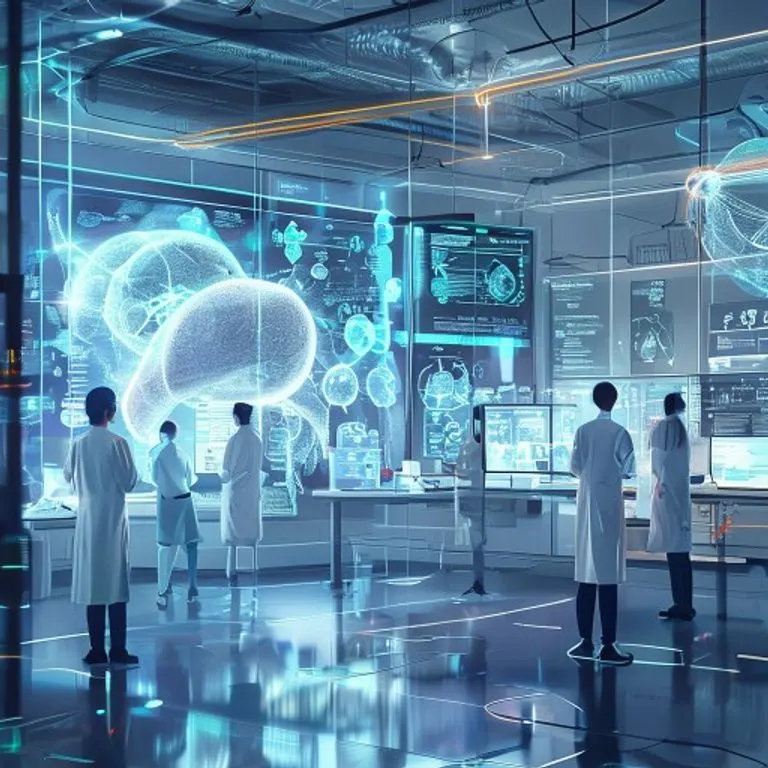
Advanced simulation technology is revolutionizing Blockchain Decentralized Governance Social Impact at UPF.
This article delves into how this advanced simulation technology, particularly through the collaboration with Ansys, has shaped the Biomedical Engineering degree at UPF. We will explore the core principles of biomedical simulation, its transformative applications in medical research and practice, and the profound impact it has had on enhancing the educational experience for students. Furthermore, we will examine the future landscape of this field and the ethical considerations that accompany such powerful technological advancements.
Table of Contents
- The Dawn of Advanced Simulation in Biomedical Engineering
- Ansys and UPF: A Pioneering Collaboration
- Core Principles of Biomedical Simulation
- Transformative Applications in Medical Research and Practice
- Enhancing the Educational Experience at UPF
- The Future Landscape of Biomedical Engineering Education
- Ethical Considerations in Biomedical Simulation
The Dawn of Advanced Simulation in Biomedical Engineering
Biomedical engineering (BME) is an interdisciplinary field that applies engineering principles and design concepts to medicine and biology for healthcare purposes. It combines the design and problem-solving skills of engineering with medical and biological sciences to improve healthcare diagnosis, monitoring, and treatment. The complexity of biological systems, however, often presents significant challenges to traditional experimental methods, making advanced simulation technology an indispensable tool for research and development.
The integration of computational modeling into BME allows for the creation of virtual environments where complex physiological processes can be studied, medical devices can be tested, and surgical procedures can be planned without risk to patients. This paradigm shift has accelerated innovation, reduced development costs, and enhanced the precision of medical interventions. The ability to visualize and quantify phenomena that are otherwise difficult or impossible to observe in vivo provides an unparalleled advantage to both researchers and clinicians.
Ansys and UPF: A Pioneering Collaboration
The collaboration between Ansys, a global leader in engineering simulation software, and the Universitat Pompeu Fabra dates back to 2006, culminating in the integration of its powerful tools into the BME curriculum during the 2011-2012 academic year. This strategic partnership provided UPF students with access to 25 advanced workstations equipped with Ansys software, specifically designed for intricate multi-physical factor simulations. This initiative underscored UPF's commitment to providing cutting-edge educational resources.
Ansys software empowers students to solve complex physics equations across various domains critical to biomedical applications. These include fluid dynamics, continuous mechanics, electromagnetism, and materials science. By providing access to such sophisticated tools, UPF ensured its students gained hands-on experience with industry-standard technology, bridging the gap between academic theory and practical application in the professional world.
Core Principles of Biomedical Simulation
Biomedical simulation involves creating computational models that mimic the behavior of biological systems, devices, or processes. These models can range from cellular interactions to the mechanics of entire organs or the performance of medical implants. The underlying principles often involve a combination of physics, mathematics, and computational science, allowing for a holistic understanding of complex biological phenomena.
Key simulation methodologies frequently employed in biomedical engineering include:
- Computational Fluid Dynamics (CFD): This technique is crucial for simulating fluid movement within the body, such as blood flow through arteries and veins, air movement in the respiratory system, or the dispersion of drugs in bodily fluids. CFD helps in understanding conditions like atherosclerosis or optimizing drug delivery systems.
- Finite Element Analysis (FEA): FEA is used to analyze stress, strain, and deformation in solid structures like bones, tissues, or prosthetic devices under various loads. It's vital for designing orthopedic implants, dental prosthetics, and understanding biomechanical responses to injury.
- Electromagnetics: This domain focuses on modeling electrical signals and fields within biological systems, such as nerve impulses, cardiac activity (ECG simulations), or the interaction of medical devices (e.g., pacemakers, MRI scanners) with biological tissues.
- Multiphysics Simulation: Often, biological processes involve interactions between multiple physical domains. Multiphysics simulation combines several physics domains to capture these complex interactions, such as fluid-structure interaction in blood vessels (e.g., how blood flow affects vessel walls) or thermal effects during ablation procedures.
Beyond these foundational categories, biomedical simulation often employs specialized techniques tailored to specific physiological systems. For instance, in cardiovascular modeling, researchers might use 1D, 2D, or 3D models to represent blood vessels, accounting for elasticity, pressure, and flow dynamics. In neuroengineering, simulations can explore neural networks, signal propagation, and the effects of neuromodulation devices.
The accuracy of these simulations heavily relies on comprehensive input data, which can come from medical imaging (MRI, CT scans), patient-specific physiological measurements, and material properties derived from experimental studies. This data-driven approach ensures that the models are not merely theoretical constructs but rather sophisticated digital representations of real biological systems, capable of yielding clinically relevant predictions.

Complex Neurotechnology Mental Health: Brain Empowerment, Disorder Combat are critical for understanding cardiovascular health.
Transformative Applications in Medical Research and Practice
The direct impact of this simulation technology on medical research and clinical practice is profound. As highlighted by Ansys, their software has been instrumental in addressing critical medical challenges:
- Aneurysm Analysis: Ansys software has been used for the analysis of aneurysms in hundreds of patients. This provides critical insights into their rupture risk, progression, and optimal management strategies. Understanding the hemodynamics within an aneurysm sac is vital for predicting its behavior.
- Intravascular Treatment Simulation: The technology enables the simulation of intravascular treatments in cerebral aneurysms. This allows clinicians to assess the potential effects of various treatment strategies, such as stent placement or coil embolization, on individual patients before actual intervention. This personalized approach significantly enhances patient safety and treatment efficacy, moving towards precision medicine.
Beyond these specific examples, the capabilities of advanced simulation extend to a wide array of medical applications:
- Medical Device Design and Optimization: Engineers can optimize the design of stents, pacemakers, prosthetics, and surgical instruments for better performance, durability, and biocompatibility. Simulations help predict how these devices will interact with the human body over time.
- Surgical Planning and Training: Creating virtual patient models allows surgeons to practice complex procedures, predict outcomes, and minimize risks. This is particularly valuable for intricate surgeries where every millimeter counts, improving patient safety and reducing operative time.
- Drug Discovery and Delivery: Simulations can model drug interactions with biological targets, predict absorption, distribution, metabolism, and excretion (ADME) profiles, and optimize delivery mechanisms within the body, leading to more effective pharmaceutical interventions.
- Tissue Engineering and Regenerative Medicine: Modeling the growth, development, and mechanical properties of engineered tissues and organs helps researchers design more effective scaffolds and bioreactors for regenerative therapies.
- Personalized Medicine: The ultimate goal is to create "digital twins" of patients, allowing for highly individualized treatment plans and predictive health management based on unique physiological data.
Enhancing the Educational Experience at UPF
The integration of advanced simulation tools at UPF has several key benefits for students, fundamentally reshaping their educational journey and professional preparedness:
- Practical Skill Development: The curriculum moved beyond purely theoretical concepts, offering practical, hands-on experience with tools used by leading researchers and engineers worldwide. This exposure provides students with a competitive edge in the job market, as they graduate with direct experience in industry-standard software.
- Deeper Conceptual Understanding: Students gain a deeper understanding of complex biological and engineering phenomena by visualizing and manipulating variables in a controlled virtual environment. This fosters critical thinking, problem-solving skills, and an intuitive grasp of intricate scientific principles that are difficult to convey through lectures alone.
- Accelerated Research and Innovation: The ability to conduct virtual experiments rapidly and cost-effectively accelerates research projects. Students can explore innovative solutions, test hypotheses, and iterate designs without the constraints, costs, or ethical considerations associated with physical prototypes or in vivo studies.
- Interdisciplinary Collaboration: Simulation platforms often require input from various disciplines, encouraging students to collaborate across engineering, medical, and biological fields, mirroring real-world research and development environments.
| Aspect | Traditional Education | Simulation-Based Education (UPF Model) |
|---|---|---|
| Learning Approach | Primarily theoretical, limited practical application. | Hands-on, experiential learning with real-world tools. |
| Experimentation | Relies on physical labs, often costly and time-consuming. | Virtual experiments, rapid iteration, cost-effective. |
| Problem Complexity | Simplified models, difficulty in handling multiphysics. | Capable of addressing complex multiphysics problems. |
| Skill Development | Foundational knowledge, analytical skills. | Advanced computational skills, data interpretation, industry relevance. |
| Career Readiness | Requires additional training for industry-specific tools. | Directly prepares students for roles using advanced simulation. |
The Future Landscape of Biomedical Engineering Education
The model adopted by UPF in 2011 serves as a blueprint for future biomedical engineering education globally. As medical technology continues its rapid evolution, the demand for engineers proficient in computational modeling and simulation will only grow. Future trends indicate an even deeper integration of advanced technologies:
- Integration of AI and Machine Learning: Artificial intelligence and machine learning algorithms are increasingly being used to enhance simulation models, enabling predictive analytics, optimization capabilities, and automated design processes for medical devices and therapies.
- Virtual Reality (VR) and Augmented Reality (AR): These immersive technologies are creating sophisticated training environments for surgical planning, medical device interaction, and anatomical studies, offering realistic simulations that go beyond traditional screen-based interfaces.
- Digital Twins: The concept of "digital twins" involves developing personalized computational models for individual patients, which can predict disease progression, optimize treatment responses, and monitor health in real-time, ushering in a new era of personalized medicine.
- Cloud-Based Simulation: Cloud computing is increasing the accessibility and computational power available for highly complex simulations, allowing researchers and students to run large-scale models without the need for expensive local hardware.
The integration of these advanced technologies will necessitate a shift in pedagogical approaches, moving towards more project-based learning and interdisciplinary collaboration. Students will not only learn to operate simulation software but also to critically evaluate its outputs, understand its limitations, and contribute to the development of novel simulation methodologies. This comprehensive training ensures they are not just users of technology but creators and innovators.
Furthermore, the increasing complexity of medical devices and therapeutic strategies demands engineers who can navigate intricate regulatory landscapes. Simulation plays a crucial role in the development and testing phases, helping to demonstrate safety and efficacy, thereby streamlining the approval process for new medical innovations. Educational programs must therefore also incorporate aspects of regulatory science and quality assurance into their simulation-focused curricula to prepare students for these real-world challenges.

The future of Deep Sleep Biohacking: Chronobiology, Cellular Recovery, Longevity will increasingly leverage AI and machine learning.
Ethical Considerations in Biomedical Simulation
While the benefits of advanced simulation are undeniable, it is crucial to address the ethical implications that arise with such powerful technology. The use of patient data for model development, the rigorous validation of simulation results against real-world outcomes, and the potential for misinterpretation of complex data all require careful consideration. Educational programs like UPF's must instill a strong ethical framework in their students, emphasizing responsible innovation and patient well-being above all else.
The accuracy and reliability of simulations are paramount, especially when informing clinical decisions. Rigorous validation processes, often involving comparison with experimental data or clinical trials, are essential to ensure that simulated outcomes are trustworthy and do not lead to erroneous medical interventions. This includes understanding the limitations of models and the uncertainties inherent in any simulation.
Furthermore, the accessibility of these advanced tools raises questions about equity in education and healthcare. Ensuring that such powerful technologies are not limited to a select few institutions or regions is a challenge that requires ongoing attention from policymakers and educational leaders. Democratizing access to simulation tools can foster global innovation and improve healthcare outcomes worldwide.
In conclusion, the Universitat Pompeu Fabra's early adoption of advanced simulation technology in its Biomedical Engineering degree program stands as a testament to its commitment to cutting-edge education. By integrating tools like Ansys software, UPF has empowered its students with the skills necessary to tackle some of the most pressing challenges in healthcare, from personalized aneurysm treatments to the design of next-generation medical devices. This forward-thinking approach not only enriches the student experience but also sets a high standard for how future biomedical engineers will be trained, ensuring they are well-equipped to innovate responsibly and ethically in a rapidly evolving medical landscape.
Fuente: Contenido híbrido asistido por IAs y supervisión editorial humana.


Comentarios