
Endocrine Disability Rating: Colombia Decree 917 | Althox
The assessment of permanent disability and occupational invalidity in Colombia is governed by a comprehensive framework designed to ensure fair and consistent evaluation. Among the key regulatory instruments is Decree 917 of 1999, which provides the "Manual for the Qualification of Permanent Partial Disability and Occupational Invalidity." This manual meticulously outlines the criteria for evaluating deficiencies across various bodily systems, including the complex endocrine system. Understanding these guidelines is crucial for medical professionals, legal practitioners, and individuals seeking disability benefits.
This article delves into the specific provisions of Chapter IX of Decree 917, focusing on endocrine system disorders. It aims to provide a detailed, scientific, and educational perspective on how these conditions are assessed, emphasizing the technical aspects and evaluation tables used to determine the percentage of global deficiency. The content is structured to offer clarity on the methodologies applied to conditions affecting the hypothalamic-pituitary axis, thyroid, adrenal glands, gonads, parathyroid, and carbohydrate metabolism.
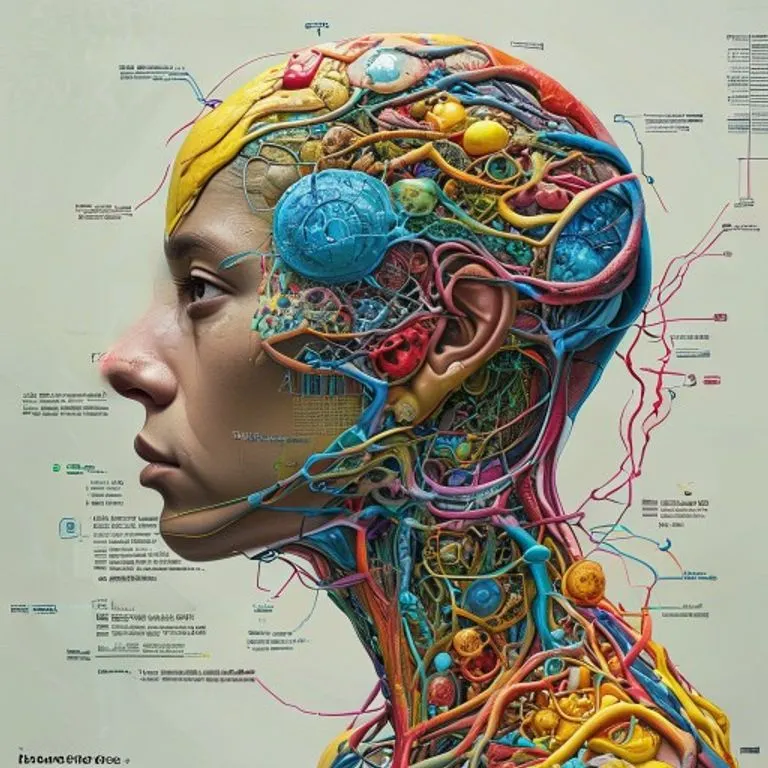
The intricate interplay of the endocrine system and the legal framework for disability assessment.
General Principles of Endocrine Evaluation
Chapter IX of Decree 917 of 1999 focuses on diseases of the endocrine glands, which are crucial for regulating numerous bodily functions through hormones. The manual provides a structured approach to assessing the global deficiency resulting from these conditions. The endocrine system is broadly categorized into several key axes and glands, each with specific evaluation criteria:
- Hypothalamic-Pituitary Axis: The master control center, regulating other glands.
- Thyroid: Responsible for metabolism regulation.
- Adrenal: Involved in stress response, metabolism, and blood pressure.
- Gonads: Essential for reproductive functions and secondary sexual characteristics.
- Parathyroid: Regulates calcium and phosphorus levels.
- Pancreatic Islets: Crucial for blood glucose regulation.
The evaluation process for endocrine disorders typically involves a combination of hormonal measurements, imaging studies, and clinical assessments to determine the origin and impact of the changes on adjacent structures and overall bodily function. The goal is to quantify the degree of permanent impairment, considering the effectiveness of ongoing treatment and the persistence of symptoms.
Hypothalamic-Pituitary Axis Disorders
Disorders of the hypothalamic-pituitary axis can lead to a wide range of hormonal imbalances, affecting various target glands. The assessment of these conditions involves a detailed analysis of hormonal levels, both basal and stimulated/suppressed, to understand the functional status of the axis. Additionally, imaging studies of the skull (e.g., MRI, CT scans) and visual perimetry are often employed to identify any structural abnormalities or their effects on nearby tissues, particularly the optic chiasm.
Assessment of Anterior Pituitary Deficiency
Deficiencies in the anterior pituitary hormones can manifest in various ways, from growth hormone deficiency to hypogonadism or hypothyroidism secondary to pituitary failure. The manual classifies the impairment based on the control achieved with continuous treatment and the persistence of symptoms.

A vintage medical textbook illustrates the complexities of endocrine system evaluation.
| GLOBAL STANDARD CLASS | GAP (%) | CRITERIA |
|---|---|---|
| I | 1 - 4.90 | The disease is controlled by continuous treatment. In case of tumor, it is classified in this class if controlled with medical treatment and/or surgery, and in terms of size and symptoms. |
| II | 5.0 - 14.9 | Symptoms cannot be adequately controlled with treatment. |
| III | 15.0 - 25.0 | Symptoms and signs persist despite treatment. |
Example: A 51-year-old woman gradually developed acromegaly since age 16, also presenting amenorrhea, headache, and acne. In recent months, headaches and vision changes intensified. Hyperglycemia with glucosuria was found, visual fields showed a tubular field in the left eye and a temporal defect in the right eye. Skull radiography showed sella growth. Partial excision of a pituitary tumor was performed. After the intervention, visual field changes persisted, and she required a strict diet and 40 units of lente insulin to control her diabetes. Additionally, hypopituitarism required hormone replacement. The diagnosis was acromegaly and pituitary adenoma with high hypopituitarism, diabetes mellitus, and altered visual fields secondary. A deficiency of 15.0% for pituitary dysfunction was considered. This was combined with 13.0% for unstable diabetes and 17.0% for visual disturbances. Weighted, these diseases resulted in a global deficiency of 25.53%.
Assessment of Posterior Pituitary Deficiency
Posterior pituitary hypofunction primarily manifests as diabetes insipidus, a condition characterized by excessive thirst and urination due to inadequate production or response to antidiuretic hormone (ADH). The evaluation for this condition includes:
- Diagnostic Imaging: Of the hypothalamus-pituitary area to identify structural causes.
- Visual Field Determination: To assess any impact on vision.
- Urinary Density and Osmolality: Baseline and during water deprivation tests to confirm the diagnosis and severity.
| GLOBAL STANDARD CLASS | GAP (%) | CRITERIA |
|---|---|---|
| I | 1 - 4.90 | The condition can be effectively controlled with continuous treatment. |
| II | 5.0 - 14.9 | Continuous treatment partially controls the symptoms and signs of the disease. |
| III | 15.0 - 25.0 | Despite appropriate and well-executed treatment, signs and symptoms persist. |
Assessment of Pituitary Dwarfism
Pituitary dwarfism, primarily caused by growth hormone deficiency, is evaluated based on the persistence of symptoms despite treatment. The manual indicates that most cases of pituitary dwarfism fall into Class III of hypothalamic-pituitary deficiency, corresponding to a 15% to 25% global deficiency when symptoms remain despite therapeutic interventions. This underscores the significant and often irreversible impact of severe growth hormone deficiency on an individual's physical development and overall health.
Thyroid Deficiency Assessment
The thyroid gland plays a vital role in regulating metabolism. Disorders of the thyroid, both hyperthyroidism and hypothyroidism, can significantly impact an individual's health and daily activities. However, the manual differentiates between these conditions in terms of their direct contribution to permanent impairment.
Assessment of Hyperthyroidism
Hyperthyroidism, characterized by an overactive thyroid, is generally not considered a direct cause of permanent deficiency because the hypermetabolic state can often be permanently corrected through various treatments, including medication, radioactive iodine, or surgery. However, complications arising from hyperthyroidism, such as visual system impairments (e.g., exophthalmos leading to ophthalmoplegia) or cardiovascular diseases, must be evaluated separately according to the specific chapters dedicated to those systems. The focus shifts from the thyroid condition itself to its irreversible sequelae.
Assessment of Hypothyroidism
Hypothyroidism, or an underactive thyroid, can typically be managed successfully with thyroid hormone replacement therapy. The evaluation of hypothyroidism for disability purposes relies on the effectiveness of this treatment and the presence of residual symptoms or anatomical abnormalities. Functional tests are essential to determine the endocrinologist's assessment of thyroid function.
| GLOBAL STANDARD CLASS | GAP (%) | CRITERIA |
|---|---|---|
| I | 1 - 4.9 | Requires continuous therapy for correction of an underactive thyroid, with no physical or laboratory contraindications for this therapy. |
| II | 5.0 - 15.0 | Symptoms of thyroid disease or anatomical abnormalities exist; continuous thyroid therapy is necessary, but other diseases allow only partial thyroid hormone replacement. |
NOTE: If thyroid substitution was initiated late, and permanent sequelae of hypothyroidism, such as cretinism, have occurred, the deficiency must be calculated according to the chapter on mental deficiency, highlighting the severe developmental impacts of untreated congenital hypothyroidism.
Adrenal Glands Disorders
The adrenal glands, located atop the kidneys, consist of two main parts: the cortex and the medulla, each producing distinct hormones vital for survival. Dysfunctions in these glands can lead to significant health issues and, consequently, to permanent impairment.
Alterations in the Adrenal Cortex
Both hypersecretion and hyposecretion of adrenal cortical hormones can cause deficiency. These conditions may be isolated or associated with other endocrine or systemic disorders, necessitating a combined evaluation with other chapters of the manual. Hypersecretion can result from cortical hyperplasia, pituitary ACTH excess, or benign/malignant ectopias, leading to syndromes like Cushing's, adrenogenital syndrome, or primary aldosteronism. Hyposecretion can be primary (due to gland destruction/absence) or secondary (due to decreased corticotrophin secretion). Functional and hormonal tests are critical for accurate assessment.
Abstract representation of the delicate balance within the endocrine system.
| GLOBAL STANDARD CLASS | GAP (%) | CRITERIA |
|---|---|---|
| I | 1 - 9.9 | Anomalies in discharge requiring prolonged administration of cortical hormones due to loss of both adrenals; requires continuous treatment. |
| II | 10.0 - 19.9 | Anomaly in discharge requiring prolonged cortical hormone administration due to loss of both glands and continuous treatment; OR patient requires large amounts of cortical hormones for another base illness, causing secondary Cushing's syndrome. |
| III | 20.0 - 30.0 | Anomaly in secretion requiring ongoing cortical hormone administration; florid Cushing's syndrome not responsive to current therapy; OR Nelson syndrome secondary to resection not responsive to current treatment. |
Alterations in the Adrenal Medulla
The adrenal medulla, responsible for producing catecholamines like adrenaline and noradrenaline, is not considered essential for life or individual well-being in the same way as the cortex. Therefore, a lack of adrenal medulla function typically results in a 0% global deficit. However, overactivity of the medulla, often due to hypertrophy or tumors (e.g., pheochromocytoma), can lead to severe hypertension, either in crisis form or persistently. This hyperfunction is assessed based on its impact on daily activities and the effectiveness of treatment.
| GLOBAL STANDARD CLASS | GAP (%) | CRITERIA |
|---|---|---|
| I | 1 - 9.9 | Anomalies in adrenal medullary hormone secretion; no continuous treatment needed; can perform all or almost all daily activities. |
| II | 10.0 - 20.0 | Anomaly in adrenal medullary hormone secretion; continuous treatment does not completely control symptoms and signs. |
Gonadal Disorders and Impairment
Disorders affecting the gonads (testes in males, ovaries in females) can lead to significant hormonal imbalances, impacting reproductive function and secondary sexual characteristics. When there is anatomical loss or impairment of the gonads resulting in permanent and irreversible abnormalities of hormone secretion, a global deficiency of 1% to 5.0% is assigned. It is important to note that the impairment of reproductive and sexual functions themselves should be evaluated under the specific rules outlined in Chapter VI of the manual, which addresses the genitourinary and reproductive systems in more detail.
Mammary Glands Disorders
Disorders of the mammary glands can also contribute to global deficiency, particularly when they interfere with daily activities or have significant physiological impact. The manual specifies that a woman of childbearing age without breasts, or experiencing excessive galactorrhea, or a male with gynecomastia causing pain that interferes with daily activities, will have a global deficit ranging between 1% and 5.0%. Cancers of the breast, due to their systemic nature and treatment complexities, are evaluated according to the criteria established in Chapter VIII, which covers neoplastic diseases. This distinction highlights the manual's approach to differentiating between functional impairments and those arising from severe systemic illnesses.
Parathyroid Disorders
The parathyroid glands regulate calcium and phosphorus levels in the blood, which are crucial for bone health, nerve function, and muscle contraction. Dysfunctions can lead to hyperparathyroidism (excessive parathyroid hormone) or hypoparathyroidism (insufficient parathyroid hormone), both with significant consequences.
Hyperparathyroidism
Hyperparathyroidism with hypercalcemia, unless caused by an inoperable carcinoma, is generally considered a correctable condition, though correction can sometimes be challenging. Persistent hypercalcemia, regardless of its cause, may require prolonged treatment. Any resulting bone deformities or kidney damage should be evaluated using the standards for the respective affected systems (e.g., musculoskeletal or renal chapters). When hypercalcemia with symptoms requires prolonged treatment and interferes with daily activities, the deficiency assessment can range from 0% to 5.0% and must be combined with any other relevant deficiencies.
Hypoparathyroidism
Hypoparathyroidism leads to low calcium levels (hypocalcemia), which can cause symptoms ranging from tingling to severe tetany and seizures. The assessment of impairment due to hypoparathyroidism is detailed in the following table:
| GLOBAL STANDARD CLASS | GAP (%) | CRITERIA |
|---|---|---|
| I | 1 - 4.9 | Deficient parathyroid gland function; calcium levels maintained through treatment; no symptoms. |
| II | 5.0 - 9.9 | Absence of parathyroid glands; calcium levels rise and fall intermittently despite adequate treatment; symptoms may or may not be present due to abnormal calcium levels. |
| III | 10.0 - 15.0 | Plasma calcium below 8 mg/100 ml despite treatment; severe recurrent tetany OR recurrent generalized convulsions OR lenticular cataract (evaluated per Chapter XIII on sense organs). |
Carbohydrate Metabolism Disorders
Disorders of carbohydrate metabolism, primarily diabetes mellitus, are among the most prevalent endocrine conditions. While diabetes itself can be managed, its long-term complications can lead to significant deficiencies in multiple organ systems, requiring a comprehensive evaluation.
Assessment of Impairment Caused by Diabetes Mellitus
Long-standing diabetes can be associated with microangiopathic and macroangiopathic complications affecting the cardiovascular, neurological, urogenital, renal, and visual systems. These include coronary artery disease, neuropathy, retinopathy, and nephropathy. Women of childbearing age may face difficulties in pregnancy, and men may experience sexual impotence. All these changes must be combined according to the deficiency assessment issued in the respective chapters for the involved systems. The following table outlines the impairment classes for diabetes mellitus:
| GLOBAL STANDARD CLASS | GAP (%) | CRITERIA |
|---|---|---|
| I | 1 - 4.9 | Patient with Diabetes Mellitus, properly controlled with diet. No evidence of diabetic microangiopathy (retinopathy and/or albuminuria > 30 mg/100 ml). |
| II | 5.0 - 9.9 | Patient with Diabetes Mellitus, requiring restrictive diet and oral hypoglycemic agents, achieving satisfactory glycemic control. Has some evidence of microangiopathy (retinopathy and/or albuminuria > 30 mg/100 ml) and subsequent involvement of other organ systems. |
| III | 10.0 - 19.9 | Patient with Diabetes Mellitus, requiring restrictive diet and oral hypoglycemic agents or insulin, achieving satisfactory glycemic control. Has some evidence of microangiopathy (retinopathy and/or albuminuria > 30 mg/100 ml) and subsequent involvement of other organ systems. |
| IV | 20.0 - 30.0 | Similar to previous class, but despite dietary management and insulin, frequent episodes of hyper or hypoglycemia without satisfactory control requiring hospital management and/or severe disease of other organ systems. |
Examples for Diabetes Mellitus Classification:
- Class I Example: A 45-year-old man, during a control review, presents glycemia of 190 mg and is moderately overweight. A diet is prescribed. Three months later, his weight and blood glucose levels are normal. Diagnosis: Diabetes mellitus controlled by diet. Global deficit = 1%.
- Class II Example: A 66-year-old man, in a test, has glycemia of 300 mg, moderate overweight, and hypertension. A diet, oral hypoglycemics, and antihypertensive therapy are prescribed. Three months later, his weight, blood glucose, and blood pressure are controlled. Diagnosis: Controlled Diabetes Mellitus. Global deficiency = 5%.
- Class III Example: A 25-year-old patient suffering from diabetes since age 15. Physical activity varies greatly day by day. Follows a strict diet and insulin therapy twice a day to control blood glucose and maintain normal continuous urine. Loses weight without exceeding the normal range, but no further complications. Diagnosis: Type I Diabetes Mellitus, adequately controlled. Deficiency = 15%.
- Class IV Examples: Specific situations falling into this case include:
- Neuropathy demonstrated by persistent or significant impairment of motor function in two extremities, resulting in movement, gait, or postural attitude disorders, or significant sensory changes.
- Total or partial amputation of a limb due to diabetic necrosis or peripheral vascular obstructive disease.
- Severe retinopathy with significant loss of visual acuity and visual field, assessing visual impairment according to the criteria in the chapter on the organ of vision.
- Severe nephropathy with renal insufficiency (see corresponding chapter).
Assessment of Impairment Caused by Hyperinsulinism (Permanent Hypoglycemia)
Hyperinsulinism, characterized by excessive insulin production, can lead to recurrent or prolonged episodes of hypoglycemia. Severe or repeated hypoglycemic attacks can result in brain damage. The extent of brain damage determines the global deficiency, which is assessed according to the criteria for the Central Nervous System as defined in that specific chapter of the manual. Only in cases where metabolic damage is not controlled despite diet and appropriate medication will a deficiency of 10.0% be granted, reflecting the persistent and unmanageable nature of the condition.
DECREE 917 OF 1999 (Colombia)
Article 9. ENDOCRINE SYSTEM
9.1 General: This chapter defines the criteria for assessing global deficiency diseases of the endocrine glands. Is divided into: Axis pituitary-hypothalamic, Thyroid, Adrenal, Gonads, Parathyroid, Network of pancreatic islets.
9.2 CRITERIA FOR EVALUATION OF PERMANENT IMPAIRMENT HYPOTHALAMIC HYPH. . The hypothalamic-pituitary hormonal changes, are studied using baseline measurement of the hormones involved and try to encourage or cancellation thereof. We also study the hypothalamic-pituitary region by imaging of the skull and visual perimetry, among others, to determine the origin of the changes and their effect on adjacent structures.
9.2.1. Assessment of the deficiency of the anterior pituitary disorders. TABLE No. 9.1: EVALUATION OF THE CHANGES CAUSED BY DEFICIENCY of the anterior pituitary. GLOBAL STANDARD CLASS GAP (%) I-The disease is controlled by continuous treatment. In case of tumor, is classified in this class if you manage to control with medical treatment and / or surgery, and in terms of size and symptoms. 1 - 4.90 II When symptoms can not be adequately controlled with treatment. 5.0 - 14.9 III When symptoms and signs persist despite treatment. 15.0 - 25.0
9.2.2. Assessment of impairment by changes in the posterior pituitary.
9.2.2.1 Neurohypophysial failure or diabetes insipidus. The study of hypofunction of the posterior lobe of the pituitary gland include: a) Diagnostic Imaging area hypothalamus - pituitary. b) Determination of the visual field. c) Determination of urinary density and osmolality of plasma and urine at baseline and during water deprivation test. TABLE No. 9.2: EVALUATION OF IMPAIRMENT CAUSED BY ALTERATIONS OF PITUITARY DEFICIENCY POSTERIOR.CLASE GLOBAL APPROACH (%) I-The condition can be effectively controlled with continuous treatment. 1 - 4.90 II Continuous treatment partially control the symptoms and signs of enfermedad.5.0 - 14.9 III Despite appropriate treatment and well run the signs and symptoms persist. 15.0 - 25.0
9.2.2.2 Assessment of the deficiency pituitary dwarfism. For the assessment of such deficiency should be considered that almost all cases of pituitary dwarfism in Class III of hypothalamic-pituitary deficiency, which corresponds to 15 to 25% when symptoms persist despite treatment.
9.3 CRITERIA FOR THE ASSESSMENT OF THYROID DEFICIENCY. Hyperthyroidism is not considered a cause of deficiency because the hypermetabolic state can be corrected permanently by treatment in most patients. After remission of hyperthyroidism may be deficient in the visual system or cardiovascular disease, which should be evaluated according to standards. Also, hypothyroidism in most cases can be managed successfully with thyroid hormone administration. For the evaluation of thyroid function tests should be performed to determine thyroid endocrinologist.
9.3.1 Assessment of the deficiency Hyperthyroidism. As mentioned hyperthyroidism in itself does not cause impairment, malignant thyrotoxicosis sometimes leads to the emergence of a progressive exophthalmos, which can reach the ophthalmoplegia, which is evaluated in the chapter on ophthalmology.
9.3.2 Assessment of the deficiency hypothyroidism. TABLE No. 9.3: EVALUATION OF IMPAIRMENT OF HYPOTHYROIDISM. GLOBAL STANDARD CLASS GAP (%) I- Just a continuous therapy for the correction of an underactive thyroid, and no physical or laboratory contraindications for this therapy. 1 - 4.9 II- There are symptoms of thyroid disease or anatomical abnormalities; It is necessary continuous thyroid therapy But you have other diseases that allow the replacement of thyroid hormone only partially. 5.0 - 15.0 NOTE: When the thyroid substitution was started later and permanent sequelae of hypothyroidism occurred that make up the picture of cretinism, the deficiency shall be calculated in accordance with the chapter on mental deficiency.
9.4 CRITERIA FOR EVALUATION OF DEFICIENCY DISORDERS OF THE ADRENAL GLANDS. 9.4.1 Alterations in the adrenal cortex. The hyper or hyposecretion of this portion of the adrenal deficiency can occur. It is sometimes associated with other endocrine disorders or other organ systems, which requires combining these anomalies according to the provisions in other chapters. Hypersecretion may be caused by hyperplasia of the cortex, or pituitary ACTH excess ectopias either benign or malignant. Among the diseases caused by hypersecretion is Cushing syndrome, adrenogenital syndrome and primary aldosteronism. Hyposecretion adrenal may be primary, due to destruction or absence of these glands, or secondary as a result of decreased secretion of Corticotrophins. One adrenal gland can compensate for the absence or dysfunction of the other. For the evaluation of adrenal gland function tests should be performed to determine functional and hormonal endocrinologist.
9.4.1.1. Assessment of the deficiency of the adrenal cortex disorders. TABLE No. 9.4: EVALUATION OF THE ALTERATIONS Poor adrenal cortex. GLOBAL STANDARD CLASS GAP (%) I- There are anomalies in the discharge and requires prolonged administration of cortical hormones, for loss of the two adrenal; And you need continuous treatment. 1 - 9.9 II- There are an anomaly in the discharge and requires prolonged administration of cortical hormone by loss of the two gland; And you need continuous treatment. O is the case of a patient who requires large amounts of cortical hormones to treat another illness base and these will cause Cushing syndrome secundario.10.0 - 19.9 III- There is an anomaly in the secretion and requires cortical hormone administration on an ongoing basis. There are florid Cushing's syndrome not due to the battery therapy currently exists. There are a Nelson syndrome secondary to resection and the Adrenal Gland Battery is not due to treatment that currently exists. 20.0 - 30.0
9.4.2 Alterations in the adrenal medulla. The adrenal medulla is not essential to the life or welfare of the individual, and therefore, the lack of it is 0% of overall deficit. The overactivity of the bone marrow can cause alterations in cell hypertrophy whether by tumor or not. The existence of this hyperfunction leads to hypertension in the form of crisis or maintained. 9.4.2.1 Assessment of the deficiency disorders of the adrenal medulla TABLE No. 9.5: EVALUATION OF THE DEFICIENCY FOR SPINAL ABNORMALITIES Adrenal. GLOBAL STANDARD CLASS GAP (%) I- There are anomalies in the secretion of hormones from the adrenal medullary; Do not need continuous treatment can carry out all or almost all activities of daily living. 1 - 9.9 II There are an anomaly in the secretion of hormones from the adrenal medulla; The continuous treatment does not control the symptoms and signs completely. 10.0 - 20.0
9.5 CRITERIA FOR EVALUATION OF PERMANENT IMPAIRMENT OF CHANGES IN PRODUCT gonads. A person with anatomical loss or impairment of the gonads resulting in abnormalities of hormone secretion have a global deficiency of 1 - 5.0.%, Provided that the alteration of gonadal function is permanent and irreversible. The deterioration of reproduction and sexual functions should be evaluated with the rules contained in Chapter VI.
9.6 CRITERIA FOR EVALUATION OF PERMANENT IMPAIRMENT BY PROBLEMS IN THE MAMMARY GLANDS. A woman of childbearing age without breast or excessive galactorrhea, gynecomastia, or male with pain that interferes with daily activities, have an overall deficit between 1 and 5.0%. Breast cancers are evaluated according to the criteria of Chapter VIII.
9.7 CRITERIA FOR EVALUATION OF PERMANENT IMPAIRMENT OF PARATHYROID DISORDERS. Hyperparathyroidism with hypercalcemia, unless caused by an inoperable carcinoma is generally considered a disease that can be corrected, although sometimes this correction can be difficult. Persistent hypercalcemia whether or not due to this disease, may require prolonged treatment. Deformities of the bones or kidney damage may persist after treatment and for evaluation of these conditions should be used standards for each chapter of the system involved. When hypercalcemia with symptoms requiring prolonged treatment, assessment of deficiency must be based on the interference of the disease with the patient's daily activities can vary from 0 to 5.0% of overall deficit. This value must be combined with any other value relevant to the case of deficiency. TABLE No. 9.6: EVALUATION OF IMPAIRMENT BY Hypoparathyroidism. GLOBAL STANDARD CLASS GAP (%) I- The functioning of the parathyroid gland is deficient, calcium levels are maintained through the treatment, and no symptoms. 1 - 4.9 II- Absence of the parathyroid calcium level rises and falls intermittently despite adequate treatment. Symptoms may or may not, due to abnormal levels of calcium in the blood. 5.0 - 9.9 III- Decrease in plasma calcium below 8 mg/100 ml. despite treatment. IV- Severe recurrent tetany; or recurrent generalized convulsions; O, lenticular cataract, which should be evaluated according to criteria developed in Chapter XIII of the sense organs. 10.0 - 15.0
9.8 ASSESSMENT OF DEFICIENCY OF METABOLISM OF CARBOHYDRATES. 9.8.1 Assessment of impairment caused by diabetes mellitus. The long-standing diabetes may be associated with other diseases that lead to major deficiencies that diabetes itself. These conditions are referred to the cardiovascular system, neurological, urogenital, renal and visual, with specific degenerative complications such as coronary artery disease, neuropathy, retinopathy and nephropathy. Women of childbearing age may have difficulty completing the pregnancy and men sexual impotence. All these changes should combined according to the assessment of deficiency issued in the chapter on the changes involved. TABLE No. 9.7: EVALUATION OF IMPAIRMENT OF DIABETES MELLITUS. GLOBAL STANDARD CLASS GAP (%) I- Patient with Diabetes Mellitus, that properly controlled with diet. No evidence of diabetic microangiopathy (retinopathy and / or albuminuria> 30 mg/100 ml). 1 - 4.9 II- Patient with Diabetes Mellitus, which requires restrictive diet and oral hypoglycemic agents, achieving satisfactory control of glycemia. Has any evidence of microangiopathy (retinopathy and / or albuminuria> 30 mg/100 ml) and the subsequent involvement of other organ systems. 5.0 - 9.9 III- Patient with Diabetes Mellitus, which requires restrictive diet and oral hypoglycemic agents or insulin, achieving a satisfactory control of glycemia. Has any evidence of microangiopathy (retinopathy and / or albuminuria> 30 mg/100 ml) and the subsequent involvement of other organ systems. 10.0 - 19.9 IV- Like the previous class, but despite the dietary management and insulin Frequent episodes of hyper or hypoglycemia, without satisfactory control that require hospital management and / or severe disease of other organ systems. 20.0 - 30.0
9.8.2 Assessment of impairment caused by hyperinsulinism (hypoglycemia Permanente). Occasionally hyperinsulinism can result from an excess production of insulin, which induces hypoglycemia, which prolonged and repeated or severe attacks of which can lead to brain damage. Depending on the extent of brain damage, a person may suffer a deficiency hypoglycemic global assessment according to the Central Nervous System as defined in that chapter. Only in cases in which the metabolic damage is not controlled despite diet and appropriate medication, will be granted a deficiency of 10.0%.
Source: Hybrid content assisted by AIs and human editorial supervision.


Comentarios