
Aperture, Cáceres Spain: History, Geography, Culture | Althox
Aperture, a municipality nestled within the province of Cáceres in the autonomous community of Extremadura, Spain, stands as a testament to the enduring charm of rural Iberian life. This quaint Spanish town offers a rich tapestry of history, a distinctive geographical setting, and a vibrant cultural heritage that reflects centuries of tradition and evolution. Understanding Aperture means delving into its past, appreciating its natural surroundings, and recognizing the unique rhythm of its community.
From its early historical records as part of the Land of Trujillo to its modern-day demographic shifts, Aperture encapsulates the story of many small Spanish towns. It presents a fascinating case study of how local identity is shaped by geographical features, historical events, and the persistent efforts of its inhabitants to preserve their customs and landmarks. This comprehensive exploration aims to shed light on the multifaceted aspects that define Aperture, providing a detailed overview for anyone interested in this corner of Extremadura.
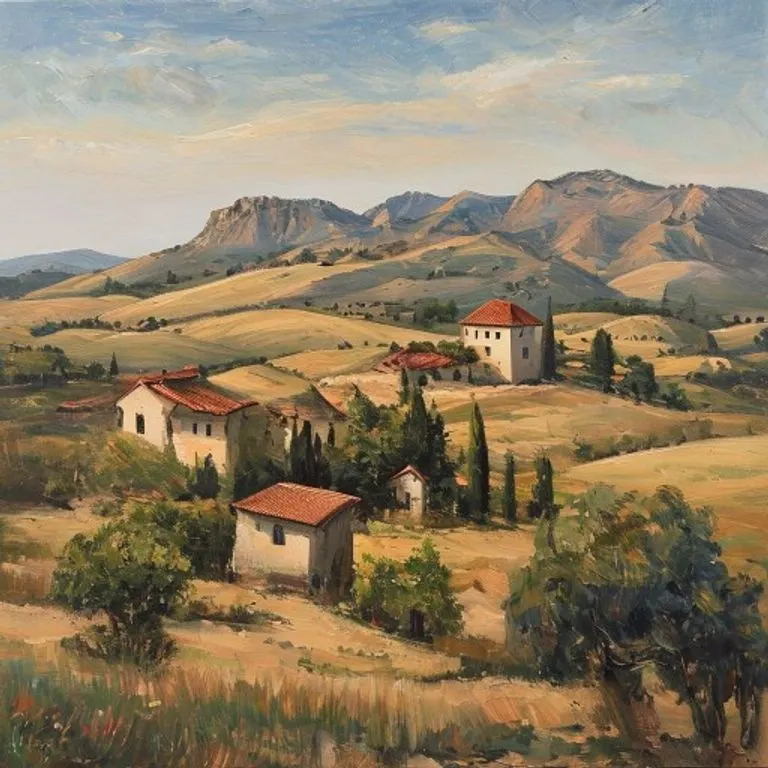
The serene rural landscape of Aperture, Cáceres, showcasing the tranquil beauty of Extremadura.
Geography: The Natural Canvas of Aperture
The municipality of Aperture is characterized by its predominantly flat terrain, a feature common in certain areas of the Extremaduran plains. This topographical characteristic contributes significantly to the region's agricultural potential and its distinctive landscape. The average altitude of the municipality ranges between 380 and 430 meters above sea level, with specific elevations like "el stud" representing the highest points within its boundaries.
The hydrological network is crucial to Aperture's ecosystem and historical development. The main rivers flowing through the area are the Alcollarín and the Burdalo. These rivers, while not large, provide essential water resources for local agriculture and contribute to the biodiversity of the region. Their courses have historically influenced settlement patterns and the establishment of farming communities.
The flat landscape, combined with the Mediterranean climate typical of Extremadura, creates an environment suitable for a variety of flora and fauna. The natural vegetation often includes holm oaks, cork oaks, and Mediterranean scrub, which are integral to the traditional dehesa ecosystem. This ecosystem supports diverse wildlife, including various bird species, small mammals, and reptiles, making the area of interest for environmental ecology and conservation studies.
The presence of these rivers also means that the land is fertile in their immediate vicinity, allowing for cultivation and pasturage. The slight variations in altitude, though generally flat, can create microclimates and different soil compositions that support varied agricultural practices. Understanding this geographical context is fundamental to grasping the historical and economic evolution of Aperture.
Demography: Population Trends and Community Dynamics
The demographic profile of Aperture, like many rural Spanish municipalities, reflects broader trends of population change, particularly a gradual decline in the early 21st century. Analyzing population data provides insights into the socio-economic dynamics and challenges faced by these communities. The available data for the period 2001-2006 illustrates a consistent, albeit slight, decrease in inhabitants.
| Year | Population (Number of People) |
|---|---|
| 2001 | 512 |
| 2002 | 509 |
| 2003 | 501 |
| 2004 | 506 |
| 2005 | 505 |
| 2006 | 486 |
The population figures show a decline from 512 residents in 2001 to 486 in 2006, indicating a trend of depopulation. This phenomenon is often attributed to several factors prevalent in rural Spain, including a lower birth rate, an aging population, and the migration of younger generations to larger urban centers in search of better educational and employment opportunities. Such demographic shifts can have profound impacts on the vitality and sustainability of local services and community life.
The implications of these demographic trends are far-reaching. A shrinking and aging population can lead to challenges in maintaining essential services, such as schools and healthcare, and can also affect the local economy. Efforts to revitalize rural areas often focus on attracting new residents, promoting local businesses, and improving infrastructure to counteract these trends. The community dynamics in Aperture are thus closely tied to its demographic evolution, influencing its social fabric and future prospects.

Historical artifacts reflecting Aperture's deep roots in the Land of Trujillo.
History: From Ancient Lands to Modern Municipality
The historical trajectory of Aperture is deeply intertwined with the broader history of Extremadura, a region rich in ancient heritage and significant historical events. In 1594, Aperture was recognized as part of the Land of Trujillo, falling within the Province of Trujillo. This designation placed it under the administrative and economic influence of Trujillo, a historically important city in Cáceres known for its medieval and Renaissance architecture and its role in the Spanish conquest of the Americas.
The transition from the Ancien Régime marked a pivotal moment for Aperture. With the fall of the old order, it emerged as a constitutional municipality within the region of Extremadura. This transformation, typical of the administrative reforms of the 19th century in Spain, granted Aperture greater local autonomy and established its modern municipal structure. These changes were part of a wider movement to centralize and standardize governance across the country.
Further solidifying its administrative identity, Aperture became part of the Judicial District of Logrosán in 1834. This integration into a specific judicial district meant that legal and administrative matters for the municipality were handled through Logrosán, reinforcing its regional connections. The establishment of these districts aimed to improve the efficiency of the justice system and local administration.
Historical records, such as the census of 1842, provide valuable snapshots of Aperture's past. This particular census reported 200 households and 1,096 residents (vecinos). This figure suggests a significantly larger population compared to the early 21st century data, highlighting a long-term demographic shift. The census data is crucial for historical demographers studying population movements and the evolution of rural communities in Spain. These historical details underscore the enduring resilience and transformation of Aperture over centuries.
Sights and Heritage: Architectural and Religious Treasures
Aperture, despite its modest size, boasts a rich architectural and religious heritage that speaks volumes about its historical and cultural significance. The most prominent landmark is the Church of San Juan Bautista, a structure dating back to the 15th century. This church is a prime example of the religious architecture prevalent in Extremadura during the late medieval and early modern periods. Its construction in the 15th century places it firmly within an era of significant artistic and architectural transition in Spain, often featuring a blend of Gothic and early Renaissance elements.
The Church of San Juan Bautista serves not only as a place of worship but also as a cultural repository, preserving centuries of local artistry and devotion. Its design likely incorporates robust stone masonry, characteristic of the region, and may feature intricate altarpieces, religious sculptures, and frescoes that tell the story of the community's faith. These elements are invaluable for understanding the artistic and spiritual life of Aperture's past inhabitants.
Another significant religious site is the Chapel of Santa Ana. Chapels like this often served as smaller, more intimate places of worship, frequently located outside the main village center or associated with specific local devotions. While less grand than the main parish church, the Chapel of Santa Ana holds its own historical and cultural importance, often being the focal point for specific local festivities or pilgrimages.
Olive branches and traditional ceramics symbolize the agricultural and natural wealth of Aperture.
The ecclesiastical structure further defines Aperture's heritage. The Catholic parish church of San Juan Bautista falls under the jurisdiction of the Archdiocese of Mérida-Badajoz. This archdiocese is one of the largest and most historically significant in Spain, covering a substantial portion of Extremadura. Within this archdiocese, Aperture belongs to the Diocese of Plasencia, which has its own rich history and administrative structure. Finally, it is part of the Archpriesthood of Miajadas, a smaller administrative division that groups several parishes together for local pastoral coordination.
This hierarchical organization underscores the deep-rooted Catholic tradition in the region and the enduring role of the Church in local life. These religious buildings and their administrative affiliations are not merely historical relics; they continue to be active centers of community life, preserving rituals, traditions, and a sense of shared identity among the residents of Aperture.
Local Economy: Sustaining Rural Life
The economy of Aperture, typical of many small rural municipalities in Extremadura, has historically been centered around primary sector activities. Agriculture remains a cornerstone, with the fertile plains and river proximity supporting various crops. Olive groves are a common sight, contributing to Spain's renowned olive oil production. Cereal cultivation, such as wheat and barley, also plays a significant role, adapting to the region's climate and soil conditions.
Livestock farming, particularly of pigs and sheep, is another vital component of the local economy. Extremadura is famous for its Iberian ham, and many small towns contribute to this industry through extensive pig farming practices. Sheep farming provides wool and meat, further diversifying the agricultural output. These traditional activities not only provide livelihoods but also shape the landscape and cultural practices of the area.
In recent years, there has been a growing recognition of the potential for rural tourism to supplement traditional industries. Aperture's historical sites, natural beauty, and tranquil environment make it an attractive destination for visitors seeking authentic Spanish experiences away from crowded urban centers. This includes agritourism, where visitors can experience farm life, and cultural tourism focused on its heritage and festivities. Developing sustainable rural tourism development can help counteract depopulation and boost local economies.
Small local businesses, including traditional shops, restaurants, and service providers, form the backbone of the community, catering to the needs of residents and any visitors. These enterprises are crucial for maintaining the social fabric and ensuring the availability of essential goods and services in a rural setting. The resilience of these local economic activities is key to Aperture's continued existence and vitality.
Celebrations: Festivals and Traditions
The cultural life of Aperture is punctuated by several annual celebrations that bring the community together and showcase its enduring traditions. These festivities are deeply rooted in religious observance and local customs, providing a vibrant expression of collective identity. Two notable celebrations stand out: the feast day of San Gregorio Ostiense and the annual Pilgrimage.
The feast day of San Gregorio Ostiense is celebrated on May 9th. San Gregorio Ostiense is a saint traditionally invoked for protection against plagues and agricultural calamities, reflecting the historical concerns of a farming community. This day typically involves religious services, processions, and communal gatherings. It is a time for residents to honor their patron saint, express their faith, and enjoy shared meals and festivities, reinforcing community bonds.
The Pilgrimage, celebrated on July 25th and 26th, is another significant event in Aperture's calendar. Pilgrimages are common in Spain, often involving a journey to a sacred site, usually a hermitage or chapel located outside the main village. This particular pilgrimage likely involves a procession to the Chapel of Santa Ana or another local shrine, where religious rites are performed. The event often combines solemn religious devotion with lively social activities, including music, dancing, and outdoor feasts, creating a festive atmosphere for all participants.
These celebrations are more than just annual events; they are vital expressions of Aperture's cultural heritage. They provide opportunities for residents, including those who may have moved away, to return and reconnect with their roots. The continuity of these traditions highlights the community's commitment to preserving its unique identity and passing down customs from one generation to the next. Such cultural traditions and festivities are central to the charm and character of rural Spain.
Conclusion: Aperture's Enduring Legacy
Aperture, Cáceres, stands as a compelling example of a small Spanish municipality that skillfully balances its rich historical legacy with the realities of contemporary rural life. Its flat, river-fed geography has shaped its agricultural traditions, while its demographic shifts reflect broader national trends. The historical narrative, from its roots in the Land of Trujillo to its modern administrative structure, provides a deep understanding of its evolution.
The architectural and religious treasures, particularly the 15th-century Church of San Juan Bautista and the Chapel of Santa Ana, serve as tangible links to its past, embodying centuries of faith and artistry. Furthermore, the vibrant annual celebrations, such as the feast of San Gregorio Ostiense and the Pilgrimage, underscore the community's dedication to preserving its cultural identity and fostering strong social bonds. Aperture, therefore, is not just a geographical location but a living testament to the enduring spirit of Extremadura.
Fuente: Contenido híbrido asistido por IAs y supervisión editorial humana.


Comentarios