
Disability Rating Colombia: Digestive System Assessment Decree 917 | Althox
The assessment of permanent disability is a critical process within any legal and social framework, ensuring that individuals who suffer irreversible health impairments receive appropriate recognition and support. In Colombia, this process is meticulously outlined in the Single National Manual for Disability Rating, established by Decree 917 of 1999. This decree provides a standardized methodology for evaluating the loss of work capacity and determining the percentage of permanent partial disability, focusing on various organ systems.
This article delves into Chapter V of Decree 917 of 1999, specifically addressing the criteria for assessing disabilities related to the digestive system. Understanding these guidelines is crucial for medical professionals, legal practitioners, and individuals navigating the disability rating process. The framework emphasizes objective medical evidence, consistency in findings, and a comprehensive evaluation of the impact of the impairment on an individual's daily life and work capacity.
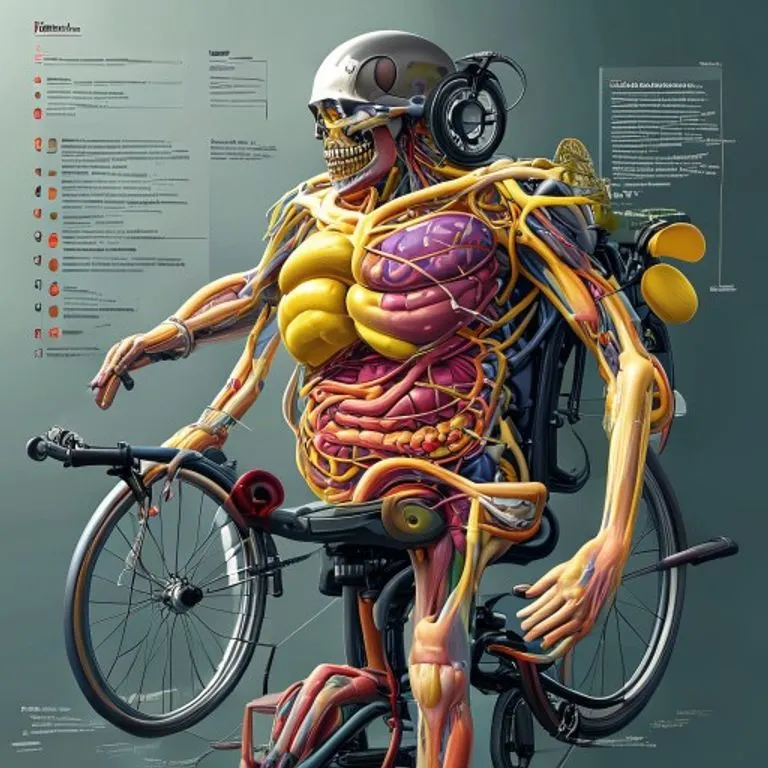
The intricate relationship between medical findings and legal frameworks is central to disability assessment, ensuring fair and objective evaluations.
General Principles of Digestive System Assessment
The evaluation of the gastrointestinal tract under Decree 917 of 1999 is fundamentally based on how permanent injuries affect an individual's capacity to perform daily life tasks. This approach necessitates a careful correlation between the assessors' findings and the patient's physical condition, rigorously corroborated by diagnostic tests. The decree acknowledges that the irreversible nature of many digestive diseases often becomes evident only after prolonged observation and treatment periods.
A significant challenge in this assessment is the difficulty or impossibility of repeating certain diagnostic tests due to cost, complexity, or invasiveness. To address this, the decree allows for supplementary evidence when direct re-testing is not feasible. This flexibility ensures that a comprehensive evaluation can still be performed, even with limitations in diagnostic procedures.
This difficulty can be supplemented, if alternatives are given the following evidence:
a) Consistency, coherence and commonality between the clinical and physical examination provided objective documentation.
b) Time evolution reasonably fit.
c) Verification of documents when necessary.
d) Using interconsultores gastroenterologists and pathologists to review the clinical and pathological findings.
It is important to note that digestive cancers, due to their size and potential for local, regional, or distant metastases, typically result in a 40% deficiency. The rating for impairment due to digestive system cancer is primarily covered under the chapter on malignant neoplasms. However, Chapter V specifically addresses those tumors that are considered radically removed without metastases at the time of the study, provided that a thorough physical examination and ancillary tests (such as ultrasound, CT, and radiographic studies) confirm the absence of tumor invasion.
In such cases where cancer is no longer an active pathology, the assessment focuses solely on the sequelae of surgery and the resulting digestive compromise. This includes the total or partial absence of an organ or segment of the digestive tract, such as radical gastrectomy or colectomy, and the presence or absence of surgical stomata. These considerations highlight the manual's emphasis on the functional impact of anatomical changes rather than the initial disease itself, once it is deemed resolved.
Disorders of the digestive system often lead to severe damage, frequently altering nutrition and, consequently, an individual's weight. Recurrent inflammatory lesions can cause complications like fistulas, abscesses, or obstructions. While these complications often respond to treatment, if they persist despite exhaustive diagnostic and therapeutic efforts, the damage is presumed to be permanent and thus ratable. Generally, these disorders fall into two main categories: malnutrition or weight loss due to gastrointestinal issues, and complications arising from gastrointestinal surgery.

Advanced imaging and data analysis are crucial for objective gastrointestinal disorder diagnosis and disability assessment.
Malnutrition or weight loss directly attributable to digestive tract disorders (e.g., enterocolitis, chronic pancreatitis, resections, strictures, or obstructions) is assessed using scientifically validated weight tables. It is crucial that the weight loss is a direct consequence of the primary or secondary digestive disorder, such as malabsorption, poor absorption, or irreversible obstruction. Weight loss caused by psychiatric or endocrine disorders is evaluated under their respective chapters, maintaining the specificity of the assessment.
Surgical interventions on the gastrointestinal tract, including colostomies or ileostomies, are covered by these regulations. However, they do not automatically constitute a work-affecting damage if the individual can maintain adequate nutrition and a functional stoma. The dumping syndrome post-gastrectomy is rarely considered a severe damage. Recurrent peptic ulcers typically respond to treatment, and definitive surgical procedures (vagotomy, pyloroplasty, subtotal gastrectomy) are considered planned interventions to control the ulcerative process.
Large abdominal hernias with irreparable loss of the anterior abdominal wall can generate a global deficiency ranging from 15% to 28%, most commonly around 15%. A simple closure of a perforated ulcer is not considered a definitive surgical treatment for rating purposes. This chapter categorizes digestive system deficiencies into several key areas for detailed evaluation, each with specific criteria and percentage ranges for impairment.
- Mouth, esophagus, stomach, first portion of the duodenum, small intestine, and pancreas.
- Colon and rectum.
- Anal canal.
- Ostomy surgery.
- Liver and bile ducts.
- Overweight (as a consequence of digestive issues).
- Other diseases of the abdominal wall.
Each of these groups is further divided into classes based on the clinical picture, with varying percentages of whole-person impairment. This granular approach ensures a precise and consistent application of the decree's guidelines.
Mouth, Esophagus, Stomach, Duodenum, Pancreas, Small Intestine
This section details the specific criteria for assessing impairments in the upper digestive tract and associated organs. The mouth, as the entry point of the digestive system, can suffer various injuries impacting mastication and speech. The esophagus, stomach, duodenum, pancreas, and small intestine are vital for digestion and nutrient absorption, and their dysfunction can lead to significant systemic effects.
5.2.1 Mouth
The mouth's role in digestion begins with mastication. Injuries or structural losses can severely impede this function, leading to nutritional deficiencies and impacting quality of life. The following table outlines the criteria for global deficiency related to mouth impairments.
| Description of criteria | Global Deficit (%) |
|---|---|
| Traumatic loss of teeth. | 1 to 3 |
| Malunions, malocclusion, deformity, partial or total loss of the jaw. | 5 to 8 |
| Loss of vault. | 10 to 15 |
| Disorders of mastication and jaw injuries. Temporomandibular joint. | 1 to 5 |
| Partial amputation of the tongue. | 10 |
| Total amputation of the tongue. | 20 |
5.2.2 Esophagus
The esophagus plays a crucial role in transporting food. Esophageal diseases can manifest with symptoms ranging from mild discomfort to severe swallowing difficulties, impacting nutritional status. The assessment considers both symptoms and anatomical changes, along with the need for ongoing treatment and weight stability.
| Class | Description of criteria | Global Deficit (%) |
|---|---|---|
| I |
|
1.0-4.9 |
| II |
|
5.0-14.9 |
| III |
|
15-24.9 |
| IV |
|
25-37.5 |
5.2.3 Stomach and First Portion of Duodenum
Disruptions in the functions of the stomach and the first portion of the duodenum can lead to a range of debilitating symptoms, including nausea, vomiting, pain, bleeding, obstruction, diarrhea, malabsorption, and significant weight loss. Nutritional deficiencies can also manifest as hematological and neurological issues, which are evaluated in their respective chapters but are often reversible with proper treatment.
Certain symptoms, such as early dumping, late dumping, chronic diarrhea, and weight loss of up to 20% of ideal body weight, are often permanent and challenging to correct. These persistent issues are key indicators in determining the level of impairment. The table below details the criteria for assessing global deficiency in these organs.
| Class | Description of criteria | Global Deficit (%) |
|---|---|---|
| I |
|
1.0-4.9 |
| II |
|
5.0-14.9 |
| III |
|
15-24.9 |
| IV |
|
25-37.5 |
5.2.4 Pancreas
Chronic, irrecoverable pancreatic diseases primarily include total or partial absence of the gland due to surgery, recurrent pancreatitis, and chronic pancreatitis, often of alcoholic origin. Cardinal symptoms are pain, which can be intractable, and malabsorption leading to high-volume diarrhea, sometimes exceeding a liter per day. This differs from primary intestinal malabsorption, where diarrhea typically ranges from 300 to 1,000 ml per day.
Individuals with severe pancreatic issues often undergo multiple surgical procedures and may develop high-volume fistulas. The assessment criteria for pancreatic deficiency are detailed in the table below, considering the severity of symptoms, anatomical changes, and the impact on nutritional status.
| Class | Description of criteria | Global Deficit (%) |
|---|---|---|
| I |
|
1.0-4.9 |
| II |
|
5.0-14.9 |
| III |
|
15-24.9 |
| IV |
|
25-37.5 |
5.2.5 Small Intestine
The small intestine is essential for nutrient absorption. Its dysfunction can lead to a wide array of symptoms, including abdominal pain, bloating, bleeding, diarrhea, weight loss, weakness, vomiting, fever, and anemia. These symptoms can profoundly impact an individual's health and functional capacity. The criteria for assessing global deficiency in the small intestine are outlined below, considering the severity of symptoms, the need for treatment, and the extent of weight loss.
| Class | Description of criteria | Global Deficit (%) |
|---|---|---|
| I |
|
1.0-4.9 |
| II |
|
5.0-14.9 |
| III |
|
15-24.9 |
| IV |
|
25-37.5 |
A summary of criteria for the assessment of global gap in the upper digestive tract (esophagus, stomach, duodenum, small bowel, and pancreas) provides a consolidated view of the impairment classes. This summary helps in understanding the progression of deficiency from minimal symptoms to severe, uncontrolled conditions with significant weight loss.
| Class | Deficiency | Description of Criteria |
|---|---|---|
| I | 1.0-4.9% | Symptoms and signs of disease in the upper digestive apparatus or there is anatomic loss or alteration; continuous treatment is not required, maintaining normal weight, or no sequelae after the operation. |
| II | 5.0-9.9% | Symptoms and signs of disease in upper digestive apparatus or there is anatomic loss or alteration; needed to keep diet and medication to control symptoms, weight loss does not exceed the normal range. |
| III | 10.0-22.4% | Symptoms and signs of disease in the upper digestive apparatus or there is anatomic loss or alteration; signs of malnutrition or the latter two, the diet and medication completely control symptoms, weight loss is moderate range and is attributed to a disorder of the upper digestive tract. |
| IV | 22.5-37.5% | Symptoms and signs of disease at the top of the appliance unit digestive or no alteration or loss anatomic; the symptoms can not be controlled, weight loss is severe range and is attributed to a disorder of the upper digestive tract. |
Class IV includes severe conditions such as recurrent gastrointestinal bleeding with anemia (hematocrit ≤ 30%), esophageal strictures with severe weight loss, peptic ulcer with persistent recurrence despite therapy, inoperable fistulas, or obstructions. Regional enteritis, when persistent or recurrent with intestinal obstruction, systemic manifestations, or requiring permanent parenteral nutrition, also falls into this severe category.
The assessment process requires a delicate balance between medical evidence and legal frameworks.
Colon and Rectum
The colon and rectum are crucial for water absorption and waste elimination. Diseases affecting these organs can lead to significant disruptions in bowel function, pain, and systemic symptoms. The assessment criteria consider the frequency and severity of symptoms, the need for dietary and medicinal interventions, and the presence of systemic manifestations like fever, anemia, and weight changes.
| Class | Description of criteria | Global Deficit (%) |
|---|---|---|
| I |
|
1.0-4.9 |
| II |
|
5.0-9.9 |
| III |
|
10.0-19.9 |
| IV |
|
20.0-30.0 |
Examples of conditions falling into Class IV include confirmed ulcerative colitis or granulomatous disease with no improvement after total colectomy, recurrent bloody stools and anemia (hematocrit ≤ 30%), or persistent systemic manifestations like arthritis, iritis, fever, or liver dysfunction not attributable to other causes. Intermittent bowel obstruction due to intractable abscess, fistula formation, or stenosis, or severe weight loss, also indicates a Class IV impairment.
Anal Canal
The anal canal is vital for fecal continence. Dysfunctions can lead to significant distress and social impairment. The most frequent symptoms and signs of changes in the anal canal include alterations in continence, urgency to defecate, pain, tenesmus (straining), rectal bleeding, diarrhea, or constipation. Incontinence of neurological origin is assessed in the neurological chapter, underscoring the interdisciplinary nature of disability evaluation.
| Class | Description of criteria | Global Deficit (%) |
|---|---|---|
| I | There are signs of disease of the anal canal or no anatomic loss or alteration. | 1.0-2.4% |
| II | There are signs of the anal canal disease or there is anatomic loss or alteration. | 2.5-7.4% |
| III | There are signs of disease or anal canal there anatomic loss or alteration. | 7.5-12.5% |
Surgical Ostomies and Abdominal Wall
Surgical ostomies, such as colostomies or ileostomies, are procedures that create an opening (stoma) on the abdomen to allow for the passage of waste. While these procedures are life-saving, they can significantly alter an individual's lifestyle and physical capabilities. The manual specifies that the mere presence of an ostomy does not automatically translate to a high disability rating if the individual can manage it effectively and maintain adequate nutrition.
However, complications arising from ostomies, such as prolapse, retraction, stenosis, or persistent skin irritation, can lead to functional limitations and thus contribute to the disability rating. The assessment focuses on the functional impact and the need for ongoing care and management, as well as any associated nutritional deficiencies.
Furthermore, the chapter also touches upon other diseases of the abdominal wall. Large abdominal hernias, particularly those with irreparable loss of the anterior abdominal wall, are specifically mentioned as conditions that can generate a global deficiency. The degree of impairment depends on the extent of the defect and its impact on physical activity and daily functions. For instance, a significant hernia that restricts movement or causes chronic pain would be rated higher than a smaller, less symptomatic one.
Conclusion and Implications
Decree 917 of 1999 provides a detailed and structured approach to assessing permanent disability in Colombia, with Chapter V offering specific, nuanced criteria for digestive system impairments. This manual underscores the importance of objective medical evidence, the long-term observation of conditions, and the functional impact on an individual's life. The detailed tables and class descriptions ensure a standardized evaluation process, aiming for fairness and consistency across all cases.
The complexity of digestive diseases, coupled with the potential for surgical interventions and their sequelae, necessitates a thorough and multidisciplinary assessment. This includes considering not only direct organ dysfunction but also secondary effects such as malnutrition, chronic pain, and limitations in daily activities. By adhering to these guidelines, medical and legal professionals can ensure that individuals with digestive system disabilities receive accurate ratings and access to the support they require.
The continuous evolution of medical science and diagnostic techniques means that such manuals require periodic review and updates to remain relevant and comprehensive. However, the foundational principles established in Decree 917 of 1999 continue to serve as a robust framework for disability assessment in Colombia, particularly for the intricate and vital functions of the digestive system.
Source: Hybrid content assisted by AIs and human editorial supervision.


Comentarios