
Single National Disability Rating: Hematopoietic System | Althox
The assessment of disability is a complex process that requires a detailed understanding of medical conditions and their impact on an individual's daily life and functional capacity. In Colombia, Decree 917 of 1999 establishes the "Manual Single National Disability Rating," a crucial legal framework designed to standardize the evaluation of permanent partial disability, invalidity, and occupational death. This comprehensive manual ensures a consistent and equitable approach to determining the degree of impairment across various bodily systems.
This article delves into the specifics of this decree, focusing on Chapter XIV, which addresses the hematopoietic system, and then expands into Book Two, which outlines the general principles and classification of disabilities. Understanding these guidelines is essential for medical professionals, legal practitioners, and individuals seeking disability benefits, as it provides a clear methodology for assessing functional limitations and their corresponding impact on a person's overall well-being and capacity for work.
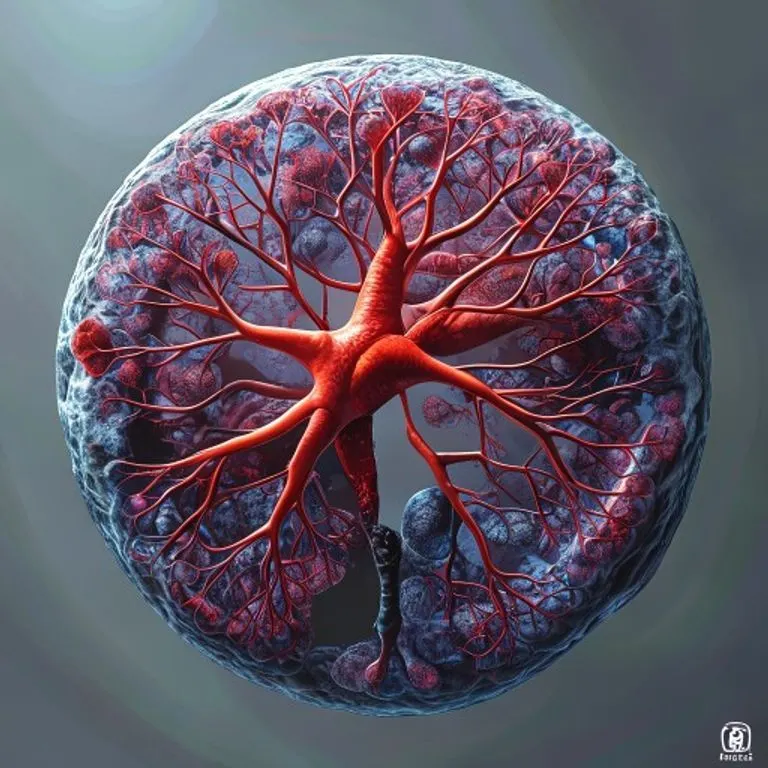
Digital illustration representing the intricate nature of disability assessment within legal frameworks.
The decree serves as a cornerstone for social security and labor law in Colombia, aiming to protect the rights of individuals whose health conditions affect their ability to participate fully in society and the workforce. By providing clear criteria, it minimizes subjectivity and ensures that evaluations are based on scientific and medical evidence. This structured approach is vital for maintaining fairness and transparency in disability determinations.
The following sections will break down the specific criteria for various conditions within the hematopoietic system, followed by an exploration of the broader definitions and classifications of disability as outlined in the manual. This detailed examination will highlight the meticulous nature of the decree and its profound implications for disability assessment in Colombia.
Table of Contents
- Understanding Colombia's Decree 917 of 1999: An Overview
- Chapter XIV: Hematopoietic System – General Considerations
- Rating Impairment for Anemia
- Evaluation of Erythrocytosis
- Leukocyte Changes and Disability Criteria
- Reticuloendothelial System Alterations
- Assessing Bleeding and Coagulation Disorders
- Platelet Alterations and Their Impact
- Book Two: The Foundation of Disability Rating
- Defining Disability: A Comprehensive Perspective
- The Nature and Classification of Disability
- General Criteria for Disability Classification
- Categorization of Disabilities and Scoring
- Behavioral Disabilities: Awareness and Social Interaction
- Communication Disabilities: Speech, Hearing, and Vision
- Personal Care Disabilities: Daily Living Activities
- Locomotion Disabilities: Movement and Mobility
- Body Disposition Disabilities: Posture and Movement
- Dexterity Disabilities: Manual and Fine Motor Skills
- Status Disabilities: Dependency and Environmental Tolerance
Understanding Colombia's Decree 917 of 1999: An Overview
Decree 917 of 1999 is a pivotal legal instrument in Colombia, establishing the "Manual Single National Disability Rating." This manual outlines the technical criteria and procedures for evaluating the loss of occupational capacity and the degree of disability for individuals. Its primary goal is to standardize the assessment process, ensuring fairness and consistency across all cases, whether related to occupational accidents, common diseases, or other causes of impairment.
The decree is structured to cover various aspects of human anatomy and physiology, providing specific guidelines for assessing impairment in different organ systems. This detailed approach is crucial for accurately quantifying the impact of health conditions on an individual's ability to perform daily activities and engage in productive work. The manual is a reference for medical boards, insurance companies, and legal entities involved in disability claims.
Chapter XIV: Hematopoietic System – General Considerations
Chapter XIV of Decree 917 focuses specifically on the hematopoietic system, which includes the blood, bone marrow, spleen, and lymphatic system. This chapter provides the criteria for evaluating impairment caused by alterations in these vital components. The proper functioning of the hematopoietic system is essential for oxygen transport, immune response, and blood clotting, making its disorders highly impactful on overall health and functional capacity.
The evaluation process considers the chronicity, severity, and treatment requirements of various conditions affecting this system. It aims to quantify the global deficiency percentage, reflecting the degree to which an individual's ability to perform normal activities is compromised. The categories of conditions covered include:
- Anemia: Conditions characterized by a deficiency of red blood cells or hemoglobin.
- Erythrocytosis: Disorders involving an excess of red blood cells.
- Changes of Leukocytes: Abnormalities in white blood cells, excluding leukemias (which are covered under malignant neoplasms).
- Changes of the Reticuloendothelial System: Disorders affecting the spleen and other reticuloendothelial tissues.
- Bleeding Disorders or Coagulation: Conditions that impair the blood's ability to clot.
- Changes of Platelets: Abnormalities in platelet count or function.
Rating Impairment for Anemia
Anemia, defined by low red blood cell count or hemoglobin, can significantly affect an individual's energy levels and overall physical capacity. The decree specifies that chronicity is indicated by a condition persisting for at least three months, with a hematocrit below 30% and requiring at least weekly transfusions. The evaluation relies heavily on laboratory reports to confirm the severity and persistence of the condition.
Laboratory reports must show consistent values over a three-month period prior to the evaluation to ensure an accurate assessment. The global deficiency percentage for anemia is determined based on the hemoglobin levels and the frequency of transfusion needs, as detailed in Table No. 14.2.1 of the decree.
TABLE No. 14.2.1 Global related deficiency anemia
Symptomatology level in peripheral blood hemoglobin, g/100 ml of blood Transfusion need global deficiency (%)
No 11 or more in adult females None 0
No 12 or more adult males None 0
None to minimal 9-11 No 3
Minimal to moderate 7 to 9 Average of 1 unit or less cada6 weeks. 10
Moderate 7 Average of 1 unit or more every two semanas20
Moderate to severe 5-7 Average of 1 or less every 2 weeks 30
Severe 5 Average of 1 or more every 2 weeks 40
Less severe than 5 1 or more every two weeks 50
This table provides a clear scale for assessing the severity of anemia, correlating hemoglobin levels and transfusion requirements with a specific global deficiency percentage. Such precise criteria help ensure that individuals with anemia receive an appropriate disability rating based on objective medical evidence.
Evaluation of Erythrocytosis
Erythrocytosis, characterized by an abnormally high concentration of red blood cells, can lead to various health complications, including increased blood viscosity and a higher risk of thrombosis. The manual provides specific criteria for evaluating the permanent impairment related to this condition, classifying it into different levels based on hemoglobin levels and treatment needs.
The assessment considers the intensity of treatment required, such as phlebotomy or myelosuppressive therapy, to maintain hemoglobin levels within a manageable range. The table below outlines the criteria for global deficiency due to erythrocytosis, ensuring a standardized evaluation.
TABLE No. 14.1. Global deficiency erythrocytosis.
Class Description of criteria Global Deficit (%)
I • The hemoglobin level is high, but remains at a level below 18 g/100 ml blood at sea level, with infrequent or no treatment. 5.0
II · need an intermittent treatment with phlebotomy myelosuppressive month to keep the level of peripheral blood hemoglobin less than 18 g/100 ml of blood at sea level. 20.0
III · myelosuppressive therapy is required with phlebotomy every two weeks or less to maintain the level of peripheral blood hemoglobin less than 20 g/100 ml of blood at sea level. 40.0
These classes differentiate between mild, moderate, and severe erythrocytosis, linking the treatment intensity and hemoglobin control to the assigned global deficit percentage. This structured approach ensures that the impact on an individual's health and functional capacity is accurately reflected in their disability rating.
Leukocyte Changes and Disability Criteria
Disorders affecting leukocytes (white blood cells) can compromise the body's immune response, leading to increased susceptibility to infections and other complications. For clarity, leukemias are not included in this chapter but are addressed in the section corresponding to malignant neoplasms. This chapter focuses on other types of leukocyte abnormalities.
The criteria for evaluating impairment caused by leukocyte disorders consider the presence of symptoms, the need for continuous treatment, and the extent to which these conditions interfere with daily living activities. The table below details the classification and global deficit percentages.
TABLE No. 14.2. Global deficiency disorders of leukocytes
Class Description of criteria Global Deficit (%)
I • There are symptoms and signs of abnormality in leukocytes; Do not need any treatment or only needed sporadically; • And, you can perform all or most activities of daily living. 3.0
II • There are symptoms and signs of abnormality in leukocytes, and, • Although continuous treatment is necessary, can continue with most activities of daily living 10.0
III • There are symptoms and signs of abnormality in leukocytes · need continuous treatment; • And, there is interference in carrying out activities of daily living, occasionally requiring the assistance of others. 20.0
IV • There are symptoms and signs of abnormality in leukocytes · need continuous treatment; • And, they have difficulty performing everyday tasks, requiring continued assistance of others. 35.0
NOTE: In general, all chronic granulocytopenia ANC repeatedly under 2,000 per mm3 and recurrent systemic bacterial infections, duly certified for at least 3 times within 5 months prior to filing for disability qualification under the class IV deficiency 35%.
The note specifically highlights chronic granulocytopenia with recurrent infections as a condition that can qualify for a Class IV deficiency. This emphasizes the importance of documented medical history and laboratory findings in the evaluation process. For more information on related health topics, you can search for salud, bienestar, y enfermedades.

A still life arrangement symbolizing the detailed medical research and assessment involved in disability ratings.
Reticuloendothelial System Alterations
The reticuloendothelial system (RES), primarily involving the spleen, plays a critical role in immunity and blood filtration. Alterations in this system, such as splenectomy or developmental failures, can have significant health consequences. If splenectomy is of traumatic origin, a 10% global deficit is assigned. The decree specifies that any associated failures should be assessed according to the affected system.
Abnormalities of the thymus, particularly with hyperfunction, benign or malignant tumors, or its absence, are assessed based on the individual's difficulties in performing activities rather than a direct percentage from this chapter. The criteria for evaluating RES deficiency are structured into classes based on the severity of symptoms and the impact on daily living.
TABLE No. 14.3. Global deficiency disorders of the reticuloendothelial system.
Class Description of criteria Global Deficit (%)
I • There are symptoms or signs of reticuloendothelial disease; • And, you can perform activities of daily living with little or no difficulty. 5.0
II • There are symptoms and signs of reticuloendothelial disease; • And, can perform most daily tasks with little help from others. 20.0
III • There are symptoms and signs of reticuloendothelial disease. · Need continuous treatment; • And, you can not perform activities of daily living. 30.0
These guidelines ensure that the functional limitations resulting from RES disorders are systematically evaluated, accounting for both the medical condition and its practical implications for the individual. For further reading on biological systems, consider exploring biología, anatomía, y fisiología.
Assessing Bleeding and Coagulation Disorders
Bleeding and coagulation disorders, such as hemophilia, significantly increase the risk of hemorrhage and require individuals to avoid activities that may cause trauma. This inherent need for caution results in an initial global deficit. The decree assigns a baseline 5.0% global deficit for individuals with bleeding disorders due to the necessary activity restrictions.
Any complications arising from these disorders, such as joint damage or internal bleeding, must be evaluated individually according to the criteria in other relevant chapters of the manual. The percentage value assigned to these complications is then combined with the initial deficit for the bleeding disorder itself.
For hemophilia specifically, given the deficiency of clotting factors, a global deficit of 17.0% is assigned as a criterion. Deficiencies caused by hemophilia are further evaluated in their respective chapters, ensuring a holistic assessment of the condition's impact. The comprehensive approach helps to capture the full scope of disability. You can find more details about legal aspects of health in derecho, salud, y legal.
Platelet Alterations and Their Impact
Platelet alterations, whether in count or function, can lead to impaired hemostasis, increasing the risk of bleeding or thrombosis. Individuals with established platelet disorders must avoid activities that could cause trauma and often require constant monitoring. Consequently, an individual with a confirmed platelet disorder is assigned a 10% global deficiency.
Similar to bleeding disorders, any complications such as severe bleeding episodes or thrombotic events are evaluated separately based on the affected bodily system. The resulting impairment percentage from these complications is then combined with the initial 10% deficit for the platelet disorder. This layered assessment ensures that both the primary condition and its secondary effects are accounted for in the disability rating.
Abstract visualization of blood cells and their pathways, highlighting the critical functions of the hematopoietic system.
Book Two: The Foundation of Disability Rating
Book Two of the manual complements the specific medical chapters by providing a foundational understanding of disability, its definition, nature, and classification. It emphasizes the principle of comprehensiveness, urging evaluators to understand the physio-psycho-social impact of a deficiency on a person or worker. This holistic view is crucial for a fair and accurate disability rating.
Article 13th. - Book Two: OF DISABILITY
1. General: This book complements the First and Third, to achieve the rating of disability within the principle of comprehensiveness. It is therefore necessary that the doctors of the Functional Assessment Committees and the Boards of the Disability Rating, understand very clearly what the impact of a deficiency in the operation causes physio-psycho-social of a person or a worker.
This article underscores the importance of considering not just the medical condition itself, but also its broader implications for the individual's life, including their mental health, social interactions, and ability to work. This integrated approach ensures that disability ratings are not solely based on clinical findings but also on the real-world challenges faced by the affected person.
Defining Disability: A Comprehensive Perspective
The manual provides a clear definition of disability, aligning with international health experiences. It views disability as a restriction or lack of ability to perform an activity in a manner or within a range considered normal for a human being, resulting from an impairment. The maximum rating for disability in the sum total is 20%, indicating that disability is a component of a larger assessment of invalidity.
2. Definition of disability: In Health experience, a disability is any restriction or lack (resulting from an impairment) of ability to perform an activity in the manner or within the range considered normal for a human being. Their top rating in the sum total of disability is 20%.
This definition highlights that disability is a consequence of an impairment, affecting an individual's functional capacity. It's a key distinction that guides the entire evaluation process, ensuring that the focus remains on the functional limitations rather than solely on the medical diagnosis. For insights into human behavior and psychology, explore psicología, comportamiento, y salud mental.
The Nature and Classification of Disability
Disability is characterized by excesses or deficiencies in performance and behavior within routine activities. These characteristics can be temporary or permanent, reversible or irreversible, and progressive or regressive. Disabilities can arise directly from a deficiency or as a psychological response to a physical impairment. It represents the objectification of a deficiency, reflecting changes at the individual level.
3. Nature of the disability: The disability is characterized by excesses or deficiencies in performance and behavior in a normal routine activity, which can be temporary or permanent reversible or irreversible and progressive or regressive. Disabilities may arise as a direct result of the deficiency, or a response of the individual himself, especially the psychological, physical disability sensory or otherwise. Disability represents the objectification of a deficiency and as such, reflects changes at the level of the individual.
This nuanced understanding of disability acknowledges its dynamic nature and the interplay between physical and psychological factors. It emphasizes that the evaluation must consider the individual's unique experience and adaptation to their condition. Understanding these aspects is crucial for a fair assessment, as explored in articles on datos curiosos y actualidad.
General Criteria for Disability Classification
To qualify for disability, the manual establishes general criteria centered on the concept of integrity, viewing the human being as an open system composed of three interconnected subsystems:
- Subsystem of Will: Governs, singles out, motivates, and initiates execution, determining the "why we do what we do."
- Habituation Subsystem: Organizes activities into patterns (habits and routines), addressing the "when we do."
- Performance Subsystem: Encompasses the structures used to produce occupational performance, representing "that with what you have to do."
Damage to any of these subsystems leads to a particular qualified disability. For occupational performance disability, the evaluation must consider not only the main executing agency but also the supporting systems, organs, and functions. Each disability has a different severity depending on the pathology, guided by Table No. 1, which provides a standard rate for severity.
TABLE No. 1. Severity rating STANDARD RATE
0.0 nondisabled
0.1 Difficulties in implementing
0.2 Implementation aided
Assisted implementation dependent, increased.
0.3 In awarding the score should be used for the previous table in each of the disabilities, taking into account not exceed the maximum value assigned to each category of disability.
This table provides a foundational scale for rating severity, which is then applied within each specific disability category. It ensures a consistent and incremental approach to quantifying the impact of impairment on an individual's functional capacity. For more information on health and well-being, you can visit Althox.
Categorization of Disabilities and Scoring
For better understanding and ease of classification, disabilities are divided into categories, each with a maximum qualifying score. This categorization helps to systematically assess different aspects of an individual's functional limitations. The following table summarizes these categories and their individual maximum scores.
TABLE No. 2. Classification of disabilities Relationship categories and their individual maximum scores for qualification
MAXIMUM PERCENTAGE ASSIGNED Category
Behavioral disabilities 3.0
3.0 Communication Disabilities
Personal care disabilities. 3.0
Disabilities of locomotion 3.0
Disabilities of the disposition of the body 3.0
3.0 dexterity disabilities
2.0 Disability status
TOTAL SCORE 20.0
This table provides a high-level overview of the main disability categories and their weight in the overall assessment. Each category is further broken down into specific types of disability with corresponding scores, ensuring a granular and detailed evaluation. This structured approach helps to capture the multifaceted nature of disability.
Behavioral Disabilities: Awareness and Social Interaction
Behavioral disabilities refer to restrictions or lack of ability to behave appropriately in daily life activities and in relation to others. This can stem from problems of consciousness, loss of motivation, or learning difficulties. It explicitly excludes communication disabilities, which are addressed separately. The primary focus here is on awareness and relational aspects.
CHAPTER I BEHAVIORAL DISABILITIES Refers to the restriction or lack of the ability of individuals to behave, both in daily life activities and in relation to others, either because of problems of consciousness, loss of motivation or learning difficulties. Excludes: Communication Disabilities (2)
DISABILITIES AWARENESS (10-16) Awareness refers to having knowledge.
10 AD DISABILITY AWARENESS OF SELF Includes: disturbance of the ability to develop or maintain a mental representation of self-identity of the subject or body (body schema) and its continuity over time, and behavioral disturbance resulting from the interference with conscience or sense of identity and confusion (inappropriate interpretation and response to external events, which is expressed by means of agitation, restlessness and noise). This disability is scored when present on a temporary or permanent.
10.1 Disability in the orientation of the body schema Includes: disturbance of the mental representation of the subject's body, such as inability to differentiate right and left, experiences "phantom limb" and other similar phenomena.
10.2 In personal appearance Includes: Souci for shaving or hair care status and bring dirty clothes. Dress and makeup in a careless manner, physical appearance very strange or inconsistent with the circumstances and the socio - cultural.
10.3 Other disturbance of the presentation of self Includes: disturbance of the ability to offer a favorable image in social situations, such as not paying attention to social support routines (eg, waving, partying, thank, apologize, apologize, and reciprocity of all it) and lack of "presence" (eg, total lack of originality or exce...)
This chapter delves into specific aspects such as awareness of self, body schema orientation, and personal appearance, recognizing that these elements are fundamental to social functioning and self-care. The scoring for these disabilities considers their temporary or permanent nature, reflecting the dynamic impact on an individual's behavior and self-perception. For more on human behavior, check out articles on comportamiento, sociedad, e interacción.
Communication Disabilities: Speech, Hearing, and Vision
Communication disabilities encompass difficulties in speech, hearing, and vision, which are vital for interaction and information processing. This category is crucial for assessing an individual's ability to engage with their environment and other people. The manual breaks down these disabilities into specific sub-categories, each with a designated score.
Speech disabilities cover understanding and producing speech, while hearing disabilities focus on the ability to perceive spoken language. Visual disabilities address tasks requiring visual acuity and processing. The scoring system ensures that the severity of each communication impairment is accurately reflected in the overall disability rating.
- Speech disability (20-22): Includes difficulty understanding speech, talking, and other speech-related issues (0.9 total).
- Hearing disability (23-24): Covers difficulty hearing speech and other hearing impairments (0.6 total).
- Disabilities to see (25-27): Involves challenges with visual tasks, detailed visual tasks, and similar activities (0.9 total).
- Other communication disabilities (28-29): Addresses other forms of communication difficulties (0.6 total).
These detailed breakdowns ensure that the specific nature of communication challenges is recognized and quantified, contributing to a comprehensive assessment of the individual's functional limitations. For more on communication and technology, you can search tecnología, comunicación, e innovación.
Personal Care Disabilities: Daily Living Activities
Personal care disabilities relate to an individual's ability to perform essential daily living activities, which are fundamental for independence and quality of life. This category includes difficulties with excretion, personal hygiene, dressing, and feeding. Each sub-category is assigned a specific score to reflect the degree of impairment.
The assessment considers both controlled and uncontrolled excretory difficulties, as well as the ability to use sanitary facilities. Personal hygiene aspects include bathing and other self-care routines. Dressing disabilities involve putting on clothes, while feeding disabilities cover food preparation and the act of eating. These are critical for determining the level of support an individual may require.
- Disabilities excretion (30-32): Difficulties with controlled/uncontrolled excretion and use of sanitary elements (0.9 total).
- Disabilities personal hygiene (33-34): Challenges with bathing and other personal care (0.6 total).
- Fixed Disabilities (35-36): Difficulties putting on clothes and other fixed disabilities (0.6 total).
- Disabilities for feeding and other personal care (37-39): Issues with food preparations, feeding, and other personal care (0.9 total).
The detailed scoring for these activities ensures that the functional impact on daily self-care is accurately measured, providing a clear picture of the individual's needs. For related topics on health and daily routines, you might find bienestar, hábitos, y salud interesting.
Locomotion Disabilities: Movement and Mobility
Locomotion disabilities pertain to an individual's ability to move around, including ambulation, changing positions, and using transportation. These are fundamental for independence and participation in social and occupational activities. The manual provides specific criteria and scores for various aspects of mobility impairment.
Ambulation disabilities cover walking, saving slopes, climbing stairs, and running. Difficulties from leaving refer to changing positions in bed or a chair and using transport. Other locomotion disabilities encompass broader movement challenges. The assessment aims to quantify the extent to which an individual's mobility is restricted.
- Disabilities of ambulation (40-45): Covers walking, slopes, stairs, running, and other ambulation issues (1.8 total).
- Disabilities from leaving (46-47): Includes changing positions and using transport (0.6 total).
- Other disability in locomotion (48-49): Addresses other general locomotion difficulties (0.6 total).
This detailed categorization ensures that all facets of mobility are considered, from basic walking to more complex movements and use of external aids. The scores reflect the severity of these limitations, contributing to a comprehensive disability rating. For more on physical activity, consider searching for actividad física, ejercicio, y movilidad.
Body Disposition Disabilities: Posture and Movement
Body disposition disabilities relate to an individual's ability to control their body posture and perform various movements, including domestic tasks and specific body movements. These are essential for maintaining independence and engaging in daily life. The manual categorizes these into domestic disabilities, body movement disabilities, and other related issues.
Domestic disabilities involve providing subsistence and performing housework, reflecting the capacity for self-sufficiency within a home environment. Body movement disabilities cover actions like picking up, reaching, kneeling, and crouching. Other disabilities in body disposition address broader postural impairments. These distinctions help in accurately assessing the functional limitations.
- Domestic Disabilities (50-51): Difficulties providing subsistence and housework (0.6 total).
- Disabilities body movement (52-57): Covers picking, reaching, arm function, kneeling, crouching, and other body movements (1.8 total).
- Other disabilities in the provision of the body (58-59): Addresses impaired postural control and other related disabilities (0.6 total).
The detailed scoring for these categories ensures that the impact on an individual's ability to manage their body and perform household tasks is thoroughly evaluated. This contributes to a holistic understanding of their functional limitations. For more on ergonomic considerations, you can search ergonomía, postura, y trabajo.
Dexterity Disabilities: Manual and Fine Motor Skills
Dexterity disabilities relate to an individual's fine motor skills and manual coordination, which are essential for a wide range of daily tasks, from writing to operating machinery. This category includes disabilities in daily life, manual activity, and other dexterity issues. The manual provides specific scores to quantify these impairments.
Disabilities in daily life cover regular environmental interactions. Manual activity disabilities involve handling with fingers, grabbing, holding, and general hand use. Other dexterity disabilities address broader issues like foot control. These distinctions are crucial for assessing an individual's capacity for precise and coordinated movements.
- Disabilities in daily life (60-61): Difficulties with regular environment and other daily life activities (0.6 total).
- Disabilities manual activity (62-66): Covers finger handling, grabbing, holding, hand use, and other manual activities (1.5 total).
- Other dexterity disabilities (67-69): Addresses foot control and other body control/dexterity issues (0.9 total).
This detailed scoring helps to accurately measure the impact of dexterity impairments on an individual's ability to perform tasks requiring fine motor skills, which is critical for many occupations and daily activities. For more on cognitive and motor skills, you can search neurociencia, habilidades, y cognición.
Status Disabilities: Dependency and Environmental Tolerance
Status disabilities relate to an individual's dependency levels and their tolerance to various environmental factors. These aspects are crucial for understanding how well a person can function independently and adapt to different settings, particularly in occupational contexts. The manual divides this category into dependency and resistance, and environmental disabilities.
Dependency and resistance disabilities cover circumstantial dependency and general resistance levels. Environmental disabilities assess tolerance to temperature, climatic conditions, noise, lighting, and stress at work. These factors can significantly impact an individual's ability to perform tasks in various environments, highlighting the importance of a comprehensive evaluation.
- Disabilities dependency and resistance (70-71): Covers circumstantial dependency and resistance (0.4 total).
- Environmental Disabilities (72-77): Addresses tolerance to temperature, other climatic factors, noise, lighting, stress at work, and other environmental factors (1.4 total).
- Other disability status (78): Covers any other status-related disabilities (0.2 total).
The detailed scoring for status disabilities ensures that both the internal factors of dependency and resistance, and the external factors of environmental tolerance, are thoroughly assessed. This provides a complete picture of an individual's functional capacity and their ability to adapt to different situations. For more on environmental factors and health, you can search medio ambiente, salud pública, y adaptación.
Fuente: Contenido híbrido asistido por IAs y supervisión editorial humana.


Comentarios