
Tribulus Terrestris: Thorny Land Weapon Explored | Althox
Tribulus Terrestris, often colloquially referred to as the "thorny land weapon," is a flowering plant with a rich history and a controversial modern reputation. Its name, derived from Latin, aptly describes its distinctive, spiky fruit, which can indeed feel like a weapon underfoot. This resilient herb has been a staple in various traditional medicine systems for centuries, particularly for its purported effects on vitality and sexual health. However, its widespread presence also marks it as a tenacious weed in many agricultural landscapes.
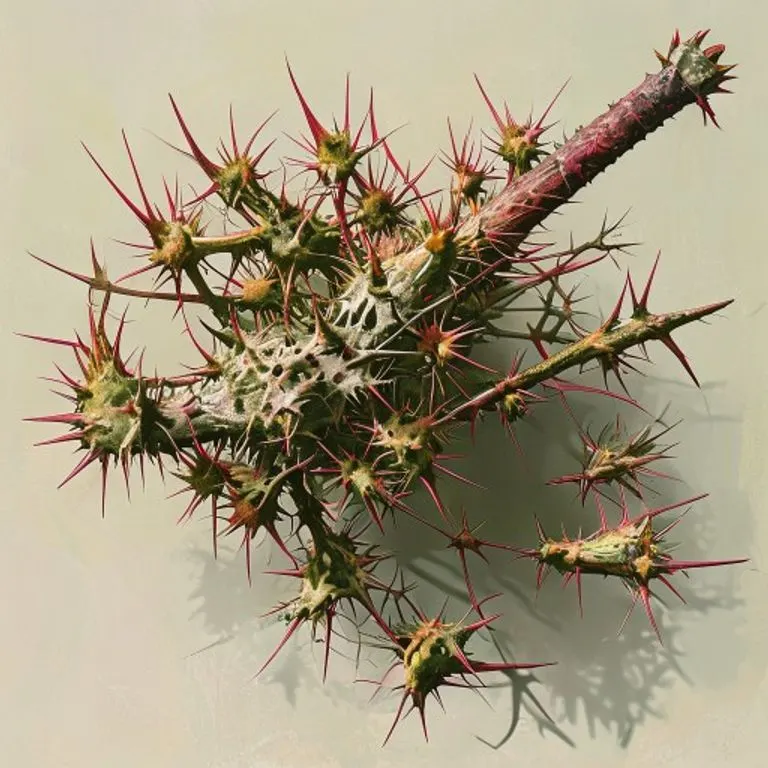
The distinctive, spiky fruit of Tribulus Terrestris earned it the moniker "thorny land weapon," reflecting its formidable nature.
This comprehensive exploration delves into the botanical characteristics, traditional applications, scientific investigations into its efficacy, and the ecological implications of Tribulus Terrestris. From its humble origins to its current status as a popular dietary supplement and an agricultural challenge, understanding this plant requires a multi-faceted approach that balances historical use with rigorous scientific scrutiny.
The plant's adaptability to harsh environments is a testament to its resilience, allowing it to flourish in diverse climates across the globe. This very trait, while ensuring its survival, also contributes to its classification as a nuisance in cultivated areas. We will examine how this dual nature impacts both human health and agricultural practices, providing a balanced perspective on a plant that continues to fascinate and challenge researchers and farmers alike.
Botanical Profile and Classification
Tribulus Terrestris is a member of the Zygophyllaceae family, a group of flowering plants known for their distinctive fruit capsules. It is a herbaceous plant, meaning it has non-woody stems, and can be classified as either an annual or perennial depending on the climate. In regions with seasonal heat, it typically grows as a summer annual, completing its life cycle within a single growing season. However, in consistently warm, tropical environments, it can persist for multiple years.
The plant exhibits a prostrate growth habit, meaning its stems tend to spread horizontally along the ground rather than growing upright. These leafy stems can vary significantly in length, ranging from just 1 centimeter to over a meter, effectively covering a wide area. This creeping nature allows it to colonize open spaces efficiently. Only when supported by adjacent plants or structures does it show a tendency to ascend, a survival mechanism to reach light in denser vegetation.
- Leaves: Pinnately compound, consisting of several small leaflets, typically not exceeding 7 millimeters in length.
- Flowers: Small, with a diameter ranging from 4 to 10 millimeters, characterized by five petals. Their color can vary from bright yellow to a strong lime green, adding a subtle splash of color to its often-harsh habitats.
- Fruit: The most distinctive feature, developing from each flower. These fruits are small, oval, and encased in a hard, spiny shell. Each fruit typically contains four or five seeds. The thorns are remarkably tough and sharp, capable of puncturing bicycle tires or skin, serving as an effective defense mechanism and aiding in seed dispersal by clinging to animals or human clothing.
Ecological Adaptability and Global Distribution
One of the most remarkable aspects of Tribulus Terrestris is its extraordinary adaptability. This plant can thrive in some of the most challenging environments on Earth, from the scorching heat of deserts to barren, nutrient-poor soils. This resilience allows it to survive and proliferate where many other species would perish. Its native range is extensive, encompassing tropical and generally mild to hot regions of the Old World, including Southern Asia, Southern Europe, and Northern Australia.
Its ability to withstand extreme climatic conditions, such as prolonged droughts and intense heat, is attributed to several physiological mechanisms. These include a deep root system that can access water sources far below the surface, and a growth habit that minimizes exposure to direct sunlight. This robust nature has allowed it to spread far beyond its indigenous territories, becoming naturalized in many other parts of the world, including North and South America.
The plant's success in colonizing diverse habitats is also facilitated by its efficient seed dispersal strategy. The thorny fruits readily attach to animal fur, clothing, or vehicle tires, transporting the seeds over long distances. This passive dispersal, combined with the seeds' long dormancy period, ensures that Tribulus Terrestris can establish new populations even after environmental disturbances or attempts at eradication.
Cultivation Challenges and Invasive Nature
While valued for its medicinal properties, Tribulus Terrestris is widely regarded as an invasive weed in many agricultural regions, particularly in Australia and parts of the United States. Its rapid growth, prolific seed production, and ability to outcompete native vegetation make it a significant challenge for farmers and land managers. The plant's thorny fruits can also injure livestock, contaminate wool, and damage farm equipment, leading to economic losses.
For those interested in cultivating Tribulus Terrestris for its therapeutic uses, specific conditions are recommended to ensure healthy growth. The plant thrives best in moist, sandy soils and requires warm temperatures, ideally without nocturnal or early morning frosts during its initial growth stages. The first 40 days of a young plant's life are particularly vulnerable, making proper sowing and environmental control crucial for establishment.
- Sowing: Seeds should be planted very shallowly or simply scattered on the ground and lightly covered with a thin layer of sandy soil.
- Vulnerability: Young plants are highly susceptible to adverse conditions, requiring careful management during their early development.
- Livestock Interaction: While cattle may consume Tribulus Terrestris, its thorny fruits pose a risk to smaller mammals like sheep and goats, causing discomfort and aiding in seed dissemination.

Traditional preparations of Tribulus Terrestris often involved grinding its dried fruits and leaves into powders or teas.
Traditional Uses in Herbal Medicine
For centuries, Tribulus Terrestris has been a cornerstone of traditional medicine systems, particularly in Ayurveda (Indian traditional medicine) and Traditional Chinese Medicine (TCM). Its reputation as a general energizing tonic and, more specifically, as an aphrodisiac and promoter of sexual health, is well-documented in these ancient practices.
In Ayurvedic medicine, Tribulus Terrestris is known by the Sanskrit name "Gokshura." It is traditionally used to address a range of conditions, including urinary disorders, kidney stones, and as a potent aphrodisiac to enhance libido and fertility. Preparations often include teas, powders, and topical ointments derived from the plant's various parts.
Traditional Chinese Medicine also incorporates Tribulus Terrestris, primarily for correcting urinary complications and disorders. Additionally, it has been used to counteract a lack of milk production in nursing mothers, suggesting a historical understanding of its potential influence on hormonal balance or physiological functions related to lactation. The plant's broad application in these systems underscores its perceived versatility and efficacy across different ailments.
Modern Scientific Investigation: Health Claims and Efficacy
The traditional uses of Tribulus Terrestris, particularly its reputation as a sexual enhancer and testosterone booster, have garnered significant attention in modern scientific research. The plant gained prominence in the early 1970s following studies conducted in Eastern Europe, specifically Bulgaria. These initial investigations suggested that Tribulus Terrestris intake could temporarily elevate levels of certain hormones, notably testosterone, before returning to normal ranges. This led to its widespread marketing as a libido enhancer and a supplement for athletic performance.
However, subsequent and more rigorous scientific studies have presented a more nuanced picture. Many recent investigations, particularly those involving young, healthy male adolescents, have failed to demonstrate a significant increase in blood testosterone or luteinizing hormone (LH) levels after Tribulus Terrestris supplementation. This discrepancy highlights the complexity of herbal medicine research and the need for robust, peer-reviewed evidence to substantiate health claims.
Despite the mixed results regarding direct testosterone elevation in healthy individuals, some research suggests potential benefits in specific populations. For instance, individuals with sub-normal testosterone levels, such as those experiencing malnutrition, very restrictive diets, or overtraining syndrome in athletes, might experience some improvement. In these cases, Tribulus Terrestris may help normalize hormonal profiles rather than significantly boosting them beyond physiological ranges.
A common comparison is made between Tribulus Terrestris and Panax Ginseng, another well-known adaptogen and tonic. While both are used to enhance vitality, their mechanisms of action are believed to be entirely different. Ginseng primarily acts as a general adaptogen, supporting overall stress response and energy, whereas Tribulus Terrestris has been historically linked more directly to reproductive and hormonal pathways.
Animal studies, particularly with rodents, have shown more promising results regarding sexual performance. Research has indicated that Tribulus Terrestris can improve male erection and sexual behavior in rats, sometimes even outperforming synthetic compounds like testosterone cypionate in terms of response time and erection durability. However, the applicability of these findings directly to humans remains a subject of ongoing debate and requires further clinical trials.
Potential side effects reported by some users include stomach upset, suggesting that the supplement should ideally be taken with meals to mitigate digestive discomfort. Long-term studies on the safety and efficacy of Tribulus Terrestris are still needed to fully understand its comprehensive impact on human health.
Key Functions of Testosterone and Potential Tribulus Interaction
Testosterone, a crucial hormone in both males and females (though in different concentrations), plays vital roles in numerous bodily functions. Its influence extends far beyond sexual characteristics, impacting muscle development, bone density, and even immune response. Understanding these functions helps contextualize the claims made about Tribulus Terrestris:
- Muscle Hypertrophy: Testosterone is a key anabolic hormone, promoting the increase in muscle tissue size and strength. Supplements claiming to boost testosterone often target this effect for athletes and bodybuilders.
- Fertility: Indirectly, testosterone contributes to male and female fertility by influencing the secretion of other pro-hormones and hormones essential for reproduction. In males, this includes sperm motility, spermatogenesis (sperm production), and the volume, quantity, and quality of seminal fluid. In females, it can indirectly support the regulation of the menstrual cycle and other reproductive processes.
- Immune System: Testosterone directly impacts immune processes by stimulating bone marrow production and the processing of red blood cells (erythrocytes), a process known as erythropoiesis. This contributes to a robust immune response and overall physiological resilience.
The proposed mechanism by which Tribulus Terrestris might influence these functions, according to earlier theories, involved its ability to raise blood levels of gonadotropin-releasing hormone (GnRH). GnRH, in turn, stimulates the secretion and/or production of luteinizing hormone (LH) and follicle-stimulating hormone (FSH), both of which are critical for endogenous testosterone production and reproductive health. However, as noted, the direct and significant impact on these hormonal pathways in healthy humans remains largely unconfirmed by modern research.
Active Compounds: Protodioscin and Its Role
The primary active ingredient identified in Tribulus Terrestris is a steroidal saponin called protodioscin (PTN). This compound is structurally related to dehydroepiandrosterone (DHEA), a pro-hormone produced by the adrenal glands that can be converted into other hormones, including testosterone and estrogen. The presence of protodioscin is believed to be responsible for many of the plant's purported physiological effects.
In laboratory settings, particularly in studies involving mice, protodioscin has shown promising results in improving sexual performance, specifically male erection. Researchers have observed that regular administration of this principle to rodents can lead to significant improvements in response time and the durability of erections. This effect is often compared to, and in some cases found to be superior to, the administration of testosterone cypionate.
However, it is crucial to note that while these animal studies are encouraging, the results are not yet considered conclusive for human application. The compound's efficacy in animals depends on its integration and modification within the rodent's system to become bioavailable. Furthermore, it typically requires daily administration, often 2 to 3 times per week, to achieve the desired effects. The transition from animal models to human clinical trials often reveals differences in metabolism and physiological response.
The comparison between protodioscin and synthetic esters like testosterone cypionate is particularly relevant. While testosterone cypionate is a potent synthetic steroid with known tissue activity, its long-term side effects are well-documented. Protodioscin, as a natural resource, offers a potentially promising alternative, but comprehensive studies on its long-term effects and safety profile in humans are still lacking. Current anecdotal evidence and some studies suggest mild side effects such as stomach upset, which can often be mitigated by taking the supplement with food.
The invasive nature of Tribulus Terrestris allows it to colonize diverse and challenging environments, making eradication difficult.
Eradication and Control Strategies
Given its classification as a noxious weed in many parts of the world, controlling the spread of Tribulus Terrestris is a significant challenge. Its robust nature and efficient reproductive strategies make complete eradication particularly difficult. The primary obstacle lies in the plant's seeds, which can remain dormant in the soil for extended periods, typically ranging from 3 to 7 years. This long dormancy means that even after successful removal of visible plants, new growth can emerge years later from the persistent seed bank.
Various methods are employed to manage Tribulus Terrestris, ranging from mechanical removal to chemical treatments:
- Mechanical Control: This involves physical removal through methods like fumigation, pruning, or manual uprooting. While effective for individual plants, it is labor-intensive and often insufficient for large infestations due to the dormant seed bank.
- Biological Control: One approach involves planting desirable, competing vegetation around the weed. The idea is that these plants will deplete the soil's nutritional resources, thereby starving and eventually killing the Tribulus Terrestris. However, this method has limitations, as the creeping nature of Tribulus allows it to potentially overcome these barriers and spread its seeds to new areas.
- Chemical Control (Pre-Germination): Herbicides are often recommended, though their effectiveness varies. For pre-germination control, chemicals like oryzalin, trifluralin, and BeneFin can be applied. These typically work by inhibiting seed germination and are most effective when applied in late winter or early to mid-spring, before the main growing season begins.
- Chemical Control (Post-Germination): Once plants have sprouted, post-emergence herbicides are used. Common examples include various types of glyphosate and dicamba (e.g., Dicamba 2,4-D Wil). While these can be more effective at killing established plants, they come with significant environmental and health risks. Many such pesticides are highly toxic, capable of harming not only the target weed but also adjacent plants, animals, and even humans through exposure or consumption. Consequently, their use is restricted or banned in several countries due to these severe ecological and health implications.
The ongoing challenge of managing Tribulus Terrestris underscores the need for integrated pest management strategies that combine multiple approaches, prioritizing sustainable and environmentally friendly solutions where possible. Continuous monitoring and long-term commitment are essential to mitigate its invasive impact.
The Curious Etymology of "Tribulus"
The name "Tribulus" itself carries a fascinating etymology that reflects the plant's most striking characteristic: its thorns. The term is often associated with the Latin word "tribulum," which referred to a threshing board or a caltrop – a weapon with sharp spikes designed to impede cavalry or infantry. This connection immediately conjures an image of something sharp, dangerous, and designed to cause discomfort or impede movement.
More evocatively, the name is sometimes interpreted as a contraction or abbreviation of words meaning "open eye," "touching," and "warning." This interpretation directly references the plant's spiny fruits, which are sharp enough to demand immediate attention if stepped upon, effectively "opening one's eyes" to its presence and serving as a "warning" to be careful. This vivid imagery underscores the plant's physical impact on anyone or anything that encounters its thorny seeds.
This etymological insight is not unique to Tribulus Terrestris. Across many languages and cultures, plants with thorns or sharp features are often given names that highlight these defensive attributes. In Spanish-speaking communities, for example, many thorny plants are generically referred to as "thistles" (cardos), emphasizing their prickly nature. The name "Tribulus Terrestris" thus serves as a linguistic testament to the plant's formidable and unforgettable physical characteristics, reinforcing its identity as the "thorny land weapon" that it truly is.
Fuente: Contenido híbrido asistido por IAs y supervisión editorial humana.


Comentarios