
Chromosome Aberrations: Genetic Mutations, Causes, Impact | Althox
Chromosome aberrations, often referred to as genetic mutations, represent critical deviations from the normal structure or number of chromosomes within a cell. These alterations can have profound implications for an organism's development, health, and overall phenotype. Understanding these aberrations is fundamental to the fields of genetics, medicine, and evolutionary biology, as they underpin a wide array of genetic disorders and play a role in the evolutionary process itself.
The study of chromosome aberrations has advanced significantly with modern cytogenetic techniques, allowing for detailed visualization and analysis of the human karyotype. These advancements have enabled precise diagnosis, improved genetic counseling, and opened avenues for potential therapeutic interventions. This comprehensive exploration delves into the various types, causes, diagnostic methods, and broader impact of chromosome aberrations.
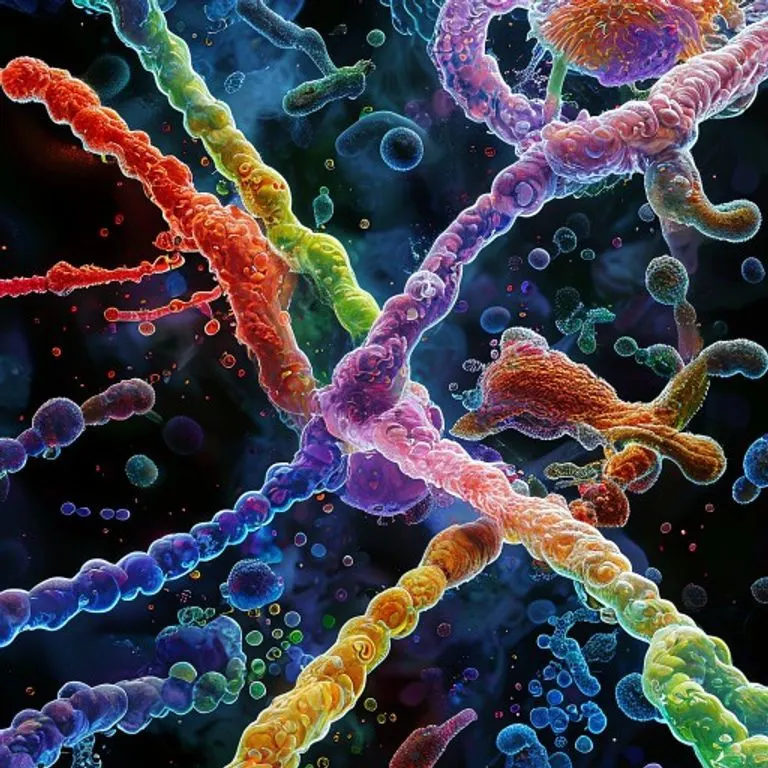
A detailed scientific illustration of a human karyotype, showcasing a highlighted chromosome with a visible aberration, crucial for understanding genetic disorders.
Table of Contents
- Understanding Chromosome Aberrations
- Types of Chromosome Aberrations
- Numerical Chromosome Aberrations (Aneuploidy)
- Structural Chromosome Aberrations
- Causes of Chromosome Aberrations
- Impact on Human Health and Development
- Diagnosis and Genetic Counseling
- Future Directions in Research and Therapy
Understanding Chromosome Aberrations
Chromosomes are thread-like structures located inside the nucleus of animal and plant cells. Each chromosome is made of protein and a single molecule of deoxyribonucleic acid (DNA). Passed from parents to offspring, DNA contains the specific instructions that make each type of living creature unique. Chromosome aberrations refer to any deviation from the normal number or structure of these vital genetic carriers.
These errors can arise spontaneously during critical cellular processes such as gametogenesis (the formation of gametes, i.e., sperm and egg cells) or during the early mitotic divisions of a zygote. Such dysfunctions or alterations become visible during metaphase of the cell cycle, a stage where chromosomes are highly condensed and easily observable under a microscope. The term "clastogenic process" describes an event that causes chromosome breakage and subsequent abnormal rearrangement.
Types of Chromosome Aberrations
Chromosome aberrations are broadly categorized into two main types: numerical abnormalities and structural abnormalities. Both categories can lead to significant health issues, depending on the specific chromosome involved and the extent of the alteration. A deeper understanding of these classifications is essential for accurate diagnosis and prognosis.
Numerical Chromosome Aberrations (Aneuploidy)
Numerical abnormalities involve a change in the total number of chromosomes, either an excess or a deficit. The most common form is aneuploidy, which refers to the presence of an abnormal number of chromosomes in a cell, such as having 45 or 47 chromosomes instead of the usual 46 in humans. This typically results from non-disjunction during meiosis or mitosis, where chromosomes fail to separate properly.
- Autosomal Aneuploidy: These affect non-sex chromosomes (autosomes).
- Trisomy: The presence of an extra copy of a chromosome (e.g., Trisomy 21 in Down syndrome, Trisomy 18 in Edwards syndrome, Trisomy 13 in Patau syndrome).
- Monosomy: The absence of one chromosome from a pair (e.g., Monosomy X in Turner syndrome, though this affects sex chromosomes, it's a numerical deficit). Autosomal monosomies are typically lethal.
- Sex Chromosome Aneuploidy: These affect the X or Y sex chromosomes.
- Klinefelter Syndrome (XXY): Individuals have an extra X chromosome.
- Turner Syndrome (X0): Individuals have only one X chromosome.
- Triple X Syndrome (XXX): Individuals have an extra X chromosome.
- XYY Syndrome: Individuals have an extra Y chromosome.
Structural Chromosome Aberrations
Structural aberrations involve changes in the physical structure of one or more chromosomes, rather than their number. These anomalies arise from chromosomal breaks or cuts, followed by abnormal rejoining or incomplete reconstruction. They can result in the rearrangement of genetic material within a chromosome or between different chromosomes.

A cinematic still life capturing the essence of genetic research, with a petri dish and scientific tools under soft lighting, highlighting the intricate study of cellular processes.
Structural aberrations are generally less frequent than numerical abnormalities. Statistics suggest that approximately 1 in 375 live births may present with some form of structural chromosomal disorder. These changes can be balanced or unbalanced, depending on whether the total amount of genetic material is altered.
- Deletions: A portion of a chromosome is missing or deleted. This can lead to conditions like Cri-du-chat syndrome (deletion on chromosome 5).
- Duplications: A portion of a chromosome is duplicated, resulting in extra genetic material.
- Inversions: A segment of a chromosome is reversed end to end. The chromosome breaks in two places, and the resulting piece of DNA is reversed and re-inserted.
- Translocations: A segment of one chromosome breaks off and attaches to another chromosome.
- Reciprocal Translocation: Two different chromosomes exchange segments.
- Robertsonian Translocation: Occurs when two acrocentric chromosomes (chromosomes with centromeres near one end) fuse near the centromere, losing their short arms. This can lead to familial Down syndrome.
- Insertions: A segment of one chromosome is removed and inserted into another chromosome.
- Ring Chromosomes: Occur when a chromosome breaks in two places and its ends fuse to form a ring.
Balanced vs. Unbalanced Structural Aberrations
The distinction between balanced and unbalanced structural aberrations is crucial for understanding their phenotypic impact.
- Balanced Structural Aberration: In this type of mutation, the total amount of genetic material remains the same; only its arrangement or structure changes. Individuals carrying balanced translocations or inversions are often phenotypically normal because they have a complete set of genetic information. However, they are at an increased risk of producing gametes with unbalanced chromosomal complements, which can lead to miscarriages or offspring with genetic disorders.
- Unbalanced Structural Aberration: Unlike balanced aberrations, these involve an increase or decrease in the amount of genetic material. This imbalance typically leads to significant clinical consequences, as the cell either has too much or too little of certain genes. Examples include deletions, duplications, and unbalanced translocations, which often result in developmental delays, intellectual disabilities, and various congenital anomalies.
Causes of Chromosome Aberrations
Chromosome aberrations can arise from a variety of factors, both internal and external. Understanding these causes is important for prevention strategies and for genetic counseling.
- Errors in Cell Division:
- Non-disjunction: The most common cause of numerical aberrations. It occurs when homologous chromosomes or sister chromatids fail to separate properly during meiosis I, meiosis II, or mitosis. This results in gametes or somatic cells with an abnormal number of chromosomes.
- Errors during Zygote Division: Problems during the first few mitotic divisions of the zygote can also lead to mosaicism, where an individual has two or more cell lines with different chromosomal compositions.
- Chromosomal Breaks and Rejoining: Structural aberrations often result from breaks in the DNA molecule that are then incorrectly repaired or rejoined. These breaks can be induced by various factors.
- External (Clastogenic) Factors: Environmental agents that can cause chromosomal damage are known as clastogens.
- Ionizing Radiation: X-rays, gamma rays, and other forms of radiation can break DNA strands, leading to structural rearrangements.
- Certain Chemicals: Exposure to specific chemicals (e.g., some chemotherapeutic agents, industrial pollutants) can induce chromosomal damage.
- Viruses: Some viruses are known to integrate into the host genome or induce chromosomal fragility, leading to aberrations.
- Transposons (Jumping Genes): These are DNA sequences that can change their position within the genome, sometimes creating or reversing mutations and altering the cell's genetic identity and genome size. First described by Barbara McClintock, transposons can cause structural aberrations by inserting themselves into genes or by promoting chromosomal rearrangements.
- Maternal Age: Advanced maternal age is a well-established risk factor for numerical chromosomal abnormalities, particularly trisomies, due to age-related changes in oocyte meiosis.
Impact on Human Health and Development
The consequences of chromosome aberrations vary widely, from being lethal in utero to causing mild phenotypic effects. The impact depends on the specific chromosome involved, the type and size of the aberration, and whether it is balanced or unbalanced.
A conceptual digital illustration depicting DNA strands undergoing fragmentation and incorrect reassembly, symbolizing the complex nature of genetic errors and their potential impact.
Unbalanced aberrations, which result in an excess or deficit of genetic material, are typically associated with more severe clinical outcomes. These can include:
- Developmental Delays: Affecting cognitive, motor, and social skills.
- Intellectual Disabilities: Ranging from mild to severe.
- Congenital Malformations: Physical abnormalities present at birth, affecting various organ systems (e.g., heart defects, facial dysmorphism).
- Increased Risk of Certain Diseases: Some aberrations are linked to a higher predisposition to specific cancers or other health conditions.
- Reproductive Issues: Individuals with balanced aberrations may experience recurrent miscarriages or infertility due to the production of unbalanced gametes.
The dissemination of these anomalies can be complete, affecting all cells in the body, or mosaic, affecting only a subset of cells. The severity of the phenotype often correlates with the proportion of affected cells in mosaic cases. This phenomenon highlights the intricate relationship between genetic makeup and phenotypic expression.
Diagnosis and Genetic Counseling
Diagnosing chromosome aberrations involves various cytogenetic and molecular techniques. These methods allow clinicians to visualize chromosomes, identify abnormalities, and provide accurate diagnoses.
| Technique | Description | Primary Use |
|---|---|---|
| Karyotyping | Microscopic analysis of stained chromosomes arranged by size and shape. | Detection of large numerical and structural aberrations. |
| FISH (Fluorescence In Situ Hybridization) | Uses fluorescent DNA probes to bind to specific chromosomal regions. | Detection of smaller deletions, duplications, and translocations not visible by karyotyping. |
| Array Comparative Genomic Hybridization (aCGH) | Compares patient DNA to reference DNA to detect submicroscopic gains or losses of chromosomal material. | High-resolution detection of copy number variations (CNVs). |
| Next-Generation Sequencing (NGS) | High-throughput DNA sequencing to detect a wide range of genetic variations, including some structural rearrangements. | Comprehensive genetic analysis, including point mutations and some larger aberrations. |
Genetic counseling is an indispensable service for individuals and families affected by or at risk of chromosome aberrations. Genetic counselors provide information about the nature of the condition, inheritance patterns, recurrence risks, and available testing options. They also offer emotional support and help families make informed decisions regarding family planning and medical management.
"The identification of chromosomal abnormalities is a cornerstone of modern medical genetics, providing crucial insights into the etiology of developmental disorders and reproductive challenges. Accurate diagnosis and comprehensive genetic counseling are paramount in guiding patient care and family planning."
- Excerpt from a hypothetical medical guideline on cytogenetic diagnostics.
Future Directions in Research and Therapy
Research into chromosome aberrations continues to evolve rapidly. Advances in genomic technologies, such as CRISPR-Cas9 gene editing, hold promise for correcting certain types of structural aberrations at the molecular level. However, the ethical implications and technical challenges of such interventions are significant and require careful consideration.
Further research focuses on understanding the precise mechanisms by which these aberrations arise and how they lead to specific phenotypes. This includes exploring the role of environmental factors, genetic predispositions, and the complex interplay between different genes. The ultimate goal is to develop more effective diagnostic tools, preventive strategies, and targeted therapies to improve the lives of individuals affected by chromosome aberrations.
The field of personalized medicine is also increasingly relevant, as genetic profiling allows for tailored treatments and interventions based on an individual's unique chromosomal makeup. As our understanding deepens, the ability to predict, prevent, and manage the impact of these genetic changes will undoubtedly continue to improve, offering new hope for affected families.
Fuente: Contenido híbrido asistido por IAs y supervisión editorial humana.
Comentarios