
National Disability Rating: Cardiovascular System Assessment | Althox
The Single National Disability Rating Manual, established by Decree 917 of 1999 in Colombia, serves as a fundamental framework for assessing the degree of permanent impairment in individuals across various organ systems. This comprehensive guide ensures a standardized, equitable, and scientifically informed approach to determining disability, which is crucial for social security, labor, and legal contexts. Its meticulous design aims to provide clear criteria, ensuring consistency and fairness in evaluations.
Official document representing Decree 917 of 1999, the cornerstone of disability rating in Colombia.
This article, the second part of a detailed analysis, delves specifically into Chapter VII of the manual, focusing on the cardiovascular system. Understanding these guidelines is vital for medical professionals, legal practitioners, and individuals seeking disability benefits, as it outlines the precise methodology for evaluating anatomical or functional abnormalities of the heart and blood vessels.
The evaluation process is complex, requiring a thorough understanding of both the medical condition and the legal framework. It emphasizes the importance of exhausting all therapeutic measures before a permanent impairment can be assessed, reflecting a commitment to rehabilitation and recovery prior to final disability determination. This ensures that the rating accurately reflects the long-term impact of a condition on an individual's functional capacity.
General Considerations for Cardiovascular Disability Assessment
The varying degrees of permanent impairment within the cardiovascular system stem from either anatomical or functional abnormalities. Chapter VII of Decree 917 defines the precise criteria and methods for determining the extent of permanent impairment in individuals diagnosed with cardiovascular disorders. This specific evaluation differs significantly from other organ systems due to the dynamic and often complex nature of cardiac and vascular conditions.
A crucial aspect of this assessment is the timing. Permanent impairment is only considered after all reasonable therapeutic, surgical, or rehabilitative measures have been exhausted. This also applies after a sufficient period following an acute episode, allowing for the natural progression of recovery or the development of compensatory mechanisms, such as collateral circulation after a coronary occlusion. For instance, a minimum observation period of six months is mandated before assessing permanent impairment after an acute myocardial infarction, with any earlier request being rejected.
If surgical intervention has been performed, the observation period extends to at least one year to fully evaluate the long-term outcomes and stability of the patient's condition. One of the inherent challenges in cardiovascular assessment is the frequent discrepancy between objective physical signs and subjective symptoms reported by the patient. A patient with chronic stable angina, for example, might present with a normal physical examination, including ECG and radiological tests, yet experience severe limitations due to chest pain.
To streamline the assessment process, the manual categorizes cardiovascular conditions into four main groups. This classification helps in systematically evaluating diverse presentations and ensuring that all relevant aspects of a patient's condition are considered. These groups provide a foundational structure for detailed analysis, preventing oversight in complex cases.
- Heart disease: Encompassing a wide range of conditions affecting the heart's structure and function.
- Hypertensive vascular disease: Focusing on the systemic effects of high blood pressure on various organs.
- Arterial vascular disease affecting the extremities: Addressing conditions impacting blood flow to the limbs.
- Diseases of the venous system: Covering disorders related to venous circulation.
In situations where clinical findings do not neatly fit into one of these defined groups, or if a patient presents with multiple conditions, the deficiency assessment must be combined. This ensures a holistic evaluation that accounts for the cumulative impact of various cardiovascular issues on an individual's overall functional capacity. The manual provides guidelines for combining these deficiencies, aiming for a comprehensive and accurate final rating.
Heart Diseases
The assessment of heart diseases for disability purposes relies heavily on a combination of patient history, physical examination, and objective diagnostic tests. While clinical signs are often present, confirmatory tests are essential to establish a definitive diagnosis and quantify the extent of cardiac damage. These diseases can be broadly categorized into acquired, ischemic, and congenital forms, each with specific evaluation considerations.
Myocardial lesions, particularly those stemming from hypertrophic cardiomyopathy and valvular stenosis, can lead to significant impairments. These include heart failure, syncope, effort intolerance, and rhythm disorders, even in the absence of obvious chamber enlargement on radiological studies. The manual emphasizes the importance of advanced imaging techniques to detect these subtle yet impactful changes.

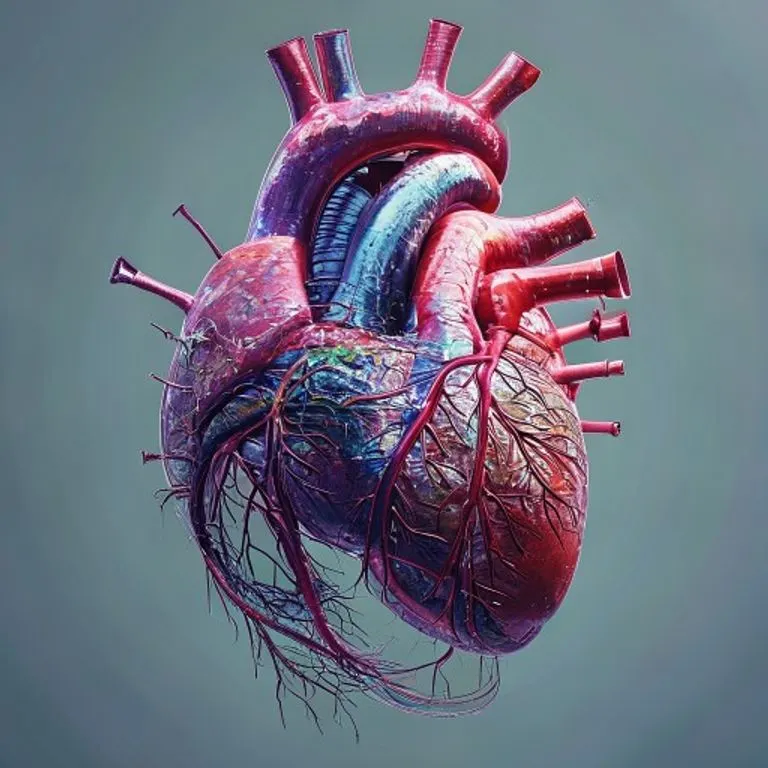
Visual representation of the intricate human heart and its vascular network.
Acquired Heart Disease
For acquired heart diseases, the electrocardiogram (ECG) and Doppler ultrasound are indispensable tools. These tests can reveal significant changes reflecting morphological abnormalities, such as wall thickening, and alterations in blood flow and valve function. A normal Doppler ultrasound, for instance, virtually rules out the presence of significant valvular disease in adults and hypertrophic cardiomyopathy, providing crucial diagnostic clarity.
Ischemic Myocardial Disease
Coronary artery disease is a leading cause of severe disability due to the debilitating nature of angina. This pain is classically described as crushing, burning, or a heavy sensation, typically located in the retrosternal region and triggered by exertion. Its characteristics, including triggers, type, intensity, location, duration, and response to nitrates or rest, must be meticulously documented for accurate assessment.
Pain radiating to the throat, jaw, shoulders, arms, or hands holds equal diagnostic significance as typical retrosternal pain. The presence of angina at rest, or an evolving pattern with decreased functional capacity, increased nitrate requirements, or new onset of functional capacity Class 3-4, suggests unstable angina. In such cases, disability assessment must be deferred until the diagnostic workup by the treating physician is complete and the patient's condition stabilizes.
It is important to note that many patients with chronic stable angina can transition to an unstable state when aggravating factors like anemia, thyroid disease, or intercurrent infections are present. These factors must be identified and addressed before a definitive disability rating can be established. The manual emphasizes a comprehensive approach to ensure all contributing elements are considered.
Congenital Heart Disease
The presence of congenital heart defects must be confirmed through physical signs and advanced diagnostic aids. These conditions can lead to various effects, including obstruction of ventricular outflow tracts (right or left), such as infundibular stenosis, which can cause capitulation of the respective ventricle. Other defects may result in an overload of the pulmonary circulation due to increased pulmonary flow from left-to-right shunts, potentially manifesting in adulthood.
The long-term implications of congenital heart disease, even if surgically corrected, require careful consideration. Residual defects, pulmonary hypertension, or arrhythmias can significantly impact functional capacity and warrant a thorough evaluation under the manual's guidelines. The assessment takes into account both the anatomical defect and its physiological consequences.
Criteria for Assessment of Global Impairment by Organic Heart Disease
Table No. 7.1 outlines the classification system for global impairment due to organic heart disease, categorizing patients into four classes based on their symptoms and functional limitations. Each class corresponds to a specific range of global deficit percentage, providing a standardized measure for disability rating. This table is a critical component for evaluating cardiac conditions.
| Class | Description of Criteria | Global Deficit (%) |
|---|---|---|
| I |
|
1.0-7.4 |
| II |
|
7.5-22.4 |
| III |
|
22.5-37.4 |
| IV |
|
37.5-49.5 |
Examples of Heart Diseases Causing a Class IV Deficiency include several severe and often refractory conditions. These examples illustrate the specific clinical scenarios that warrant the highest levels of impairment within the organic heart disease category. Understanding these specific conditions is key for accurate assessment.
- Rheumatic valve disease: Severe aortic lesions (stenosis or insufficiency) with a history of syncope, pulmonary edema, or heart failure, confirmed by Doppler echocardiography. Also, chronic and severe mitral stenosis or insufficiency.
- Cardiomyopathy: Particularly hypertrophic cardiomyopathy, with marked, persistent, and possibly progressive ventricular dilatation, especially in young individuals with arrhythmias, syncope, and a family history of sudden death.
- Pericardial conditions: Chronic constrictive pericarditis, treatable with surgery, but producing significant venous congestion.
- Ischemic myocardial angina: Chronic stable angina with poor prognosis and high risk (positive exercise test with ST depression ≥ 2.0 mm, significant pressure drop, dangerous arrhythmias, low cardiac output). Chronic angina with low functional capacity despite exhausted therapeutic measures. Angiography showing high-risk lesions or poor global ventricular function (ejection fraction ≥ 30%).
- Old myocardial infarction: Meeting conditions for angina or heart failure with congestion and dangerous arrhythmias.
- Persistent congestive heart failure: With hepatomegaly, pulmonary congestion, and peripheral edema on physical examination, despite adequate therapy. Persistent left ventricular hypertrophy or chronic pulmonary heart disease.
- Recurrent cardiac arrhythmias: Generated by digitalis, resulting in uncontrolled repeated episodes of cardiac syncope documented by Holter monitoring and refractory to treatment.
- Aneurysm of the aorta or major branches: With acute or chronic dissection not controlled by medical or surgical treatment, or associated with congestive heart failure, renal impairment, or fainting spells.
Hypertensive Vascular Disease
Hypertensive vascular disease, or high blood pressure, typically does not produce changes that warrant disability rating unless it causes severe anatomical damage to one or more of the "target organs." These critical organs include the heart, brain, kidneys, and eyes. Damage to these organs can lead to significant and permanent functional impairment, necessitating a detailed evaluation.
The assessment also considers sequelae of vascular changes in the central nervous system, limbs, or other organs resulting from hypertension. The criteria for evaluating damage from hypertensive cardiovascular disease are based on a comprehensive review of symptoms, physical signs, laboratory diagnostic aids, electrocardiograms, stress tests, echocardiography, and other specialized procedures. This multi-modal approach ensures a thorough understanding of the disease's impact.
Visualizing the impact of hypertension on the vascular system.
Global Impairment by Hypertension
Table No. 7.2 provides a classification for global impairment due to hypertension, detailing criteria based on diastolic pressure readings and the presence of additional signs of organ damage. This table is essential for quantifying the disability associated with chronic high blood pressure. Each class represents a progressive level of impairment, from asymptomatic to severe organ involvement.
| Class | Description of Criteria | Diastolic Pressure with Antihypertensive | Additional Signs | Global Deficit (%) |
|---|---|---|---|---|
| I | Asymptomatic patients | Repeatedly above 90 mmHg |
|
1.0-7.4 |
| II | Asymptomatic patients | Repeatedly above 90 mmHg |
|
7.5-22.4 |
| III | Asymptomatic patients | Clearly between 90 mmHg, frequent readings above 120 mmHg |
|
22.5-37.4 |
| IV | Clearly between 90 mmHg, frequent readings above 120 mmHg |
|
37.5-49.5 |
Vascular Disease Affecting Extremities
Vascular diseases affecting the limbs encompass conditions involving both the arterial and venous systems. The assessment of disability in these cases is multifaceted, considering three primary aspects to ensure a comprehensive and accurate rating. These aspects combine clinical observation with objective diagnostic findings and treatment outcomes, providing a holistic view of the patient's condition.
- Clinical severity: This involves evaluating the patient's symptoms, such as claudication, rest pain, and the presence of ulcers or tissue loss.
- Noninvasive findings: Utilizing techniques like duplex Doppler, segmental pressures, pulse volume recordings, flow and imaging studies, and ankle-brachial index (ABI). Contrast studies, such as angiography and venography, define the location and extent of obstruction, involved vessels, and distal perfusion.
- Medical and surgical treatment performed: The efficacy and outcomes of interventions, including revascularization procedures or amputations, are critically reviewed.
Deficiency Produced by Global Arterial Vascular Disease Affecting Extremities
Table No. 7.3 details the global deficit percentages for arterial vascular disease affecting the extremities, classified from Class I to V. This table provides a structured approach to evaluating the functional limitations imposed by these conditions, ranging from mild symptoms to severe tissue loss and amputation. The criteria are designed to capture the progressive nature of arterial insufficiency.
| Class | Description of Criteria | Global Deficit (%) |
|---|---|---|
| I |
|
0 |
| II | Disease or vascular disease with one or more of the following symptoms:
|
2.5 - 9.9 |
| III | Disease or vascular disease with one or more of the following symptoms:
|
10.0-22.4 |
| IV | Disease or vascular disease with one or more of the following symptoms:
|
22.5 - 37.4 |
| V | Disease or vascular disease with one or more of the following symptoms:
|
37.5 - 47.5 |
Examples of Arterial Vascular Diseases Causing a Disability Class IV or V highlight severe conditions requiring significant impairment ratings. These scenarios typically involve advanced disease progression, surgical complications, or extensive tissue loss. The manual provides these examples to guide evaluators in making consistent and appropriate disability determinations.
- Intermittent claudication: Without being able to visualize the common femoral artery or the deep femoral artery via limb arteriography.
- Claudication or absence of pulses: Femoral, popliteal, posterior tibial, or media pulses, or abnormal plethysmography/Doppler findings in an extremity.
- Amputation: At or above the hock (ankle) due to peripheral vascular disease.
- Failure of bypass surgery: Failure of peripheral arterial bypass surgery.
Amputation Due to Deficiency of Blood Diseases
Table No. 7.4 specifically addresses the global deficiency percentages associated with amputations resulting from blood diseases. This table differentiates between upper and lower extremity amputations, providing specific percentages based on the level of amputation. This is crucial for accurately rating the functional loss and subsequent disability caused by such severe interventions. The percentages reflect the profound impact of limb loss on an individual's life.
| Type | Global Deficit (%) |
|---|---|
| Upper Extremity | |
| Amputation of the fourth of the trunk | 35.0 |
| Dislocation of the shoulder | 30.0 |
| Amputation of arm above the deltoid insertion | 30.0 |
| Amputation of the arm between deltoid insertion and elbow joint | 27.5 |
| Elbow disarticulation | 27.5 |
| Forearm amputation below the elbow joint with insertion of the biceps tendon | 27.5 |
| Forearm amputation below the elbow | 27.0 |
| Disarticulation at the wrist | 27.0 |
| Midcarpal or mediometacarpal amputation of the hand | 27.0 |
| Amputation of all fingers except the thumb at the metacarpophalangeal joints | 16.0 |
| Amputation of thumb at the level of meta-carpo phalangeal joint or bone resection carpometa-carpal | 12.5 |
| At the interfalangeal joint | 7.5 |
| Lower Extremity | |
| Hemipelvectomy | 40.0 |
| Disarticulation at the hip joint | 35.0 |
| Amputation above the knee joint with small s... | ... |
The detailed criteria and tables provided within Chapter VII of Decree 917 of 1999 underscore the rigorous and systematic approach required for evaluating cardiovascular disabilities in Colombia. By standardizing the assessment of heart diseases, hypertensive conditions, and vascular impairments, the manual ensures fairness and consistency, ultimately supporting individuals in accessing the benefits and protections they are entitled to. This framework represents a critical tool for medical-legal professionals.
Fuente: Contenido híbrido asistido por IAs y supervisión editorial humana.


