
Digital Cards Virtual Collector: Future of Collectibles | Althox
The landscape of collecting is undergoing a profound transformation, moving from tangible artifacts to intangible digital assets. This shift is particularly evident in the realm of collectible cards, where virtual platforms are redefining how enthusiasts engage with their passions. The emergence of digital cards and virtual collector platforms represents not just a technological advancement, but a cultural evolution in the hobby world, appealing especially to a new generation accustomed to digital interaction.
This article delves into the innovative world of digital collectible cards, exploring their mechanics, social implications, and the future they herald for collectors worldwide. We will examine how companies like Totfan Games are pioneering this space, offering virtual albums and dynamic trading systems that cater to both seasoned collectors and "digital natives."
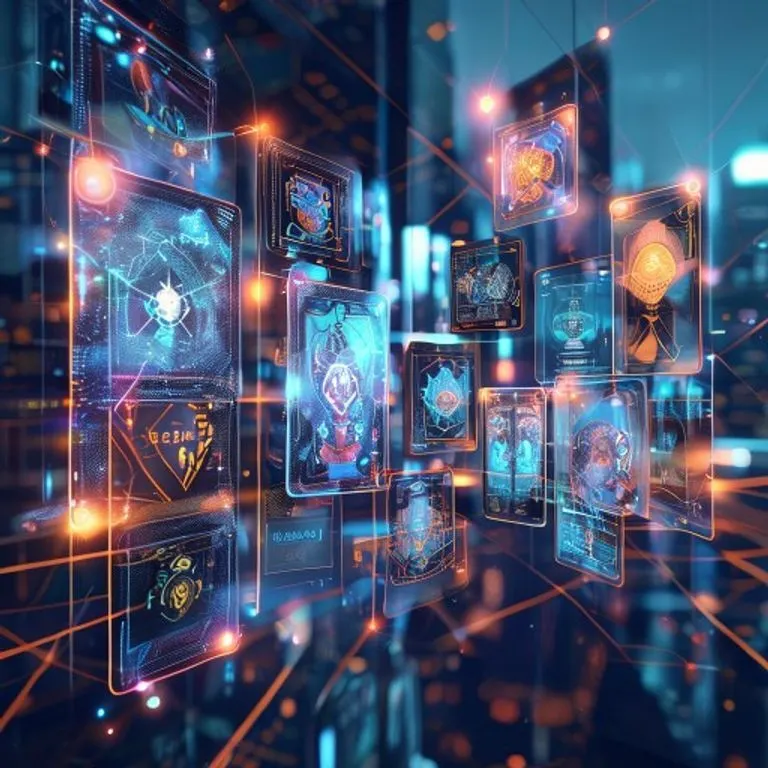
The digital revolution is transforming traditional collecting into a dynamic, interconnected virtual experience.
Introduction to Digital Collectibles and Virtual Albums
Digital collectible cards are virtual representations of traditional trading cards, existing purely in a digital format. Unlike their physical counterparts, these cards are stored and managed within online platforms or applications, offering unique advantages in terms of accessibility, storage, and interaction. The concept leverages the pervasive nature of digital technology to create a new form of engagement for collectors.
Companies like Totfan Games have been at the forefront of this innovation, developing virtual albums that replicate the joy of collecting while adding layers of digital functionality. These platforms allow users to acquire, organize, and display their collections without the physical constraints of space or the wear and tear associated with paper cards. The virtual album becomes a personal gallery, accessible from any device.
The Rise of Digital Natives and Collecting
A key demographic driving the adoption of digital collectibles is the "digital natives"—individuals who have grown up immersed in technology. For this generation, the tactile experience of physical cards may not hold the same nostalgic value as it does for older collectors. Instead, they are drawn to the convenience, interactivity, and social aspects inherent in digital platforms.
The appeal lies in seamless integration with their digital lifestyles, where smartphones and social networks are primary modes of interaction. Virtual cards offer an immediate and dynamic way to engage with hobbies, reflecting a broader trend towards digital consumption and ownership. This demographic shift necessitates new approaches to traditional pastimes.
Mechanics of Acquiring and Trading Digital Cards
The acquisition process for digital cards often mirrors that of physical ones, albeit with a digital twist. Users typically start by registering on a platform, often integrating with existing social media accounts like Facebook or Twitter. Upon registration, they might receive an initial set of free digital trading cards to kickstart their collection.
Subsequent card packs are usually obtained through micropayments. These small transactions, often processed via SMS or in-app purchases, allow collectors to buy packs of ten random cards, similar to tearing open traditional physical envelopes. This model ensures a continuous engagement loop, as collectors seek to complete their sets and discover rare items.
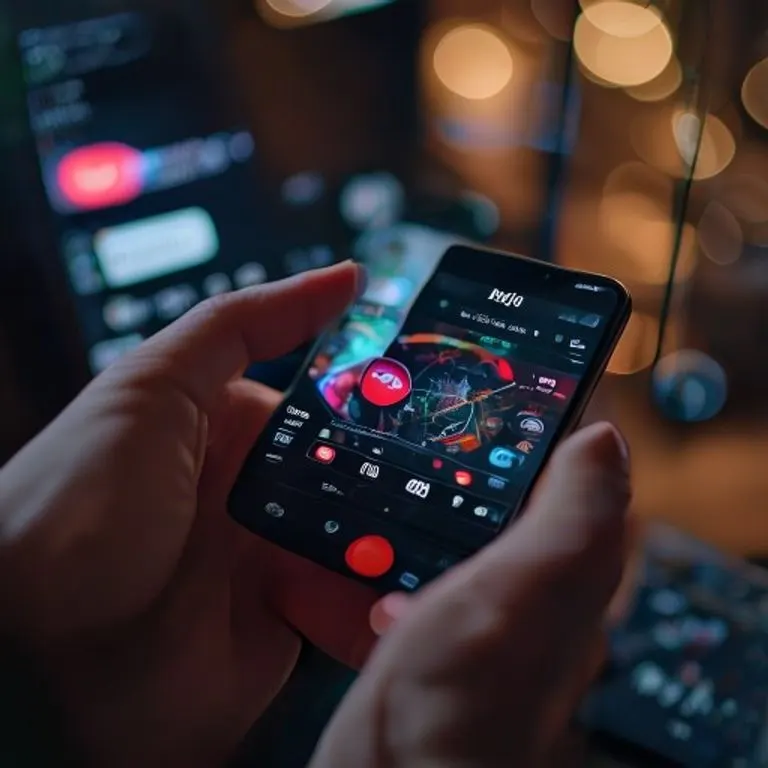
Virtual trading platforms enable collectors to exchange digital cards with peers, fostering a vibrant online community.
The trading aspect is where digital cards truly shine in their social dimension. If a collector receives a duplicate, they can initiate an online trade with other collectors. Platforms facilitate this by allowing users to send offers, specifying which cards they need and what they are willing to exchange. This offer can then be accepted, rejected, or countered, creating a dynamic marketplace of interaction.
This virtual exchange mechanism transforms collecting into a social game, connecting individuals with shared interests. Whether it's football, music, TV shows, or celebrities, the platform acts as a hub for community building. The ability to interact and negotiate with other collectors adds a layer of strategic engagement that enhances the overall experience.
Social Networking and Community Building
The integration of social networking features is a cornerstone of the digital card phenomenon. By linking accounts to platforms like Facebook or Twitter, collectors can easily find friends, share their progress, and engage in trading activities. This social layer elevates the hobby beyond solitary collection, fostering a sense of camaraderie and competition.
Totfan Games, for example, explicitly designed its platform to "make friends through social networking." This focus on community allows users to connect with like-minded individuals, discuss strategies, celebrate achievements, and even form virtual collecting clubs. The social game aspect is a powerful driver for sustained engagement and user retention.
Diversification of Collections and Partnerships
The potential for diversification in digital card collections is vast, far exceeding the limitations of physical releases. While traditional collections might focus on specific sports or themes, virtual platforms can rapidly adapt to a multitude of interests. This includes football, music, television shows, celebrities, and various entertainment franchises.
Companies actively seek partnerships to expand their offerings. Totfan Games, for instance, secured a preliminary agreement with a top-division Spanish football team for their inaugural collection. They are also in negotiations with broadcasters, artists, and bands to create diverse series, ensuring a broad appeal to different fan bases. This strategic expansion is crucial for capturing a wide audience.
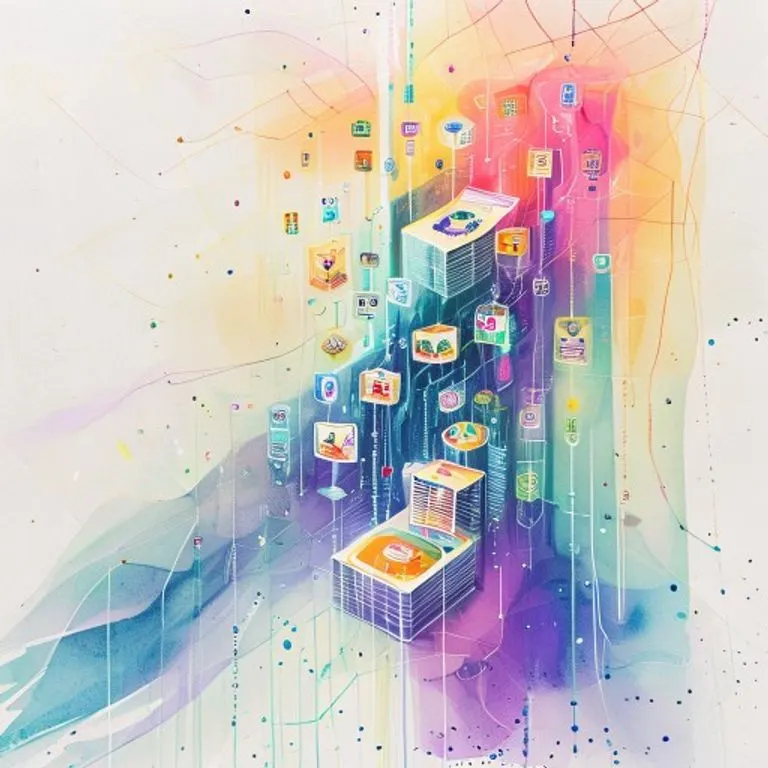
Micropayments facilitate the acquisition of new digital card packs, making the hobby accessible and engaging.
Bridging the Gap: Digital Immigrants and Physical Manifestations
While "digital natives" readily embrace virtual collecting, there's also a significant segment of "digital immigrants"—those who grew up with physical collections and still appreciate the tangible. Companies are mindful of this demographic and often provide options to bridge the gap between virtual and physical.
For instance, once a virtual album is completed, collectors might have the option to print their entire collection on paper for an additional cost. This allows them to have a physical manifestation of their digital achievement, catering to the desire for a tangible keepsake. Alternatively, a PDF version might be made available, offering a digital-physical hybrid.
Technological Infrastructure and Future Development
The success of digital collectible platforms hinges on robust technological infrastructure. This includes web platforms and mobile applications designed for various operating systems. Initially, a platform might launch with web and iOS compatibility, with plans to expand to Android and other mobile ecosystems as development progresses.
The continuous evolution of mobile technology and internet connectivity fuels the growth of these digital hobbies. Investment in development and funding rounds are crucial for scaling operations, improving user experience, and expanding features. Companies often seek a mix of private and public capital to support their ambitious growth plans, as demonstrated by early funding rounds in the sector.
Impact on Traditional Collecting and the Future
The rise of digital collectible cards inevitably raises questions about the future of traditional physical collecting. While some purists may view digital as an "anathema," the trend suggests a parallel evolution rather than outright replacement. Digital platforms offer a complementary experience, especially for younger generations.
The convenience, global reach, and interactive nature of virtual collecting are powerful draws. It allows for instant gratification, easy trading, and a dynamic social environment that physical collections cannot always match. However, the sentimental value and tangible artistry of physical cards will likely endure, creating a dual market for collectors.
The future of collecting appears to be a hybrid one, where digital and physical forms coexist and even influence each other. Digital cards might introduce new enthusiasts to the broader world of collecting, potentially leading them to explore physical items down the line. This innovation ensures that the joy of collecting remains vibrant and accessible to all.
Source: Hybrid content assisted by AIs and human editorial supervision.